


TL;DR
Not all smart drugs are safe to take at night. Stimulants disrupt rest, leaving you with brain fog and low energy the next day. The better choice is sleep-safe nootropics like L-theanine for sleep, ashwagandha, bacopa, and magnesium. These non-stimulant nootropics calm the nervous system, regulate stress, and support overnight brain recovery.
Understanding Nootropics for Sleep: What Are They?
Nootropics are natural or synthetic compounds that support memory, focus, and brain function. While many people associate them with daytime productivity, there’s a growing focus on non-stimulant nootropics that can be safely taken at night.
Unlike stimulants, which keep the brain “switched on,” these sleep supplements support calmness, reduce stress, and allow the brain to recharge.
Benefits of Using Nootropics at Night
Research shows several benefits of nighttime nootropics:
-
Deeper, restorative sleep → Supports memory consolidation and hormone balance.
-
Reduced stress → Adaptogens regulate cortisol, lowering evening anxiety.
-
Better mornings → Less brain fog and reduced dependence on caffeine.
Sustainable focus → Long-term support for both productivity and recovery.

Common Nootropics for Sleep
-
L-Theanine for Sleep – Calms brain activity by increasing alpha waves. It balances focus by day and supports recovery at night.
-
Ashwagandha – An adaptogen that regulates cortisol and promotes calm.
-
Bacopa Monnieri – Traditionally used for memory; reduces mental chatter and acts as a natural brain fog supplement.
-
Magnesium – Supports relaxation and quality sleep cycles.
-
Melatonin – The most popular sleep supplement, best for short-term circadian support.
How to Use Nootropics Safely at Night
-
Take 30–60 minutes before bed.
-
Avoid mixing with stimulants late in the day.
-
Stick to recommended dosages.
-
Use consistently — natural supplements for focus and sleep often work best with routine.
Potential Side Effects of Nootropics for Sleep
While generally safe, some people experience:
-
Morning drowsiness if dosed too high.
-
Digestive discomfort.
-
Interactions with medications.
If you already use an insomnia supplement, consult a professional before stacking.
The Role of Melatonin
Melatonin is often the first sleep enhancer people try. It helps reset circadian rhythms, especially after travel or shift work. But it doesn’t address root causes like stress or cortisol imbalance. That’s why many adults combine melatonin with non-stimulant nootropics like L-theanine for sleep or ashwagandha for more sustainable results.
Smart Drugs vs Traditional Sleep Aids
-
Smart Drugs / Nootropics
-
Plant-based or amino acid-derived.
-
Support neurotransmitters and stress balance.
-
Low risk of dependency.
-
Examples: bacopa, magnesium, L-theanine for sleep.
-
Traditional Sleep Aids
-
Pharmaceuticals (e.g., benzodiazepines, Z-drugs).
-
Fast-acting but may impair REM cycles.
-
High risk of tolerance or dependency.
User Experiences with Sleep Safe Nootropics
Adults using non-stimulant nootropics often report:
-
Falling asleep faster with L-theanine for sleep.
-
Reduced nighttime stress with ashwagandha.
-
Waking up clearer with magnesium or bacopa.
-
Needing less caffeine the next morning.
Day vs Night Nootropics: Quick Comparison Table
|
Time of Use |
Best Nootropics |
Main Benefits |
Notes |
|
Daytime |
L-Tyrosine, Alpha GPC, Nitrosigine, Matcha |
Improves focus, supports productivity, boosts motivation |
Used in Bright Mind to provide clarity without overstimulation |
|
Nighttime |
L-theanine for sleep, Ashwagandha, Bacopa, Magnesium, Melatonin |
Reduces stress, promotes calm, improves sleep cycles |
Take 30–60 minutes before bed; safe as sleep supplements |
Final Takeaway
What you take at night shapes how you feel the next day. Instead of relying on heavy stimulants late in the evening, focusing on calming, non-stimulant options helps your brain transition into recovery mode more naturally.
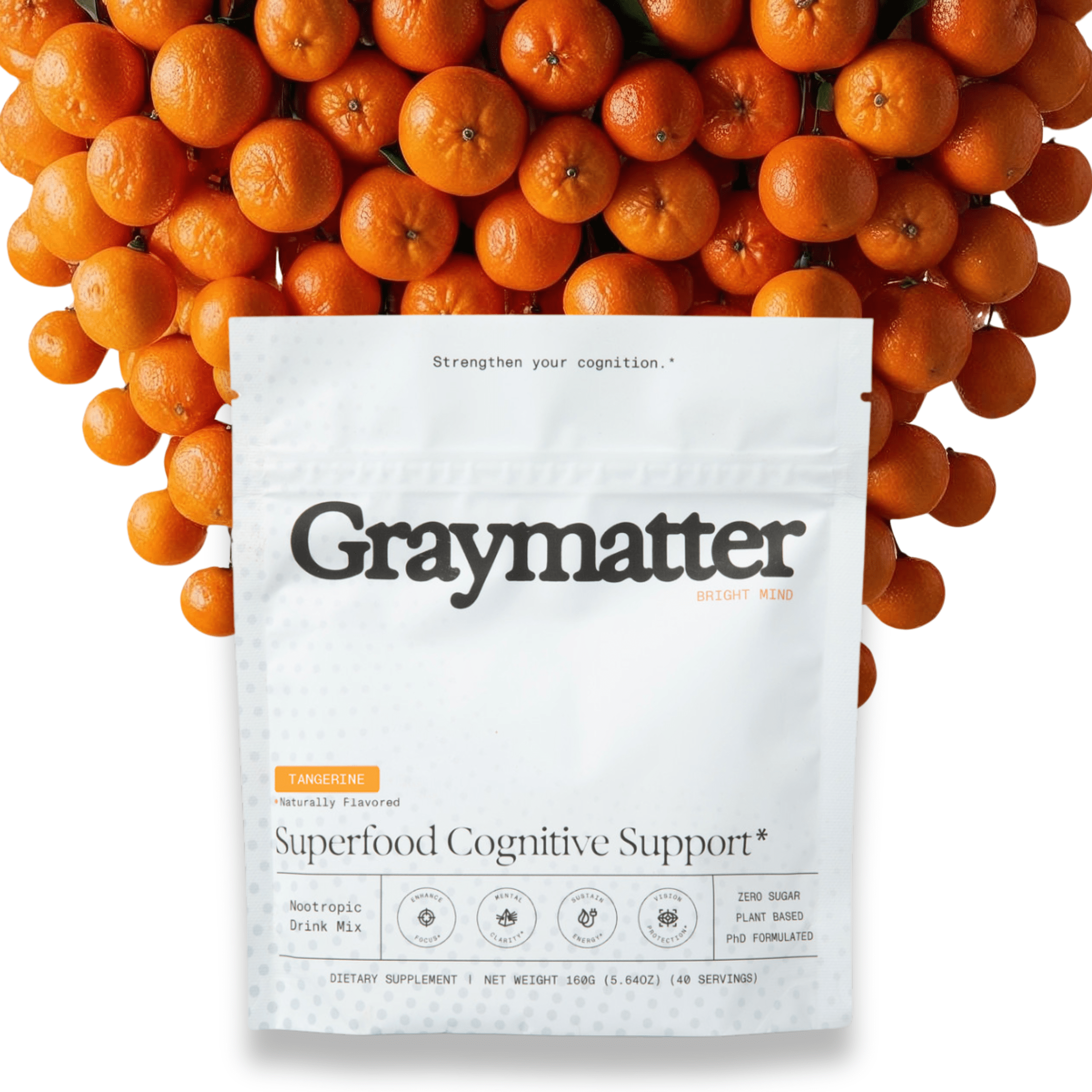
A steady routine makes the biggest difference here. Simple habits like winding down properly, limiting late caffeine, and supporting your system with the right inputs can improve both sleep and next-day performance. Graymatter Bright Mind can sit comfortably as part of the daytime side of the routine, helping maintain clarity and balance without interfering with how your nights reset and restore.
-
PubMed. Comparative efficacy of Adderall and other stimulants. (2002). https://pubmed.ncbi.nlm.nih.gov/12352269/
-
NCBI Bookshelf. Cognitive enhancers overview. https://www.ncbi.nlm.nih.gov/books/NBK69423/
-
ScienceDirect. Youth cognitive function and supplements. https://www.sciencedirect.com/science/article/pii/S0890856724003046
-
Taylor & Francis Online. Nootropics in psychiatry. https://www.tandfonline.com/doi/full/10.1080/14737175.2024.2321921
-
The Lancet Psychiatry. Long-term stimulant effects. https://www.thelancet.com/journals/lanpsy/article/PIIS2215-0366(18)30269-4/fulltext
-
Psychopharmacology Journal. Comparative stimulant trials. https://journals.lww.com/psychopharmacology/fulltext/2002/10000/comparative_efficacy_of_adderall_and.5.aspx
-
IJNP. Nootropics and neurotransmitter regulation. https://academic.oup.com/ijnp/article-pdf/5/2/121/2029657/5-2-121.pdf
FAQs
What are the best nootropics for sleep support?
The best nootropics are L-theanine for sleep, ashwagandha, bacopa, and magnesium. These non-stimulant nootropics calm the mind and promote deeper rest.
Can supplements improve mental clarity overnight?
Yes. Natural brain fog supplements like bacopa and magnesium improve recovery overnight, helping you wake up more focused and alert.
Which smart drugs are safe at night?
The safest options are non-stimulant nootropics such as L-Theanine, ashwagandha, and melatonin. These act as gentle sleep supplements without disrupting REM sleep.
Does L-theanine promote better sleep naturally?
Yes. L-theanine for sleep increases alpha brain waves, reduces anxiety, and improves sleep quality without morning grogginess.
Are there brain fog supplements you can take before bed?
Yes. Bacopa, magnesium, and ashwagandha are effective brain fog supplements that clear mental fatigue and help you sleep better.
Compliance note: Graymatter Bright Mind is a dietary supplement that supports focus and cognitive function; not intended to diagnose, treat, or cure any medical condition. Please consult a healthcare provider regarding any treatment plan.
Leave a comment