


Your brain cells are only as good as the membranes that protect them. Every signal between neurons, every memory formed, every moment of sustained attention depends on healthy cell membranes doing the job well. And one of the key building blocks of those membranes is a fatty substance most people have never heard of: phosphatidylserine.
As we age, phosphatidylserine levels naturally decline, which may affect memory, focus, and mental clarity. Here's what to know about this brain-supporting nutrient and its potential benefits.
What Is Phosphatidylserine?
Phosphatidylserine is a phospholipid, a type of fat that contains phosphorus. PS sits within the membrane of every cell in your body, but the brain hogs most of the supply. Around 15% of the brain's total phospholipid pool is made up of PS.
What does PS actually do there? One job: keeping cell membranes fluid, flexible, and capable of fast signaling. When membranes are in good shape, neurons talk to each other efficiently. When PS levels drop, and the levels do drop naturally with age, that communication gets sluggish.
What Does Phosphatidylserine Do for the Brain?
Phosphatidylserine benefits center around membrane health, but the downstream effects touch several areas of cognitive function:
- Neurotransmitter release: PS supports the release of acetylcholine, dopamine, and serotonin, all critical for memory, mood, and focus
- Signal transmission: Healthy membranes allow electrical and chemical signals to pass between neurons with less resistance
- Cortisol regulation: PS may help modulate cortisol levels, reducing the cognitive impact of chronic stress
- Memory formation: PS supports both the encoding of new memories and the retrieval of stored information
- Cell maintenance: PS participates in clearing damaged cells through a process called apoptosis, helping the brain stay clean and efficient
For anyone wondering "what does phosphatidylserine do" in practical terms: the compound helps your brain cells work the way healthy brain cells are supposed to work, especially under conditions of aging, stress, or sustained mental demand.
Why PS Levels Decline with Age
Your body makes phosphatidylserine on its own, but production slows down as you get older. Dietary intake tends to fall short, too, since the richest sources (organ meats, fish, soybeans) are not exactly everyday staples for most people.
The National Institute on Aging estimates that over 7 million Americans aged 65 and older are currently living with Alzheimer's, a condition linked to deteriorating brain cell membrane health and declining neurotransmitter function [1]. Even well before that stage, dropping PS levels can show up as brain fog, slower recall, trouble concentrating, and that frustrating sense that your mental clarity just is not what you had a few years back.
Supplementing with PS is one straightforward way to support the structural foundation your brain depends on.
Phosphatidylserine Dosage: How Much to Take
Most clinical research on phosphatidylserine uses doses between 100 and 300 mg per day.
|
Goal |
Suggested Daily Dose |
|
General cognitive support |
100 to 200 mg |
|
Memory and focus support |
200 to 300 mg |
|
Stress-related cognitive concerns |
200 to 300 mg |
|
Sleep support (evening use) |
100 to 200 mg |
A phosphatidylserine dosage of 100 mg taken two to three times daily is the most commonly studied protocol. PS can be taken with or without food, though taking the supplement with a meal may improve absorption.
Side Effects and Safety
Phosphatidylserine is well tolerated at recommended doses. Possible side effects are uncommon and typically mild:
- Upset stomach or gas
- Occasional insomnia (especially at higher doses taken late in the day)
- Headache in rare cases
PS may interact with anticholinergic medications and blood thinners. Anyone on prescription medications should consult a healthcare provider before starting supplementation. People with shellfish allergies should opt for sunflower-derived PS.
More Than Just a Membrane Builder
Phosphatidylserine plays a quiet but critical role in how well your brain performs every day. The compound supports cognitive function at the most fundamental structural level, keeping cell membranes healthy so that everything built on top of them, memory, focus, mood, stress resilience, can function properly.
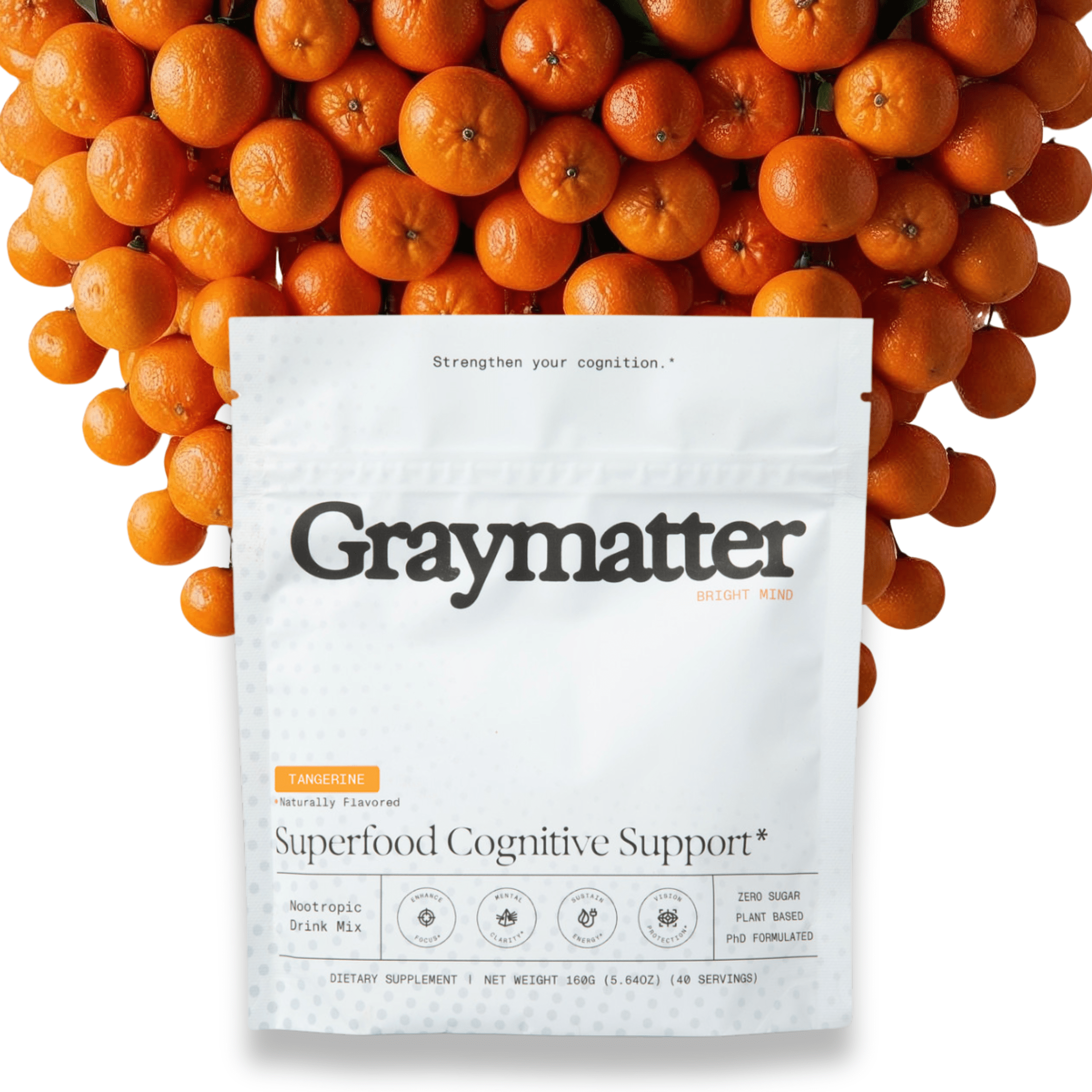
When daily cognitive performance matters, a single ingredient rarely tells the whole story. Graymatter Bright Mind brings together 27 plant-based ingredients across four functional blends, including nootropics, adaptogens, and energy-supporting compounds, all in one daily drink mix. No crashes, no jitters, just calm, sustained focus.
Compliance note: Graymatter Bright Mind is a dietary supplement that supports focus and cognitive function; not intended to diagnose, treat, or cure any medical condition. Please consult a healthcare provider regarding any treatment plan.
FAQs
What does phosphatidylserine do for the brain?
PS supports brain cell membrane health, enabling efficient neurotransmitter release and signal transmission. The compound may also help regulate cortisol and support memory formation over time.
How long does phosphatidylserine take to work?
Most people notice subtle improvements in focus and recall within 2 to 4 weeks of consistent daily use. More significant cognitive benefits typically emerge after 8 to 12 weeks.
What are the side effects of phosphatidylserine?
Side effects are uncommon and usually mild, including occasional stomach discomfort, gas, or insomnia at higher doses. Consulting a healthcare provider before starting is always recommended.
How much phosphatidylserine should I take daily?
A daily phosphatidylserine dosage of 100 to 300 mg is the most commonly studied range. Splitting the dose across two to three servings with meals may improve absorption.
Can phosphatidylserine help with stress?
PS may help modulate cortisol levels, reducing the cognitive toll of chronic stress. Some users report feeling calmer and more focused during high-pressure periods with consistent use.
Is phosphatidylserine safe to take long-term?
PS derived from soy or sunflower is considered safe for ongoing use at recommended doses. The FDA has recognized plant-based PS as generally safe (GRAS) for dietary supplementation.
[1] U.S. Food and Drug Administration. "Qualified Health Claims: Letters of Enforcement Discretion." FDA, 2003. https://www.fda.gov/food/nutrition-food-labeling-and-critical-foods/qualified-health-claims-letters-enforcement-discretion
Leave a comment