


Omega-3 fatty acids show up in nearly every conversation about brain health, and for good reason. Among all the nutrients linked to cognitive function, omega-3s, especially DHA, stand out because of how directly involved the fatty acid is in the structure and signaling of brain cells.
But knowing that omega-3 fatty acids and brain health are connected still leaves a practical question unanswered: how much DHA do you actually need? And does omega-3 help with memory in a meaningful way, or is the benefit overstated? Read along to find out.
What Are Omega-3 Fatty Acids and Why Does the Brain Need Them?
Omega-3s are a group of polyunsaturated fats that your body cannot produce on its own. You have to get omega-3 fatty acids through food or supplementation.
The three main types are:
- ALA (alpha-linolenic acid): Found in flaxseed, chia seeds, and walnuts. The body converts a small fraction of ALA into EPA and DHA, but conversion rates tend to stay below 10%.
- EPA (eicosapentaenoic acid): Found in fatty fish like salmon, mackerel, and sardines. EPA plays a role in managing inflammation throughout the body, including the brain.
- DHA (docosahexaenoic acid): Also found in fatty fish and algae. DHA makes up a significant portion of the brain's cell membranes and supports communication between neurons.
When people talk about omega-3 fatty acids' memory benefits, DHA tends to get the most attention. The fatty acid is heavily concentrated in the brain and plays a direct role in maintaining membrane fluidity, supporting neurotransmitter signaling, and promoting neuroplasticity.
How Does DHA Support Memory and Cognitive Performance?
DHA is not just passively present in the brain. The fatty acid actively contributes to multiple processes that influence mental clarity and recall.
- Cell membrane integrity: Brain cells rely on flexible, fluid membranes to send and receive signals efficiently. DHA helps maintain that fluidity, which may influence how quickly and accurately the brain processes information.
- Neurotransmitter function: Adequate DHA levels may support the release and reception of key neurotransmitters involved in memory and mood regulation.
- Neuroprotection: DHA-derived compounds called neuroprotectins and resolvins may help manage inflammation in the brain, potentially slowing age-related cognitive function decline.
- Cerebral blood flow: Some evidence points to DHA supporting healthy blood flow to the brain, which is essential for delivering oxygen and glucose during demanding mental tasks.
How Much DHA Do You Actually Need?
The answer depends on who you ask, but general guidance tends to cluster around a few key ranges.
|
Purpose |
Suggested Daily Intake (EPA + DHA) |
|
General health maintenance |
250 to 500 mg |
|
Cognitive support and brain health |
1,000 to 2,000 mg |
|
Mood and emotional well-being |
1,000 to 2,000 mg (higher EPA ratio) |
|
FDA-recognized safe upper limit |
Up to 3,000 mg |
According to the NIH Office of Dietary Supplements, only about 7.8% of U.S. adults use omega-3 supplements, and most Americans consume well under the recommended servings of seafood per week [1]. That gap means a large portion of the population may not be getting enough DHA to meaningfully support brain fog reduction or long-term cognitive health.
DHA vs EPA: Which One Matters More for the Brain?
Both matter, but in different ways.
- DHA is the structural powerhouse. The fatty acid is the most abundant omega-3 in the brain and is critical for maintaining healthy neural architecture. For memory and general cognitive performance, DHA tends to be the more relevant of the two.
- EPA, on the other hand, may play a stronger role in mood regulation and managing neuroinflammation. For emotional well-being and stress resilience, EPA-rich formulations may be more effective.
A well-rounded approach to omega-3 fatty acids and brain health includes both DHA and EPA. Choosing a supplement with a higher DHA ratio may make sense for nootropic-focused goals, while a higher EPA ratio may suit those prioritizing mood support.
Best Sources of DHA
Getting DHA from whole foods is ideal, but supplementation can fill the gap when dietary intake falls short.
- Fatty fish: Salmon, mackerel, sardines, herring, and anchovies are among the richest sources of both DHA and EPA
- Algae-based supplements: A plant-based alternative that provides DHA directly, making algae oil a strong option for anyone avoiding fish
- Fortified foods: Some eggs, yogurts, and milk products are fortified with small amounts of DHA
- Fish oil and krill oil supplements: Widely available and typically provide a mix of DHA and EPA in a single capsule
When choosing a supplement, check the label for the actual DHA and EPA content per serving, not just the total fish oil amount. Reading labels carefully can make a real difference in whether you are getting enough to support mental focus over time.
Final Takeaway
Omega-3 fatty acids, especially DHA, play an important role in supporting focus, memory, and long-term brain health. Getting enough through diet alone can be difficult, which is why supplementation and nutrient-rich daily habits matter.
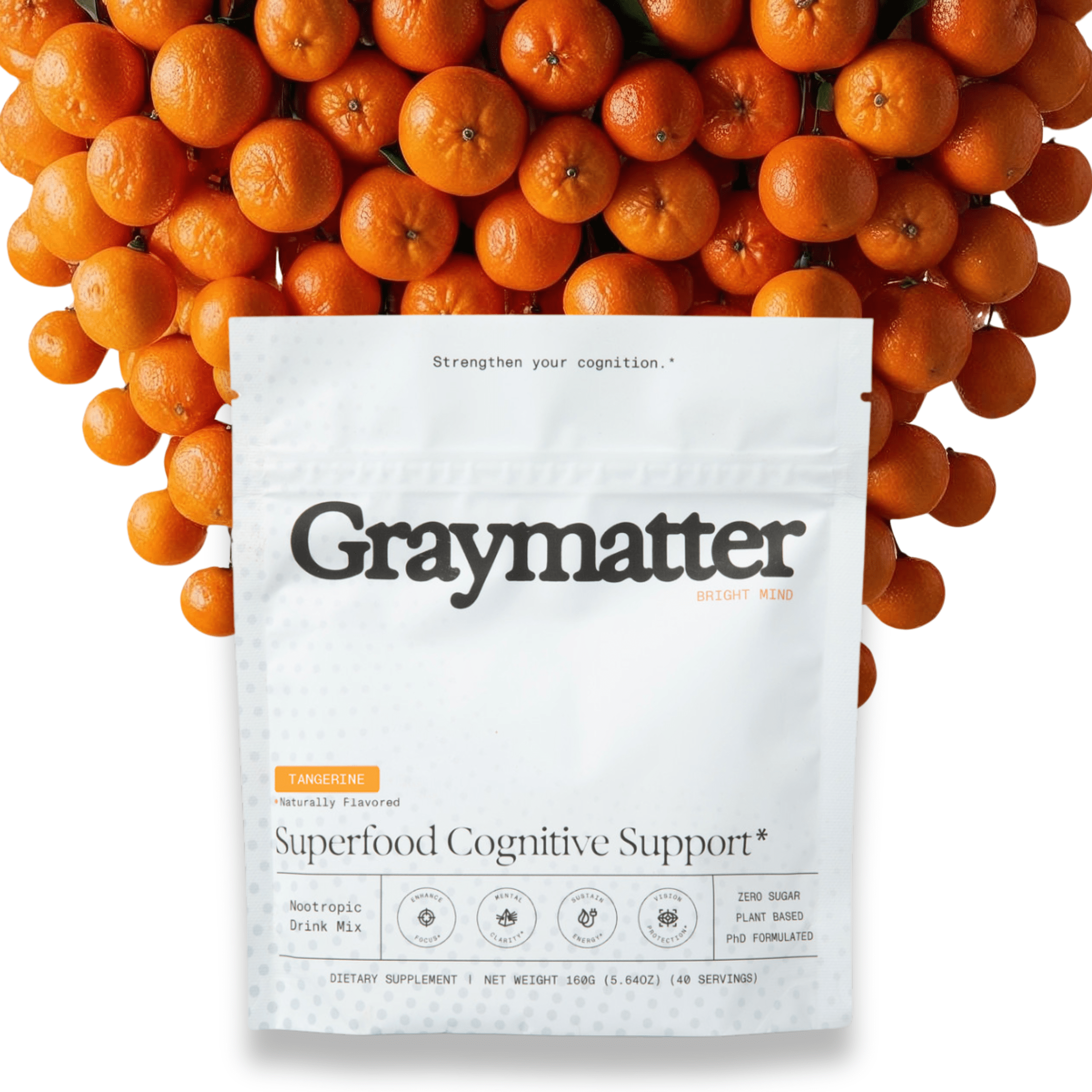
For a broader approach to daily cognitive function support, Graymatter Bright Mind combines plant-based nootropics, adaptogens, and energy-supporting ingredients in one daily drink mix, designed to promote calm, sustained focus throughout the day.
Compliance note: Graymatter Bright Mind is a dietary supplement that supports focus and cognitive function; not intended to diagnose, treat, or cure any medical condition. Please consult a healthcare provider regarding any treatment plan.
FAQs
Does omega-3 actually improve memory?
Omega-3s, particularly DHA, may support memory function, especially in individuals experiencing mild age-related cognitive decline. Results can vary based on baseline intake levels and duration of use.
How much DHA do you need for brain health?
Most nutrition guidelines suggest 500 to 1,000 mg of DHA per day for cognitive support, ideally combined with EPA for a total omega-3 intake of 1,000 to 2,000 mg daily.
Which omega-3 is best for brain function?
DHA is considered the most important omega-3 for brain structure and function, as the fatty acid makes up a significant portion of brain cell membranes and supports neural signaling.
Is DHA or EPA better for the brain?
DHA is more directly involved in brain structure and memory, while EPA may play a stronger role in mood regulation and reducing neuroinflammation. Both work well together.
How long does it take omega-3 to improve memory?
Potential cognitive benefits can be seen after 12 to 24 weeks of consistent supplementation, though individual results may vary depending on dosage, diet, and baseline omega-3 levels.
Are there risks to taking too much omega-3?
The FDA considers up to 3,000 mg of combined EPA and DHA per day as safe. Higher doses may increase bleeding risk in some individuals, so consulting a healthcare provider is recommended.
Leave a comment