


The nootropic market is growing fast, and with that growth comes a question most people eventually run into: Should you go natural or synthetic?
Both categories claim to support cognitive performance, but the way each one works, the risk profile, and the long-term outlook are very different. And when you're putting something into your body every day, the difference between natural and synthetic nootropics matters more than most marketing will tell you.
Here's a clear breakdown of what each category includes, how the two compare, and what actually tends to work.
What Are Natural Nootropics?
Natural nootropics are compounds derived from plants, herbs, fungi, and amino acids. Many of the ingredients in the natural category have been used in traditional medicine for centuries and now have peer-reviewed support for mental clarity and cognitive function.
Common natural nootropics include:
- Lion's Mane Mushroom – may support nerve growth factor (NGF) production and neuroplasticity
- Bacopa Monnieri – associated with memory support and reduced mental fatigue
- Rhodiola Rosea – an adaptogen that may help the body manage stress and sustain mental energy
- L-Theanine – an amino acid found in tea that promotes calm, focused attention
- Alpha GPC – a choline source that supports acetylcholine production for memory and learning
- Korean Matcha and Guarana – plant-based sources of caffeine that provide sustained, clean energy
Natural nootropics tend to work more gradually, building effects over consistent daily use rather than delivering an immediate, intense spike.
What Are Synthetic Nootropics?
Synthetic nootropics are lab-created compounds designed to target specific cognitive pathways. Some are available over the counter (like racetams), while others require a prescription (like modafinil or amphetamine-based stimulants).
Common synthetic nootropics include:
- Modafinil – a prescription wakefulness agent used for narcolepsy and shift-work sleep disorder
- Piracetam – one of the original synthetic nootropics, designed to support memory
- Amphetamine-based stimulants – prescription medications classified as DEA Schedule II substances, prescribed for clinical conditions like ADHD
Synthetic options often produce more noticeable short-term effects but carry a higher risk of side effects, dependency, and long-term unknowns.
Natural vs Synthetic Nootropics: A Direct Comparison
According to the CDC's National Center for Health Statistics, over 60% of U.S. adults reported taking a dietary supplement, a number that continues to rise across all age groups [1].
As more people look beyond prescriptions for daily cognitive support, the distinction between natural and synthetic options becomes more relevant.
|
Factor |
Natural Nootropics |
Synthetic Nootropics |
|
Source |
Plants, fungi, amino acids |
Lab-created compounds |
|
Onset |
Gradual, builds over days/weeks |
Often noticeable within hours |
|
Side effect profile |
Generally mild (headaches, mild GI) |
May include insomnia, mood changes, appetite loss |
|
Dependency risk |
Low when used as directed |
Higher, especially with prescription stimulants |
|
Long-term safety data |
Centuries of traditional use; growing peer-reviewed support |
Limited long-term data for most compounds |
|
Availability |
Over the counter, no prescription needed |
Some OTC; many require a prescription |
|
Neuroprotective potential |
Many natural compounds may support long-term brain health |
Limited evidence of neuroprotective effects |
|
Regulation |
Sold as dietary supplements under FDA oversight |
Prescription options regulated as controlled substances |
Which Nootropics Actually Work?
Both natural and synthetic nootropics can be effective, but they serve different purposes.
- Natural nootropics are generally used for daily support of focus, memory, mental clarity, and stress resilience. Their effects tend to build gradually and are often better suited for long-term use.
- Synthetic nootropics are designed to target specific cognitive pathways and may produce more noticeable short-term effects. Some, such as modafinil, are prescription medications intended for specific medical conditions rather than everyday cognitive support.
For most healthy adults, natural nootropics offer a more sustainable approach to supporting cognitive performance, while synthetic options are typically best reserved for clinical use under professional guidance.
What About Safety?
Natural nootropics, when sourced from reputable manufacturers and used at recommended doses, are generally well-tolerated. Side effects tend to be mild and infrequent.
Synthetic nootropics carry more variability. Prescription options like modafinil and amphetamine-based medications can be effective for diagnosed conditions but come with known risks, including sleep disruption, appetite changes, mood shifts, and potential for dependency.
A few principles for safer nootropic use:
- Choose products with transparent labeling and clearly listed doses
- Look for formulations with a PhD or expert involvement in the development process
- Avoid vague "proprietary blends" that hide ingredient amounts
- Start at recommended doses and pay attention to how your body responds
- Consult a healthcare provider before combining cognitive performance supplements with prescription medications
The Bottom Line
Natural nootropics and synthetic nootropics serve different purposes. For everyday cognitive support, the natural category offers a safer, more sustainable approach with a growing body of evidence and centuries of traditional use behind the ingredients. Synthetic options have a role in clinical settings under professional guidance, but carry risks that most healthy adults may prefer to avoid.
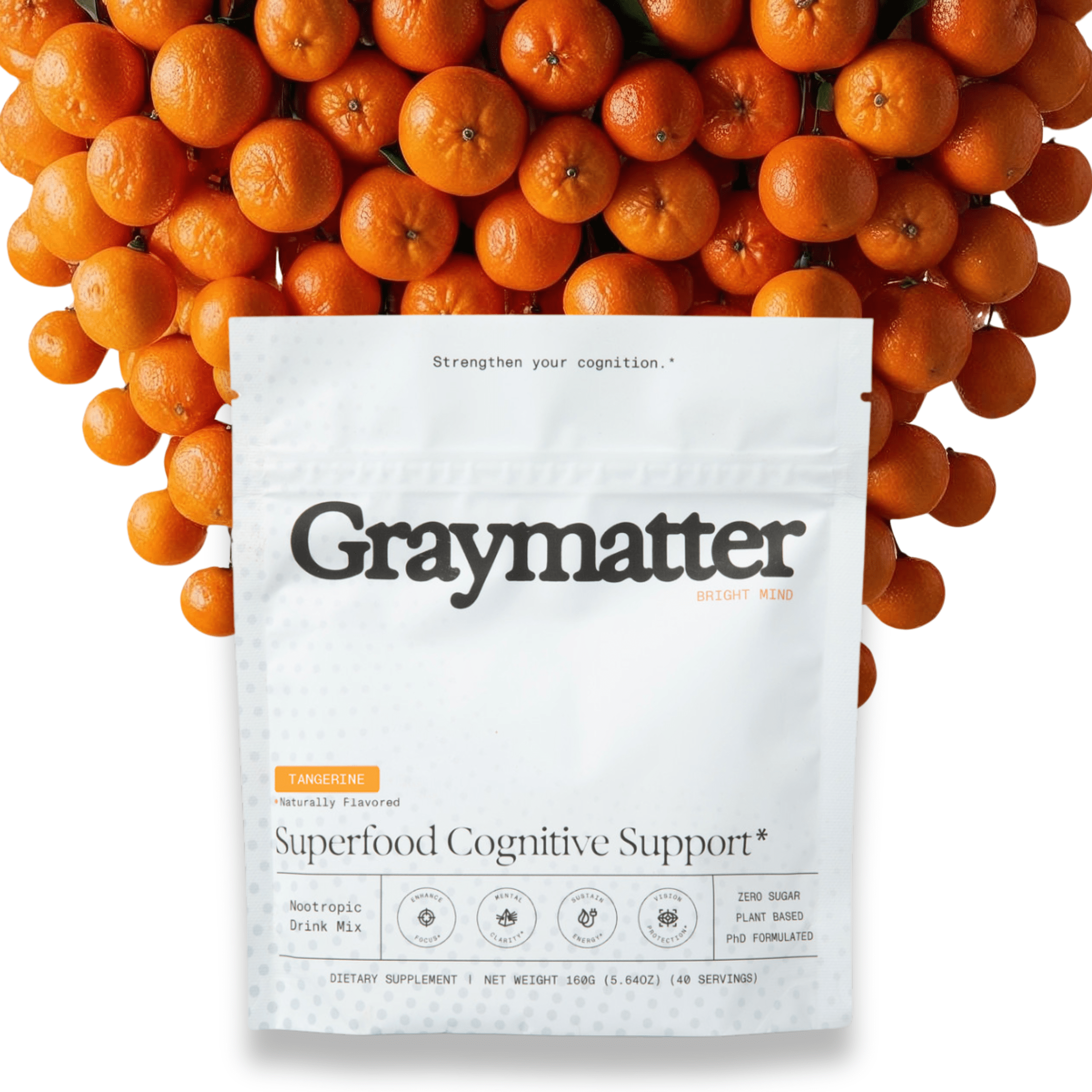
For those who prefer a natural approach to cognitive performance, Graymatter Bright Mind combines 27 active ingredients in a plant-based daily formula. It’s designed to support focus, mental clarity, and sustained energy as part of a consistent wellness routine.
Compliance note: Graymatter Bright Mind is a dietary supplement that supports focus and cognitive function; not intended to diagnose, treat, or cure any medical condition. Please consult a healthcare provider regarding any treatment plan.
FAQs
What is the difference between natural and synthetic nootropics?
Natural nootropics come from plants, fungi, and amino acids. Synthetic nootropics are lab-created compounds. The two differ in source, onset speed, side effect profile, and dependency risk.
Are natural nootropics as effective as synthetic?
Natural nootropics tend to work more gradually and subtly. Synthetic options may produce faster effects but carry higher risks. Effectiveness depends on the ingredient, dose, and individual.
Which nootropics actually work?
Ingredients like Bacopa Monnieri, Lion's Mane, Rhodiola, L-Theanine with caffeine, and Alpha GPC have peer-reviewed support for cognitive function when used consistently.
What is the most effective natural nootropic?
No single ingredient holds that title universally. Bacopa, Lion's Mane, and the L-Theanine plus caffeine combination are among the most well-supported for focus and memory.
Are synthetic nootropics safe?
Safety varies widely. Prescription synthetic nootropics carry known side effects and dependency risks. Over-the-counter synthetic options lack robust long-term safety data for most compounds.
Can you combine natural and synthetic nootropics?
Combining supplements with prescription medications should only happen under medical guidance. Mixing compounds without professional oversight may increase the risk of unwanted interactions.
Leave a comment