


You're crushing deadlines, leading teams, and achieving goals that once seemed impossible. Yet underneath this success, you're riding an emotional rollercoaster that threatens everything you've built. One moment you're confident and energized, the next you're irritable and questioning your abilities. These mood swings in high performers aren't a sign of weakness – they're your brain crying out for the right support.
If you're among the driven professionals experiencing these intense emotional fluctuations, there's good news. Recent advances in neuroscience have revealed not just why this happens, but how targeted nutritional support can restore your emotional balance without compromising the drive that makes you exceptional.
The Hidden Cost of High Achievement
Success demands a neurological price that few discuss openly. High achiever mood swings represent more than just stress – they're the result of your brain operating beyond its natural capacity without adequate nutritional support. Research from The Lancet Psychiatry indicates that individuals in high-pressure careers experience emotional dysregulation at rates significantly higher than the general population.
What makes this particularly challenging is that conventional solutions often fail high performers. Coffee leads to anxiety and crashes. Prescription stimulants come with concerning side effects – studies show a 27% increased risk of cardiovascular disease from just 3-5 years of use. Meanwhile, ignoring the problem leads to burnout, damaged relationships, and declining performance.
What Causes Mood Swings in High Performers?
Understanding neuroscience reveals why traditional approaches fall short. Your brain operates through a delicate balance of neurotransmitters, and sustained high performance disrupts this balance in predictable ways.
The Dopamine Depletion Cycle
Every achievement, every problem solved, every successful meeting triggers dopamine release. This neurotransmitter drives motivation, focus, and that satisfying feeling of accomplishment. But here's what happens: intense cognitive demands can deplete dopamine stores by up to 40% over a typical workday.
When dopamine runs low, you experience:
-
Loss of motivation despite having important tasks
-
Increased irritability over minor issues
-
Difficulty finding satisfaction in achievements
-
That "empty" feeling after completing major projects
This is where L-Tyrosine becomes crucial. As a direct precursor to dopamine, it provides the raw materials your brain needs to maintain a stable mood during demanding periods. Studies show L-Tyrosine supplementation can significantly improve mood and cognitive performance under stress – exactly when high achievers need it most.
Acetylcholine: The Forgotten Mood Regulator
While dopamine gets attention, acetylcholine plays an equally vital role in mood-stabilizing supplements. This neurotransmitter supports memory, learning, and crucially, emotional regulation through the parasympathetic nervous system. High performers rapidly deplete acetylcholine through intense focus and multitasking.
Alpha-GPC and Huperzine A work synergistically to support acetylcholine levels. Alpha-GPC provides choline in its most bioavailable form, while Huperzine A prevents acetylcholine breakdown, keeping it active longer. This combination helps maintain emotional stability even during cognitively demanding periods.
The Stress-Mood Connection
Chronic high performance keeps your stress response constantly activated. Elevated cortisol disrupts serotonin production, impairs neuroplasticity, and creates inflammatory responses in the brain. This explains why many successful people feel "wired but tired" – stressed yet exhausted.
Adaptogens like Ashwagandha and Rhodiola have been shown in clinical studies to regulate cortisol and build stress resilience. Unlike sedatives that dull performance, adaptogens help your body handle stress more efficiently, preventing the mood crashes that follow intense work periods.
Can Nootropics Help with Mood Swings?
Absolutely – but not all nootropics for mood are created equal. The key is choosing comprehensive formulations that address multiple pathways simultaneously. Single-ingredient supplements might provide temporary relief, but lasting mood stability requires supporting the entire
What Supplements Stabilize Mood? A Science-Based Approach
Effective mood stabilizing supplements work through multiple mechanisms. Here's what research reveals about key ingredients:
Immediate Mood Support Compounds
Lion's Mane Mushroom: This medicinal mushroom supports nerve growth factor production, potentially improving both mood and cognitive function. Studies suggest it may help reduce anxiety and depression symptoms while enhancing focus.
Phosphatidylserine: This phospholipid is crucial for brain cell membrane health. Research indicates it can reduce cortisol levels and improve mood, particularly in high-stress situations.
B-Complex Vitamins: Essential cofactors in neurotransmitter synthesis. B6, B9, and B12 deficiencies directly correlate with mood instability.
Long-term Resilience Builders
Cordyceps: This adaptogenic mushroom helps improve cellular energy production, supporting sustained mental performance without crashes.
Red Panax Ginseng: Clinical studies show it can improve mood, reduce fatigue, and enhance cognitive function, particularly under stress.
Maca Root: Research suggests this Peruvian root can help balance hormones and improve mood, especially in those experiencing stress-related symptoms.
Are Mood Swings Common in High Achievers?
Research confirms that high achiever mood swings are remarkably common. Studies indicate that individuals in demanding careers experience mood instability at rates 2-3 times higher than the general population. This isn't a character flaw – it's biology meeting extreme demands.
High performers often share certain neurological traits:
-
More sensitive dopamine systems (driving ambition but increasing depletion risk)
-
Higher baseline cortisol from chronic stress
-
Greater cognitive demands exhausting mood-regulating resources
-
Perfectionist tendencies amplifying stress responses
Many high achievers also have undiagnosed ADHD, which intensifies mood swings due to naturally variable dopamine levels. Targeted neurotransmitter support makes an ideal choice for those seeking natural alternatives to prescription stimulants.
How to Manage Mood Changes Naturally: Your Complete Protocol
Managing emotional balance as a high performer requires both immediate strategies and long-term support.
Morning Optimization Routine
Start your day by setting a stable neurological foundation:
-
Hydrate First: Drink 16-20 ounces of water immediately upon waking
-
Nutritional Support: Take these 30 minutes after waking for all-day mood and cognitive support
-
Protein-Rich Breakfast: Include eggs, Greek yogurt, or plant-based proteins to provide amino acids for neurotransmitter production
-
Natural Light Exposure: Spend 10-15 minutes in sunlight to regulate circadian rhythms
The combination of hydration, targeted supplementation, and proper nutrition creates a stable platform for emotional balance throughout your day.
Workday Mood Management
During high-pressure workdays, these strategies maintain stability:
The 90-Minute Rule: Your brain operates in ultradian rhythms. Take a 5-minute break every 90 minutes to prevent cognitive overload and mood crashes.
Strategic Nutrition: Keep brain-healthy snacks available:
-
Raw almonds (magnesium for calm)
-
Blueberries (antioxidants for brain protection)
-
Dark chocolate (phenylethylamine for mood boost)
Breathwork for Reset: When feeling mood shifts, practice 4-7-8 breathing:
-
Inhale for 4 counts
-
Hold for 7 counts
-
Exhale for 8 counts
-
Repeat 3-4 times
Evening Recovery Protocol
How you end your day determines tomorrow's mood stability:
-
Digital Sunset: Reduce blue light exposure 2 hours before bed
-
Magnesium Support: Consider supplemental magnesium glycinate for relaxation
-
Gratitude Practice: Write three things that went well today
-
Consistent Sleep Schedule: Aim for the same bedtime nightly
The Vision-Mood Connection Most People Miss
Here's something crucial: eye strain from excessive screen time (Americans average 7+ hours daily) directly impacts mood through multiple pathways. Visual fatigue creates stress responses that destabilize emotional regulation.
Ingredients for Vision Support:
-
Lutein and Zeaxanthin: Protect against blue light damage
-
Astaxanthin: Powerful antioxidant reducing eye inflammation
-
Vitamin E: Supports overall eye health
By protecting your vision, you're indirectly supporting mood stability – a connection most natural mood boosters ignore.
Building Long-term Emotional Resilience
While immediate relief matters, sustainable success requires building resilience over time.
Exercise for Emotional Stability
Physical activity remains one of the most powerful mood stabilizers:
-
Morning Movement: 20 minutes of moderate exercise boosts BDNF
-
Midday Walks: Reset your nervous system between meetings
-
Strength Training: 2-3x weekly improves stress resilience
Mindfulness Without the Mysticism
You don't need hour-long meditation sessions. Simple practices work:
-
Box Breathing: 4-4-4-4 count breathing during transitions
-
Body Scans: 2-minute check-ins with physical sensations
-
Mindful Moments: Full attention on routine tasks like coffee brewing
Special Protocols for ADHD High Performers
If you have ADHD (diagnosed or suspected), mood management requires additional considerations. ADHD brains have naturally fluctuating dopamine, making mood swings more intense. Research on ADHD's evolutionary advantages shows these traits can be strengths when properly supported.
How Nootropics Help:
-
Sustained Dopamine Support: L-Tyrosine provides steady precursor availability
-
Focus Without Overstimulation: Natural caffeine with L-theanine prevents jittery feelings
-
Adaptogenic Balance: Helps manage the emotional intensity common in ADHD
Your Action Plan for Mood Stability
Ready to take control? Here's your step-by-step plan:
Week 1: Assessment and Foundation
-
Track your mood patterns for baseline understanding
-
Start daily supplementation
-
Implement basic hydration and sleep hygiene
Week 2-3: Building Habits
-
Add a morning movement routine
-
Practice workday break protocols
-
Introduce evening recovery practices
Month 2: Optimization
-
Fine-tune dosing (some benefit from afternoon doses)
-
Add targeted exercise for mood support
-
Consider working with a coach familiar with high-performer psychology
Ongoing: Maintenance and Growth
-
Maintain consistent supplementation
-
Regular reassessment of protocols
-
Adjust strategies based on life demands
The New Paradigm of Sustainable High Performance
High performance doesn’t have to come with constant emotional swings. When the brain is under steady demand, small gaps in recovery, nutrition, and routine tend to show up as mood shifts over time. Supporting those basics consistently is what allows both focus and emotional balance to hold up under pressure.
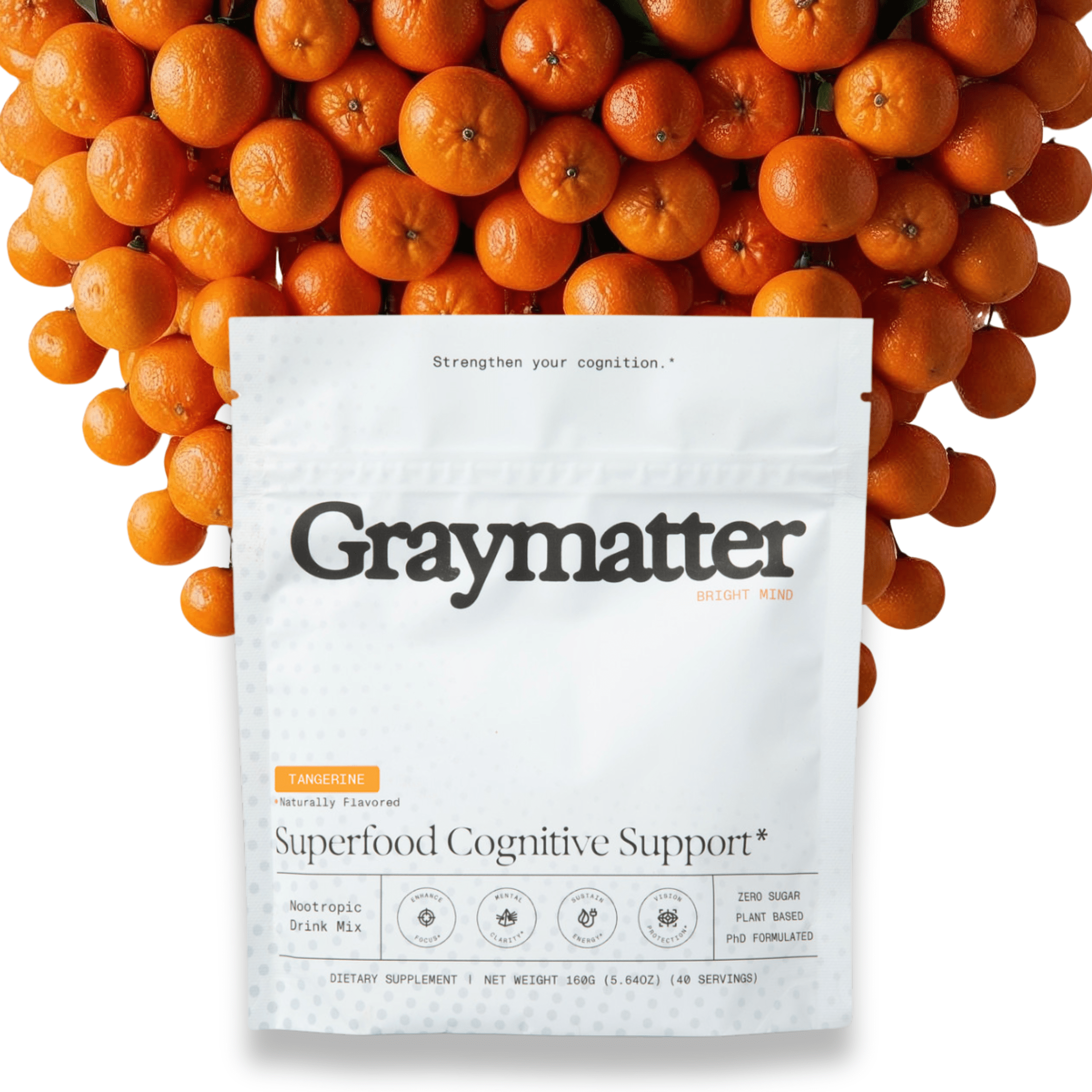
In practice, that often looks like building a routine that doesn’t rely on spikes and crashes. Alongside sleep, nutrition, and structured work habits, Graymatter Bright Mind can fit in as a steady part of the day, helping bring a bit more consistency to how you think, work, and respond.
Frequently Asked Questions
How quickly will I notice mood improvements?
Some people notice a subtle mental lift the same day, but steadier mood and consistency typically build over 2–3 weeks with regular use alongside sleep, nutrition, and daily routines.
Is it safe to take Bright Mind with my morning coffee?
It can be combined, but it’s best to monitor total caffeine intake. Many prefer starting with smaller amounts to see how their body responds before adjusting their routine.
What if I'm sensitive to caffeine?
Start with a reduced serving to assess tolerance. Some individuals prefer earlier timing in the day and pairing it with food to keep the experience smoother and more comfortable.
Can Bright Mind replace prescription mood medications?
No. It is not a replacement for prescribed treatments. Always consult a qualified healthcare provider before making any changes to medications or treatment plans.
Do natural supplements help with mood and focus?
Some supplements may support mood and focus by supporting neurotransmitter balance and stress response. Effects vary by individual and tend to build gradually with consistent daily use rather than immediate changes.
Compliance note: Graymatter Bright Mind is a dietary supplement that supports focus and cognitive function; not intended to diagnose, treat, or cure any medical condition. Please consult a healthcare provider regarding any treatment plan.
Leave a comment