


Your brain never stops working. Even while you sleep, it is repairing cells, consolidating memories, and regulating essential functions that keep your body running. And just like any hard-working organ, your brain needs the right fuel.
A smart diet for brain health is not built on trendy superfoods or quick fixes. It comes from consistent, nutrient-dense meals that support how your brain functions at every stage of life.
Why Your Brain Needs a Balanced Diet
Your brain is only about 2% of your body weight, but it uses roughly 20% of your body's total energy [1]. A balanced diet for brain health ensures a steady supply of glucose, essential fats, vitamins, and antioxidants. Without the right nutrients, you may experience brain fog, trouble concentrating, and fatigue.
Best Brain-Healthy Foods to Include in Your Diet
Certain foods stand out for the nutrients they provide and their role in supporting brain function. Here are some of the most effective brain-healthy foods.
Quick Overview:
|
Food |
Key Nutrient |
Potential Brain Benefit |
|
Salmon |
Omega-3 (DHA) |
Supports memory and cell structure |
|
Blueberries |
Flavonoids |
May reduce oxidative stress |
|
Spinach/Kale |
Folate, Vitamin K |
May slow cognitive decline |
|
Eggs |
Choline |
Supports neurotransmitter production |
|
Walnuts |
ALA (Omega-3) |
May support healthy blood flow |
|
Dark Chocolate |
Flavonoids, Caffeine |
May boost focus and alertness |
|
Olive Oil |
Monounsaturated fats |
Anti-inflammatory support |
Fatty Fish
Salmon, sardines, trout, and mackerel are packed with omega-3 fatty acids, especially DHA. Omega-3s are a structural component of brain cells and may support memory and mental clarity.
Blueberries and Dark Berries
Berries are loaded with flavonoids, a type of antioxidant that may help protect the brain from oxidative stress. Regular consumption of berries has been associated with slower cognitive decline in some populations.
Leafy Greens
Spinach, kale, and collard greens are rich in folate, vitamin K, lutein, and beta carotene. Adding a handful to your meals each day is one of the simplest ways to support brain health.
Eggs
Eggs contain choline, a nutrient that supports the production of acetylcholine, a key neurotransmitter for memory and learning. One or two eggs a few times per week can go a long way.
Nuts and Seeds
Walnuts in particular stand out. Walnuts are high in alpha-linolenic acid (ALA), a plant-based omega-3 fatty acid. Pumpkin seeds also deliver magnesium, zinc, and iron, all of which play a role in brain signaling.
Dark Chocolate
Cocoa contains flavonoids, caffeine, and antioxidants. Choosing dark chocolate with at least 85% cocoa may support blood flow to the brain. Keep portions moderate.
Olive Oil
A staple of the Mediterranean diet, olive oil provides anti-inflammatory monounsaturated fats. Drizzling olive oil over salads or cooked vegetables is a simple habit with potential cognitive benefits.
Eating Patterns That Support the Best Diet for Brain Health
How you eat consistently matters more than any single food choice.
The MIND Diet
The MIND diet combines elements of the Mediterranean and DASH diets, with a specific emphasis on brain-supporting foods. The eating pattern prioritizes leafy greens, berries, nuts, fish, and whole grains while limiting red meat, sweets, and fried foods.
The Mediterranean Diet
Rich in vegetables, fruits, whole grains, and healthy fats, the Mediterranean diet has long been associated with heart and brain health. The focus on olive oil, fish, and plant-based meals makes the Mediterranean diet one of the best diets for brain health choices.
What to Avoid for Better Cognitive Function
Some foods can disrupt energy, focus, and long-term brain health.
- Ultra-processed foods like chips, sugary cereals, and packaged snacks
- Excess refined sugar, which may cause energy spikes and crashes
- High-sodium foods, which can affect blood pressure and brain function
- Trans fats and saturated fats, found in fried and fast food
Brain Health at Every Age
Your brain's needs shift as you age. Here's a quick breakdown:
- In your 20s and 30s: Focus on omega-3s, hydration, and a diet rich in antioxidants. Building strong nutritional habits now sets a foundation for later years.
- In your 40s and 50s: Prioritize anti-inflammatory foods and monitor vitamin B12 intake. The gut-brain connection becomes increasingly important, so fermented foods like yogurt and kimchi may help.
- 60s and beyond: A healthy diet for the brain should include adequate protein, leafy greens, and foods rich in choline. Staying hydrated and eating consistently throughout the day supports sustained energy and cognitive stamina.
Conclusion
A diet for brain health doesn't require a complete overhaul. Small, consistent changes, like adding more leafy greens, eating fatty fish twice a week, and swapping processed snacks for nuts, can support sharper thinking and better focus over time.
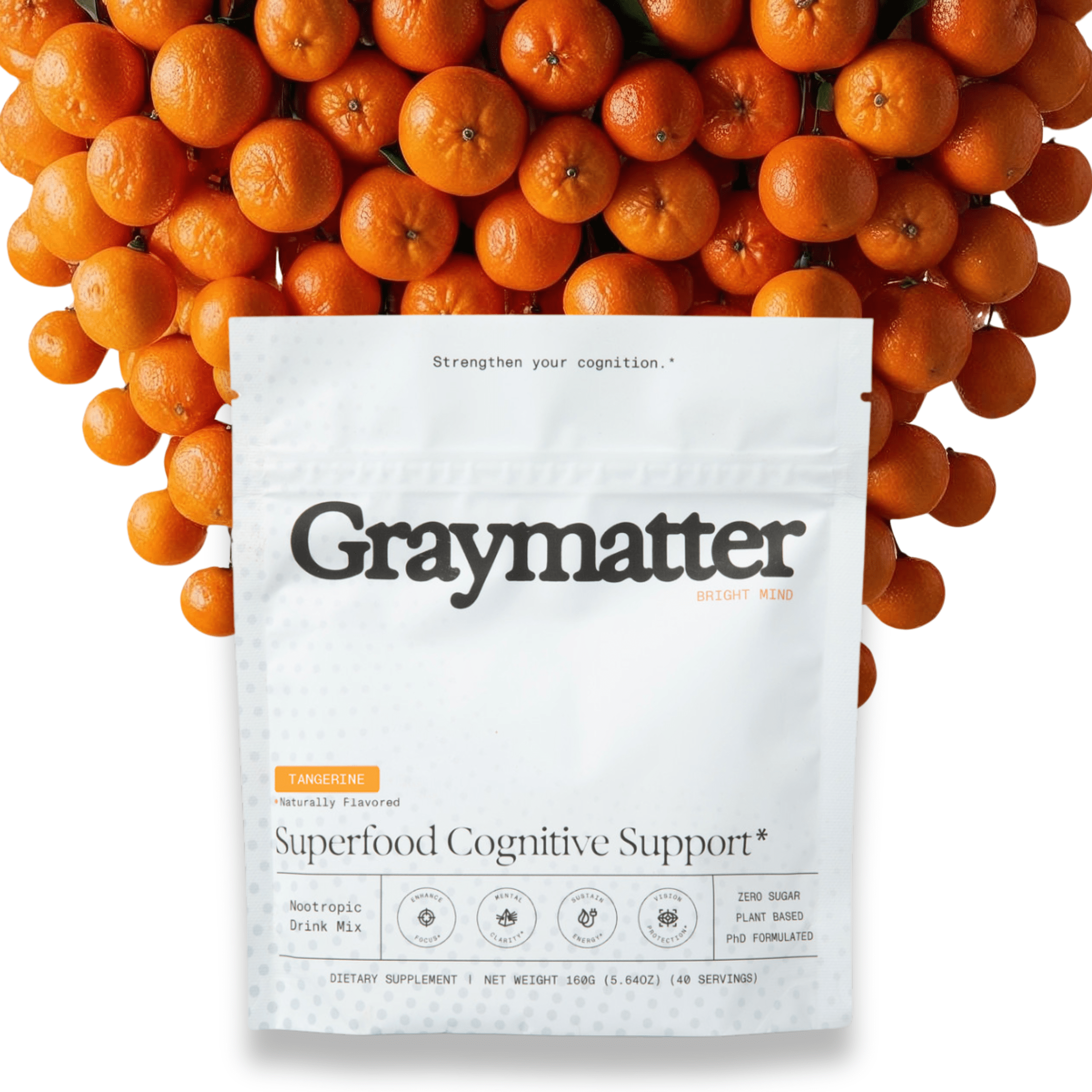
For those looking to complement a balanced diet with additional cognitive support, Graymatter Bright Mind is a plant-based daily drink mix with 27 active ingredients, including adaptogens and nootropics (compounds that support cognitive function).
Your brain works hard for you every single day, and feeding your brain well is one of the simplest ways to return the favor.
Compliance note: Graymatter Bright Mind is a dietary supplement that supports focus and cognitive function; not intended to diagnose, treat, or cure any medical condition. Please consult a healthcare provider regarding any treatment plan.
Frequently Asked Questions
What is the best diet for brain health?
The MIND and Mediterranean diets are widely considered the best diets for brain health. Both emphasize leafy greens, berries, fish, nuts, and olive oil while limiting processed foods.
What foods cause brain fog?
Excess refined sugar, ultra-processed snacks, and high-sodium foods may contribute to brain fog. Reducing such foods and eating whole, nutrient-dense meals may help.
Are supplements good for brain health?
Supplements can help fill nutritional gaps when a balanced diet falls short. Plant-based nootropic blends like Bright Mind are formulated to support focus and cognitive function.
How much water does the brain need?
The brain is about 75% water. Even mild dehydration can impair concentration and short-term memory. Aim for 8 or more glasses per day, depending on activity level.
Which fruits are best for the brain?
Blueberries, strawberries, oranges, and avocados are among the best fruits for brain health. Berries in particular are rich in antioxidants that may protect brain cells.
Does sugar damage the brain?
Excess added sugar may cause inflammation and insulin resistance, both of which are linked to cognitive decline over time. Moderation is key.
Leave a comment