


The pressure on high school students to perform has never been higher. Between AP exams, extracurriculars, college applications, and the constant pull of digital distraction, teens are looking for any edge to stay focused and mentally sharp. Some are turning to cognitive supplements and nootropics to boost memory, focus, and concentration.
But are nootropics safe for high school students? And should parents be concerned, supportive, or somewhere in between? Here's a fact-based look at what the science says, what the risks are, and what actually works for teen cognitive health.
What Are Nootropics and Cognitive Supplements?
Nootropics are compounds designed to support cognitive function, including memory, attention, focus, and processing speed. The category includes a wide range of ingredients:
- Vitamins and minerals: B vitamins, Vitamin D, zinc, magnesium
- Amino acids: L-Theanine, L-Tyrosine
- Herbal compounds: Ashwagandha, Rhodiola, Bacopa monnieri
- Cholinergic compounds: Alpha GPC, Phosphatidylserine
- Plant-based caffeine sources: Matcha, Guarana, Green Tea
- Omega-3 fatty acids: DHA and EPA from fish oil
Safe nootropics for adults are widely available, well-studied, and generally well-tolerated. But safe for adults doesn't automatically mean safe or appropriate for adolescents.
Why the Adolescent Brain Needs Special Consideration
The teenage brain is still under construction. The prefrontal cortex, responsible for decision-making, impulse control, and sustained focus, doesn't fully mature until the mid-20s. Neurotransmitter systems (including dopamine, serotonin, and acetylcholine) are still calibrating.
According to a CDC MMWR report, 34% of U.S. children and adolescents used at least one dietary supplement in the past 30 days [1]. While most of that usage involves multivitamins, interest in cognitive-specific supplements among teens is growing.
The adolescent brain is still developing, which means the response to cognitive compounds may differ from that of adults. Some ingredients, like omega-3s and B vitamins, are well-studied, but for others, the data on teen-specific use is still limited, which is why a healthcare-guided approach is the smartest starting point.
What Are the Risks for Teens?
Not all nootropic ingredients carry the same level of risk. But parents should be aware of potential concerns.
|
Risk |
Details |
|
Overstimulation |
Stimulant-containing supplements may cause anxiety, jitteriness, or sleep disruption in teens |
|
Sleep interference |
Caffeine too late in the day can disrupt sleep, which directly impairs focus and memory consolidation |
|
Unknown long-term effects |
Limited research on how cognitive enhancers affect developing neurotransmitter systems over months or years |
|
Dependency concerns |
Regular use of stimulant-based products may create psychological reliance |
|
Medication interactions |
Some ingredients may interact with medications, antidepressants, or other prescriptions |
What About Caffeine? A Balanced Perspective
Caffeine is the most widely consumed cognitive enhancer in the world, and moderate amounts are generally considered safe for older teens. The AAP suggests no more than 100mg per day for ages 12 to 18.
Where caffeine becomes problematic is in synthetic energy drinks loaded with 150 to 300mg plus high sugar, causing spikes, crashes, and sleep disruption. Plant-based caffeine from Korean Matcha, Green Tea, and Guarana works differently.
Naturally paired with L-Theanine, plant-based caffeine promotes calm alertness at gentler doses (50 to 75mg) without the jitters, sugar crash, or sleep interference that come with most energy drinks.
What Can Parents Do Instead?
Before considering any supplement, parents may want to focus on everyday habits that support overall cognitive wellness and academic performance in teens.
Protect Sleep
Teens need 8 to 10 hours per night. Sleep deprivation impairs memory, mental clarity, and emotional regulation more than almost any other factor.
Support Nutrition
A diet rich in omega-3 fatty acids, leafy greens, lean proteins, and whole grains provides the raw materials the brain needs to develop and perform. Reducing processed sugar and ultra-refined snacks can help stabilize mood and reduce brain fog.
Encourage Physical Activity
Exercise releases dopamine, serotonin, and endorphins. A 20 to 30 minute daily workout or sport supports attention, mood, and academic performance.
Limit Screen Time
Excessive screen use fragments attention and reduces tolerance for sustained focus. Phone-free study windows and screen-free bedtime routines can make a meaningful difference.
Talk to a Healthcare Provider
If a teen is struggling with focus, memory, or concentration despite strong lifestyle habits, a healthcare provider can help evaluate whether an underlying condition may be a contributing factor.
Should High School Students Take Nootropics?
For most high school students, lifestyle habits (sleep, nutrition, exercise, screen management) should be the first and primary strategy for cognitive support. Supplements are not a substitute for the fundamentals.
For older teens (16+) who are interested in cognitive supplements, a conversation with a healthcare provider is the right starting point. If parents choose to introduce a product, starting with smaller doses and choosing formulations with transparent ingredients and gentle, plant-based compounds is a cautious approach.
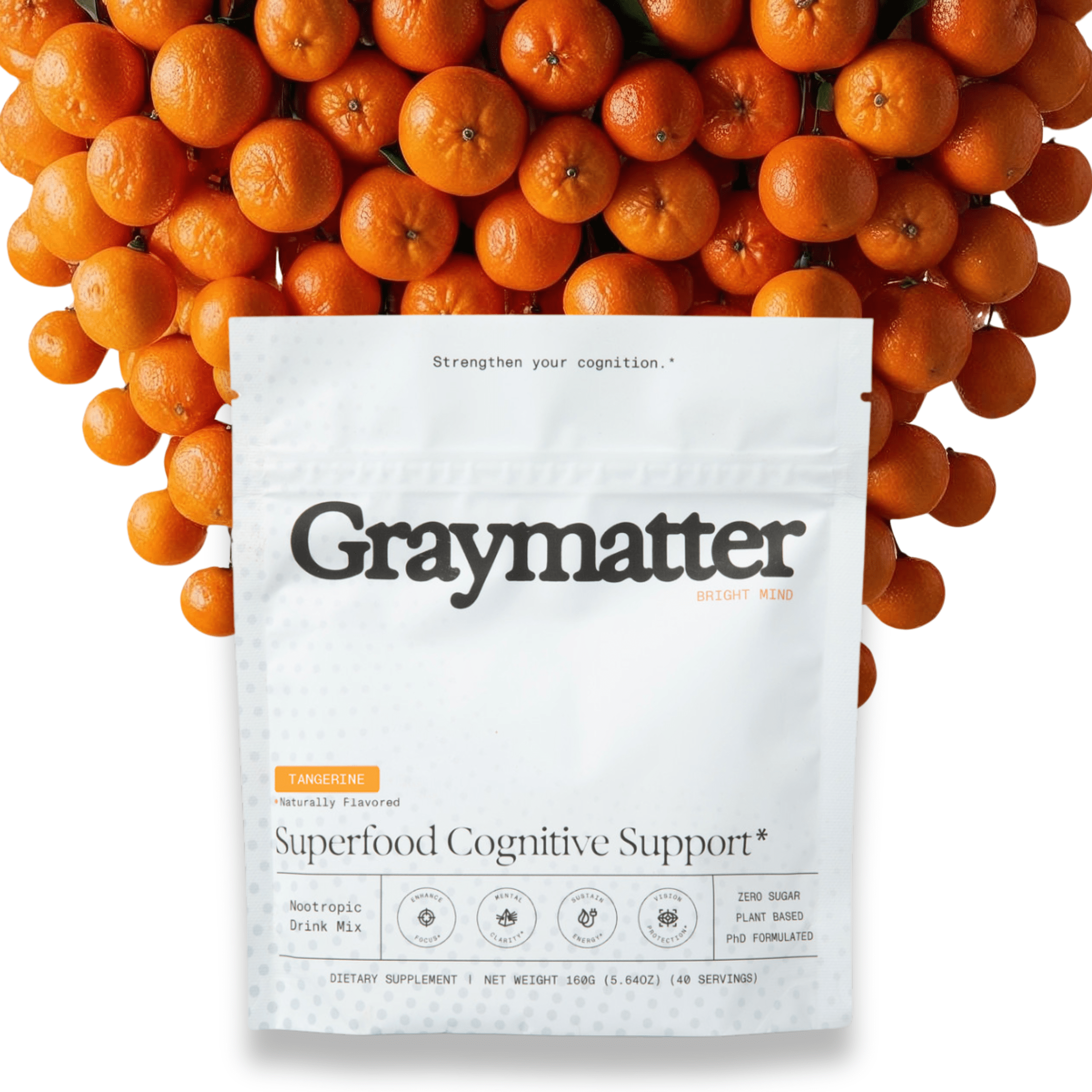
Graymatter Bright Mind is built around many of the plant-based ingredients, including adaptogens, nootropics, and gentle caffeine from Korean Matcha and Guarana. For parents considering it for teens 16+, Graymatter recommends consulting a healthcare provider first, using it with parental guidance, and starting with smaller doses.
Compliance note: Graymatter Bright Mind is a dietary supplement that supports focus and cognitive function; not intended to diagnose, treat, or cure any medical condition. Please consult a healthcare provider regarding any treatment plan.
Frequently Asked Questions
Are nootropic supplements safe for teenagers and high school students?
Most nootropics are researched in adults, not adolescents. The developing teen brain may respond unpredictably. Consulting a healthcare provider before use is essential.
What risks should parents know before teens start using cognitive supplements?
Overstimulation, sleep disruption, unknown long-term effects on brain development, and potential medication interactions are the primary concerns. Start with lifestyle habits first.
At what age is the practice generally considered safer to start taking nootropics?
Most cognitive supplements are formulated for adults (18+). For teens 16+, parental guidance and healthcare provider consultation are recommended before introducing any nootropic product.
Should high school students talk to a doctor before using over-the-counter nootropics?
Yes. A healthcare provider can evaluate whether a supplement is appropriate, check for medication interactions, and determine whether an underlying condition may be causing focus difficulties.
Are there natural alternatives to supplements that can improve teen focus and memory?
Quality sleep (8-10 hours), balanced nutrition, daily exercise, reduced screen time, and mindfulness practices are the most effective and safest strategies for supporting teen cognitive performance.
Can teens safely consume caffeine for focus?
Moderate caffeine (under 100mg per day) from plant-based sources like matcha or green tea is generally considered acceptable for older teens. Synthetic energy drinks with high caffeine and sugar should be avoided.
Leave a comment