


Exam season hits, and suddenly everyone is running on caffeine, late nights, and sheer willpower. Maybe you have been there, reaching for another energy drink just to keep your eyes open long enough to finish one more chapter.
Here is the problem with that approach. The short burst of alertness you get from stimulants almost always comes with a crash, worse sleep, and more fatigue the next day. And the cycle just repeats.
You do not need stimulants to perform well. A few simple, sustainable habits can keep your brain sharp without the crash. From smarter study blocks to better energy sources, here is what to focus on.
Why Stimulants Often Backfire During Exam Season
Most people reach for stimulants with good intentions. But understanding why they backfire helps you make smarter choices.
The Energy Crash Loop
The dangers of regular energy drink use go deeper than most people realize. Stimulants give you a short burst of alertness, but the drop afterward leaves you more tired than before. So you reach for another dose, and the cycle repeats until your baseline energy is lower than where you started.
Your Body Gets Used to It
The more frequently you rely on caffeine or energy drinks, the more your body adapts to them. What used to sharpen your focus starts to just bring you back to normal, and you need increasing amounts to feel any effect at all.
Practical Ways to Stay Focused
You do not need to white-knuckle your way through exam prep. Proven techniques can help you study smarter, not harder.
Use the Pomodoro Technique
Sitting for hours without a break burns you out fast. The Pomodoro Technique keeps your brain fresh:
-
Study for 25 minutes with full focus.
-
Take a 5-minute break to stretch or walk around.
-
After four rounds, take a longer 15 to 30-minute break.
Prioritize Sleep Over Late-Night Cramming
Pulling an all-nighter might feel productive, but sleep is when your brain consolidates what you have learned. Aim for 7 to 9 hours each night.
-
Stop screen time at least 30 minutes before bed.
-
Keep your room cool and dark.
-
Avoid caffeine after 2 PM.
Move Your Body Between Study Blocks
Exercise increases blood flow to the brain, helping with alertness and memory. A 10-minute walk or a few jumping jacks between study blocks can make a real difference and give your brain downtime to process what you just studied.
Fuel Your Brain the Right Way
Your brain needs fuel, and the type you give it during exam prep plays a bigger role than most people realize.
Foods That May Support Steady Focus
Instead of sugary snacks that spike and crash your blood sugar, consider:
-
Fatty fish, walnuts, and flaxseeds (omega-3 fatty acids)
-
Blueberries, spinach, and dark chocolate (antioxidants)
-
Eggs and lean protein (amino acid support)
-
Whole grains and oats (slow-release energy)
Some everyday foods may be contributing to brain fog without you even noticing. Pairing balanced meals with steady hydration helps you avoid the afternoon slump.
Rethink Your Go-To Energy Source
For most people, moderate caffeine works just fine. The issue is when it becomes your only strategy. Nearly 89% of the U.S. population consumes caffeine for its stimulatory effects [1], so you are far from alone in relying on it during high-pressure study periods. The opportunity is not to ditch caffeine, but to pair it with longer-lasting support like balanced nutrition and proper timing of focus supplements.
Build a Study Routine That Prevents Burnout
Burnout is more than being tired, and preventing it takes structure. Follow the practices below:
Set Realistic Daily Goals
Break your material into small, specific tasks. Instead of "study for the exam," try "review chapter 4 and complete 20 practice questions." Achievable goals build momentum and reduce the overwhelm that feeds procrastination.
Schedule Rest Days Into Your Calendar
At least one full rest day per week may actually improve retention. Your brain processes information even when you are not actively studying. Morning routines that include the right habits can help you start study days with more clarity rather than reaching for a stimulant right away.
Summing Up
What works long-term during exam season is rarely the loudest or fastest option. Structured study blocks, real sleep, movement, and proper nutrition do more for your focus than any stimulant cycle can.
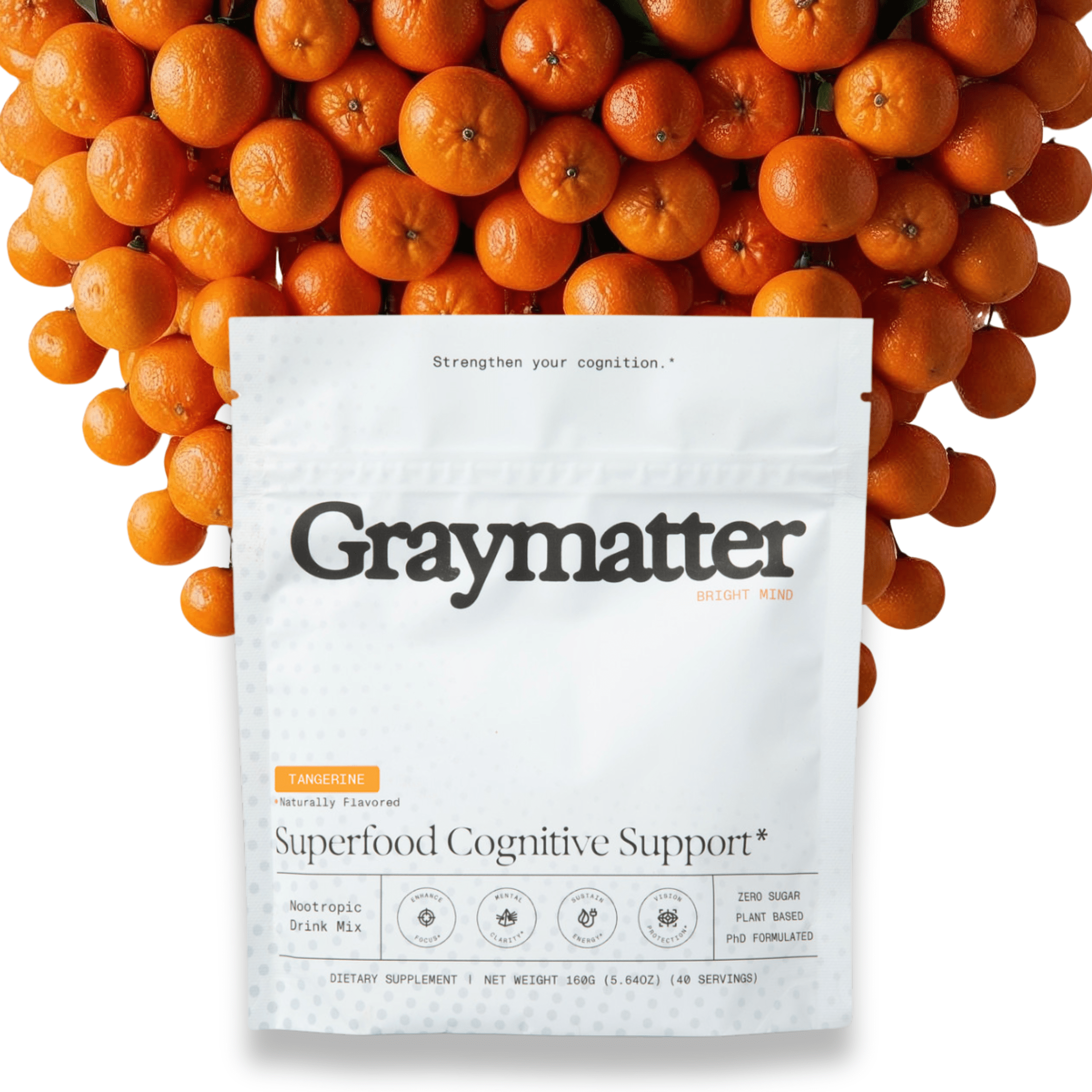
When you want an extra edge, plant-based ingredients like Alpha GPC, L-Tyrosine, and adaptogens may support calm, sustained attention without the jitters. Bright Mind combines these into a single drink mix built for long study days without the crash. Focus smarter now and thank yourself later.
Frequently Asked Questions
Q1. How many hours should I study per day during exams?
Most experts recommend 4 to 6 focused hours with regular breaks, rather than 8+ hour marathon sessions that lead to diminishing returns.
Q2. What is the best natural way to boost focus for studying?
Quality sleep, regular exercise, balanced nutrition, and structured study sessions tend to be the most effective combination for sustained focus.
Q3. Are nootropics safe to use during exam prep?
Many natural nootropics like L-Theanine, Lion's Mane, and Alpha GPC are generally well-tolerated. Always consult a healthcare provider before starting any new supplement.
Q4. How do I know if I am burning out from studying?
Common signs include difficulty concentrating even after rest, irritability, loss of motivation, headaches, and feeling emotionally drained by simple tasks.
Q5. Does exercise really help with studying?
Physical movement increases blood flow to the brain and may improve both focus and memory retention. Even a short 10-minute walk between sessions can help.
Leave a comment