


Overview of Focus Supplements and Caffeine
What Are Focus Supplements?
Focus supplements are natural or plant-based brain supplements designed to improve attention, memory, and cognitive stamina. Instead of giving a quick burst of stimulation, they support the brain’s neurotransmitters, blood flow, and stress response for long-term cognitive health.
Common ingredients include:
-
L-Tyrosine: A dopamine precursor that improves focus during stressful situations.
-
Alpha GPC: Boosts acetylcholine levels, critical for memory and learning.
-
Huperzine A: Protects acetylcholine and supports memory retention.
-
Adaptogens (Ashwagandha, Rhodiola): Help regulate cortisol, lowering stress and fatigue.
-
Nitrosigine: Improves blood flow and nutrient absorption, enhancing focus and mental stamina.
Understanding Caffeine
Caffeine supplements and caffeinated drinks like coffee, tea, or energy drinks are the most common tools people use to stay alert. Caffeine works by blocking adenosine receptors in the brain, which delays drowsiness and increases alertness.
Typical sources include:
-
Coffee and espresso
-
Green tea and Matcha
-
Soft drinks and energy drinks
-
Caffeine pills and powders
While effective in the short term, caffeine can lead to jitters, crashes, and dependency with overuse (NCBI Bookshelf, 2023).
Benefits of Focus Supplements Compared to Caffeine
Cognitive Enhancement: Focus Supplements vs. Caffeine
Caffeine is a fast-acting cognitive enhancer, raising alertness within 30–45 minutes. But its effects fade quickly, and tolerance builds, meaning you need more for the same boost.
Focus supplements work differently. Alpha GPC and Huperzine A directly support acetylcholine, improving memory and learning, while adaptogens help manage stress hormones. This means focus supplements support both short-term concentration and long-term brain health.
Energy Levels: Do Focus Supplements Provide More Sustained Energy?
Caffeine creates an energy spike, but often leads to crashes, irritability, or disrupted sleep.
In contrast, energy boosting supplements like Rhodiola and Nitrosigine® promote steady stamina. Matcha releases caffeine more gradually than coffee, reducing spikes. Users often report smoother, more balanced energy.
Side Effects and Considerations
Potential Side Effects of Caffeine
While safe in moderation, caffeine can cause:
-
Jitters and nervousness
-
Increased heart rate
-
Sleep disturbances
-
Dependency and withdrawal headaches
A Journal of Psychopharmacology study (2002) showed caffeine improves performance temporarily, but dependency develops quickly.
Are There Side Effects of Focus Supplements?
Most natural supplements used in focus formulations are well-tolerated. Ashwagandha and Rhodiola, for example, have been studied for decades and shown to reduce stress without major side effects.
Which Is Better for Focus: Focus Supplements or Caffeine?
Personal Preferences: Choosing Between Focus Supplements and Caffeine
The better option depends on your needs:
-
For instant alertness, caffeine is useful.
-
For sustainable focus, memory, and stress support, supplements are more effective.
-
Students and professionals often benefit more from ADHD supplements or nootropics, which avoid dependency while boosting concentration.
Cost Analysis: Are Focus Supplements Worth the Investment?
Coffee and caffeine pills are inexpensive, but frequent use has hidden costs: disrupted sleep, anxiety, and eventual dependence.
High-quality supplements may cost more upfront but provide better value long term.
Conclusion
Caffeine and focus supplements serve different purposes. Caffeine delivers quick alertness, but the effect is short-lived and often followed by crashes or tolerance. Focus supplements take a broader approach, supporting memory, stress balance, and sustained attention over time.
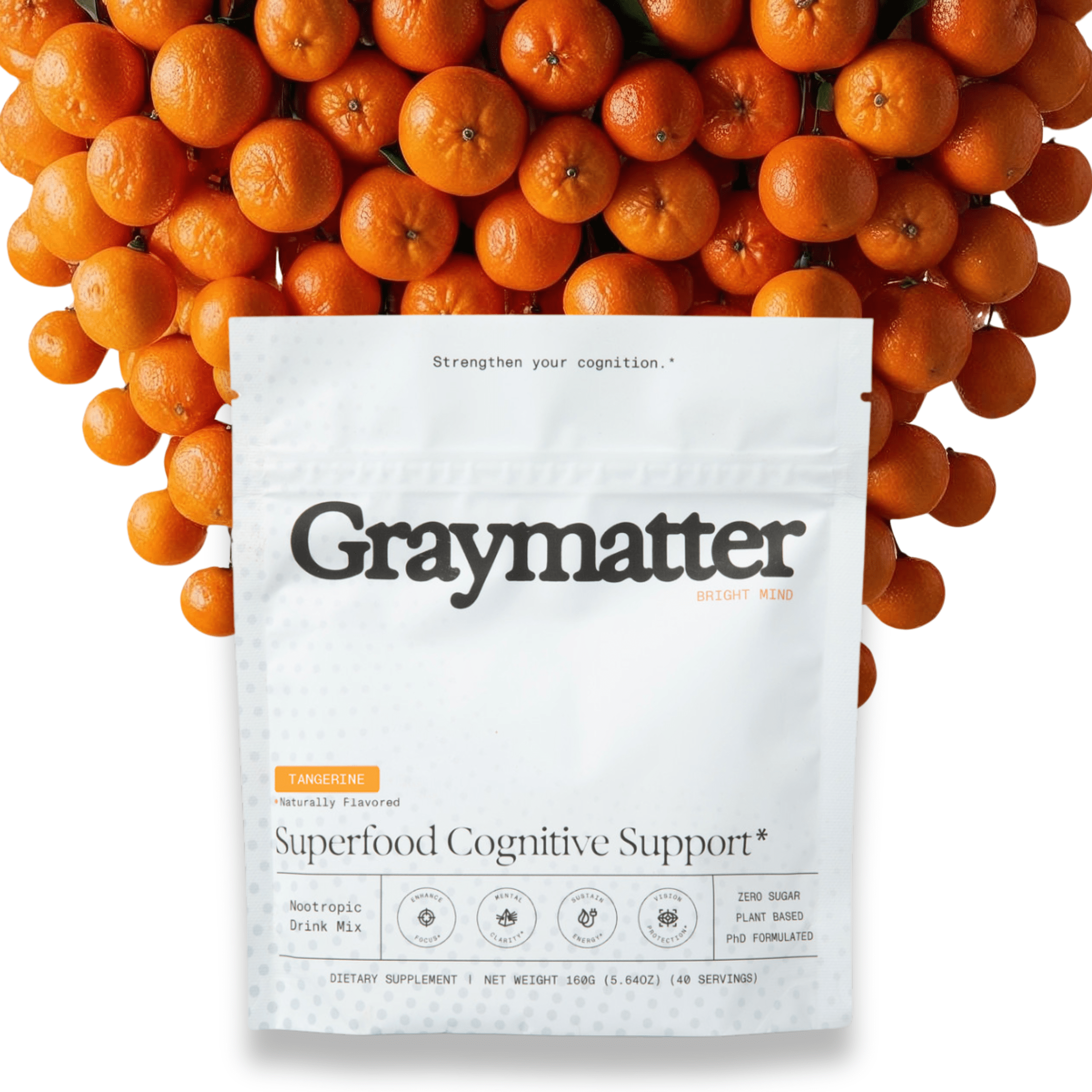
For those looking to move beyond short bursts of energy, structured options like Graymatter Bright Mind combine nootropics, adaptogens, and plant-based energy to support steadier focus without the typical highs and lows.
Frequently Asked Questions (FAQs)
1. Are focus supplements better than caffeine?
Caffeine provides quick alertness but fades quickly and can build tolerance. Focus supplements support multiple cognitive pathways, offering steadier concentration, improved memory, and better stress control without the same dependency risks.
2. Which natural supplements improve focus and productivity?
L-Tyrosine supports motivation, Alpha GPC supports memory, and Rhodiola helps manage stress. Combined in balanced formulations, these ingredients can improve sustained focus and productivity more effectively than single-ingredient approaches.
3. Can ADHD supplements support focus without caffeine?
Yes, certain nootropics like L-Tyrosine and Huperzine A support attention, memory, and mental clarity without relying on stimulants, making them suitable for people sensitive to caffeine or avoiding it.
4. Do nootropics work better than coffee?
Coffee improves alertness temporarily, but nootropics support memory, stress response, and cognitive endurance. Over time, they may provide more stable focus and fewer crashes compared to relying only on caffeine.
5. What is the safest supplement for focus?
The safest options use well-researched, plant-based ingredients with transparent dosages. Avoid high stimulant content and proprietary blends, and choose balanced formulations designed for daily use and long-term cognitive support.
Compliance note: Graymatter Bright Mind is a dietary supplement that supports focus and cognitive function; not intended to diagnose, treat, or cure any medical condition. Please consult a healthcare provider regarding any treatment plan.
Leave a comment