


You used to wake up energized, ready to tackle your goals. Now? Even simple tasks feel overwhelming. You know you should feel motivated, but the drive just isn't there anymore.
Chronic stress fundamentally changes how your brain produces and uses dopamine, the neurotransmitter responsible for motivation, pleasure, and drive. Understanding the cortisol-dopamine connection can help you reclaim your mental energy and get back to feeling like yourself.
How Stress Makes You Lose Drive
Stress kills motivation through a two-part mechanism. First, chronic stress keeps your cortisol levels elevated for extended periods. Second, elevated cortisol directly interferes with your brain's ability to produce and use dopamine, the neurotransmitter responsible for drive and motivation.
When cortisol stays high, several critical changes occur in your brain:
-
Your reward system essentially shuts down
-
Tasks that used to feel rewarding stop triggering dopamine release
-
Your brain learns that effort doesn't lead to satisfaction
-
The motivation to try gradually disappears
You're not lazy or unmotivated by choice. Your brain chemistry has fundamentally changed in response to sustained stress. The result? You feel stuck in a cycle where low motivation leads to fewer accomplishments, which provides less dopamine reward, which further decreases motivation. Understanding the mechanism is the first step toward breaking the cycle.
How Cortisol Hijacks Your Motivation
Cortisol isn't inherently bad. In short bursts, cortisol helps you respond to challenges by increasing alertness and energy. When stress becomes constant, your cortisol levels remain elevated for weeks or months, fundamentally changing how your brain functions.
Chronic stress impairs your brain's ability to produce dopamine needed for coping with stressful situations. When cortisol stays elevated:
-
Your brain's reward circuitry gets down-regulated, making accomplishments feel less satisfying
-
Dopamine synthesis capacity decreases, leaving you unmotivated
-
The prefrontal cortex becomes less responsive to decision-making
-
Your threat perception becomes exaggerated
You're left feeling simultaneously wired and exhausted, unable to pursue goals that once excited you.
The Cortisol-Dopamine Connection
Dopamine gives you that "get up and go" feeling. When your brain releases dopamine, you feel energized, focused, and motivated to pursue rewards. Cortisol interferes with the delicate system.
Studies demonstrate a strong correlation between cortisol response and reduced dopamine activity in the brain's reward centers. The magnitude of cortisol response to stress correlates significantly with a reduction in dopamine receptor binding in the ventral striatum, a key area for motivation and reward processing.
When cortisol disrupts dopamine production, you experience:
-
Difficulty starting tasks, even ones you previously enjoyed
-
Reduced pleasure from accomplishments or hobbies
-
Mental fatigue that sleep doesn't fix
-
A pervasive sense of "what's the point?"
Athletes experience a dramatic version of cognitive decline in overtraining syndrome, where chronic stress leaves them persistently drained and unable to respond to normal training loads.
Why Nothing Feels Worth Doing Anymore
Your brain operates on a reward prediction system. Dopamine is released in anticipation of rewards, creating the motivation to pursue them in the first place.
The anticipation dies first. Elevated cortisol significantly reduces your brain's anticipatory responses to rewards. Tasks that used to excite you, like starting a new project or meeting friends, no longer trigger that "looking forward to it" feeling.
Your brain learns to expect disappointment. Through repeated stress exposure, your brain notices a pattern: effort doesn't reliably lead to rewarding outcomes. Over time, your reward system recalibrates:
-
You expect less satisfaction from accomplishments
-
You anticipate less pleasure from activities you once enjoyed
-
You predict less reward from social interactions
-
Your brain conserves energy by reducing motivation
Your brain isn't broken. It's responding logically to the pattern it's observed: in a high-stress environment, rewards are unreliable, so why waste energy pursuing them?
Rebuilding Dopamine Naturally
Your brain manufactures dopamine from amino acids, primarily L-Tyrosine. When chronic stress depletes building blocks faster than you replenish them, dopamine production suffers.
Key nutrients for dopamine synthesis include:
-
L-Tyrosine serves as a direct precursor to dopamine, making it essential when stress has depleted your natural production. L-Tyrosine supplementation helps maintain cognitive performance under stressful conditions.
-
Alpha GPC (alpha-glycerophosphocholine) boosts acetylcholine levels, enhancing memory and learning capacity. Acetylcholine helps your brain process information more efficiently and maintain focus.
-
Huperzine A protects existing acetylcholine by preventing its breakdown, providing sustained cognitive support.
-
Nitrosigine enhances nutrient absorption and improves blood flow to the brain, ensuring nutrients reach the areas where they're needed most.
-
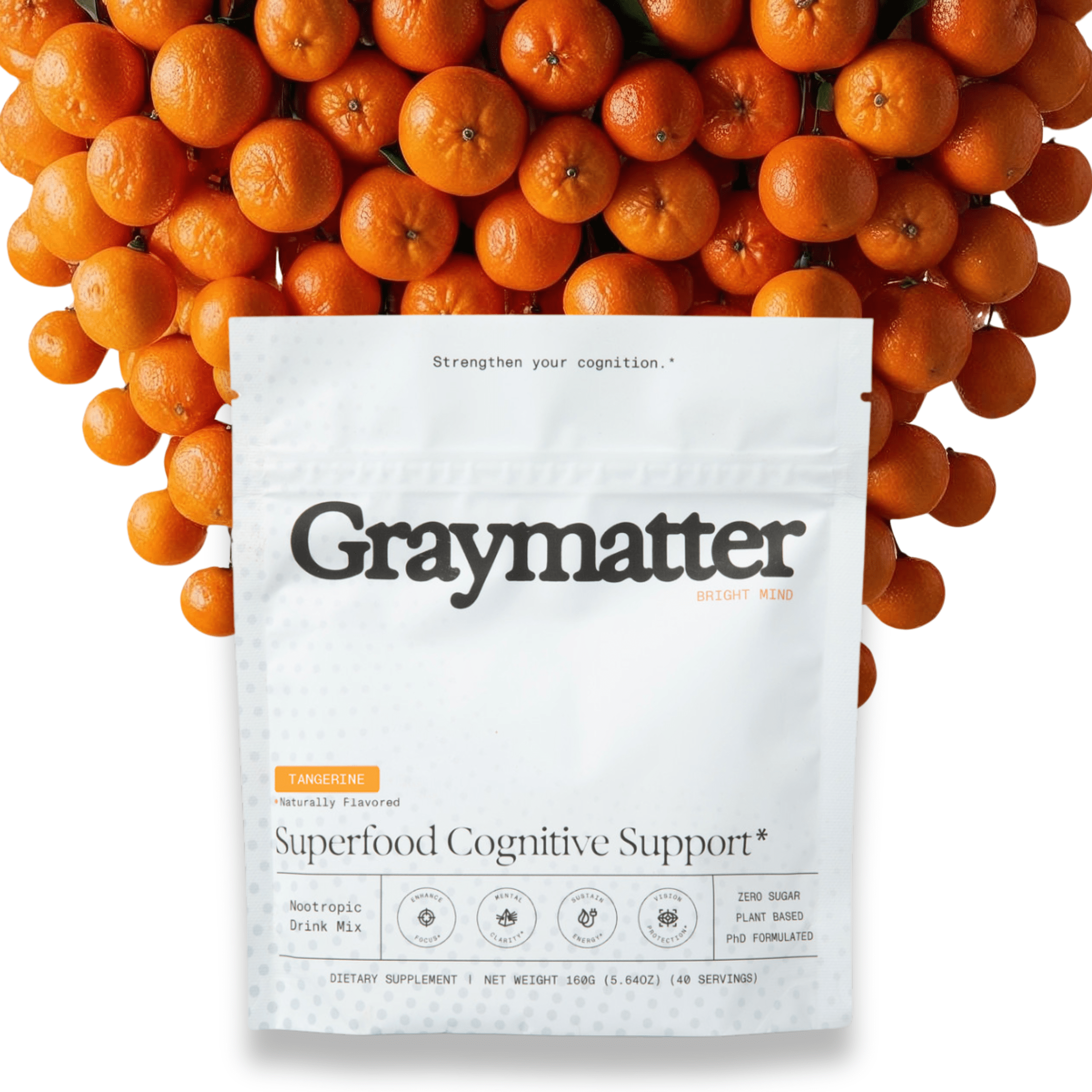
When choosing a supplement, look for formulas that combine these ingredients in research-backed doses. Bright Mind provides 500mg of L-Tyrosine, 300mg of Alpha GPC, 1500mg of Nitrosigine, and 100mcg of Huperzine A per serving.
Lifestyle Strategies for Cortisol Regulation
Nutritional support works best alongside lifestyle habits that directly address cortisol elevation and dopamine depletion.
-
Sleep as cortisol reset: Chronic sleep deprivation keeps cortisol elevated. Aim for 7-9 hours of quality sleep. Your body produces and regulates cortisol during sleep, making arest essential for dopamine regulation.
-
Movement without overtraining: Moderate exercise helps regulate cortisol. According to research published in the International Journal of Neuroscience, stress-reducing interventions decreased cortisol levels by 31% on average while simultaneously increasing dopamine levels by 31%. Listen to your body and prioritize recovery days.
-
Protein timing: Eating protein-rich meals earlier in the day provides the amino acids your brain needs for dopamine synthesis. Include eggs, fish, chicken, or legumes at breakfast and lunch.
-
Mindfulness: Even 10 minutes of daily meditation or deep breathing can help recalibrate your stress response system.
Recognizing When to Seek Support
Sometimes, motivation loss signals more than everyday stress. Consider professional support if you're experiencing:
-
Complete inability to feel pleasure or interest (anhedonia)
-
Motivation loss that persists despite lifestyle changes
-
Sleep disruption, appetite changes, or persistent fatigue
-
Thoughts of hopelessness or worthlessness
While nutrition and lifestyle changes help many people, clinical depression or anxiety disorders require professional treatment.
Understanding Your Recovery
Losing motivation to chronic stress doesn't mean you're weak or broken. Your brain is responding to prolonged cortisol elevation by down-regulating dopamine production as a protective mechanism.
Recovery requires addressing both sides: reducing cortisol through stress management and sleep, while supporting dopamine production through proper nutrition and targeted supplementation. Your drive didn't disappear overnight, and recovery takes patience.
Start with the foundations. Prioritize 7-9 hours of sleep, add protein to your morning meal, and incorporate moderate movement. For many people, adding targeted nutritional support helps accelerate recovery by providing the building blocks your brain needs to restore healthy dopamine levels.
Reclaim Your Drive
Losing motivation to chronic stress doesn't mean you're weak. Your brain is simply responding to prolonged cortisol elevation by reducing dopamine production. Recovery starts with understanding the connection, then supporting your brain with proper sleep, nutrition, and targeted supplementation.
Give your brain the building blocks it needs with Bright Mind to restore motivation naturally.
FAQs
Q1. How long does it take to restore motivation after chronic stress?
Most people notice improvements within 2-4 weeks of consistent stress management, nutritional support, and sleep optimization.
Q2. Can you have high cortisol and low motivation simultaneously?
Absolutely. Chronic cortisol elevation initially creates a weird feeling, but eventually leads to a blunted cortisol response and dopamine depletion.
Q3. What time of day is cortisol naturally highest?
Cortisol peaks 30-45 minutes after waking and gradually declines throughout the day.
Q4. Do nootropics actually help with stress-related motivation loss?
Quality nootropics with research-backed ingredients can support cortisol regulation while providing building blocks for dopamine synthesis.
Q5. Can high cortisol affect memory and focus beyond just motivation?
Yes. Chronically elevated cortisol impairs hippocampal function (memory formation) and prefrontal cortex activity (focus and decision-making).
Leave a comment