





You've probably heard someone call nootropics "smart drugs." And if you've ever considered taking one, the first question that crosses your mind is fair: Will I get hooked?
The short answer is that true nootropics, when used as directed, are generally not considered addictive. But the longer process involves an important distinction that most people miss, one between well-formulated plant-based supplements and prescription-grade stimulants that often get lumped under the same label.
So do nootropics cause dependency? Let's break that down clearly, because the answer depends entirely on what kind of "nootropic" is actually in the bottle.
What Exactly Are Nootropics?
The term "nootropic" was coined to describe compounds that support cognitive function without the harmful side effects of psychotropic drugs. The original criteria, set out to define a nootropic, included neuroprotective benefits, enhanced learning, and, crucially, the absence of typical drug-like side effects.
In practice, nootropics fall into two very different categories:
|
Natural Nootropics |
Prescription "Smart Drugs" |
|
Plant-based compounds (adaptogens, amino acids, herbal extracts) |
Prescription stimulants (amphetamine-based medications) |
|
Generally well-tolerated |
Known dependency and withdrawal risks |
|
Designed for daily cognitive support |
Primarily prescribed for clinical conditions |
|
Available without a prescription |
DEA Schedule II classification |
|
Neuroprotective over time |
Potential for cardiovascular and psychiatric side effects |
The confusion between the two categories is where most of the fear around nootropics and dependency begins.
Are Nootropics Addictive?
For natural, well-formulated nootropics, the answer is generally no. Ingredients like Rhodiola, Lion's Mane, Bacopa, and L-Theanine are not typically associated with addiction, tolerance, or withdrawal when used as directed. The bigger concern comes from prescription stimulants that are often mislabeled as nootropics.
According to the National Institute on Drug Abuse (NIDA), approximately 3.7 million Americans reported misusing prescription stimulants within a 12-month period [1]. Genuine plant-based nootropics do not fall into that category.
What Are the Side Effects of Nootropic Drugs?
Side effects vary widely depending on the type of nootropic and the quality of the formulation. Here's a general breakdown:
Common side effects of natural nootropics (usually mild):
- Headaches (often related to choline metabolism)
- Mild digestive discomfort
- Occasional restlessness if taken late in the day
Side effects with synthetic or prescription-based "nootropics":
- Increased heart rate and blood pressure
- Insomnia and sleep disruption
- Anxiety and mood swings
- Appetite suppression
- Dependency and withdrawal symptoms
The side effects of nootropic drugs become more concerning when users take unregulated doses, mix multiple compounds, or confuse prescription stimulants with dietary supplements. Stacking too many brain-active ingredients without understanding how each one works can also increase the chance of unwanted interactions.
A well-formulated, plant-based nootropic should not produce the harsh side effects associated with synthetic cognitive enhancers.
How to Spot a Safe Nootropic
Not every product labeled "nootropic" deserves that title. Here's what to look for:
- Transparent ingredient list: Every compound and dose should be visible on the label, not hidden behind a "proprietary blend."
- Research-backed ingredients: Compounds like Alpha GPC, Rhodiola, Bacopa, and Lion's Mane have peer-reviewed support for mental clarity and cognitive function.
- No prescription stimulants: If a product requires a prescription or makes extreme performance claims, approach with caution.
- Formulated at effective doses: Underdosed ingredients may be harmless but also useless. Proper formulations use clinically relevant amounts.
- PhD or expert involvement: Products formulated with input from scientists and biologists tend to reflect a more measured, evidence-based approach.
Can You Take Nootropics Every Day Without Risks?
Many natural nootropic ingredients are designed for consistent daily use. Adaptogens like Rhodiola and Ashwagandha, for example, may actually work better with regular intake because the effects build over time.
For daily use, a few best practices can help:
- Follow the recommended dose on the label
- Stick with plant-based, well-researched formulations
- Pay attention to how your body responds
- Consult a healthcare provider before combining supplements with medications
If a product causes tolerance buildup, meaning higher doses are needed to achieve the same effect, that's a signal worth paying attention to. True nootropics are typically designed for steady focus support without requiring escalation.
Bottom Line
So, do nootropics cause dependency? Not when the formulation is clean, plant-based, and used as directed. The confusion comes from prescription stimulants being mislabeled as nootropics. When choosing a cognitive supplement, the difference between a genuine nootropic and a synthetic "smart drug" is the difference between brain fog support and a dependency risk.
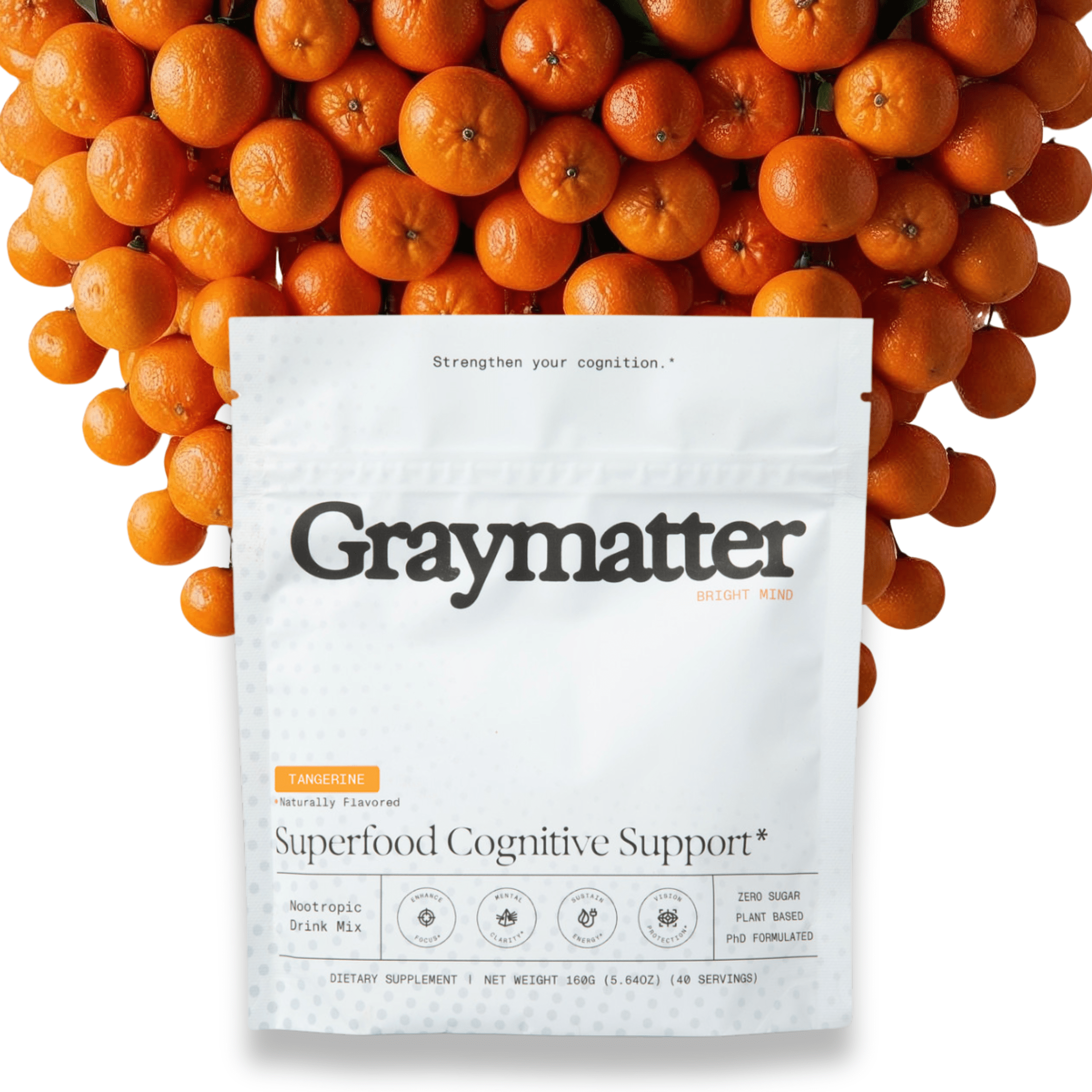
If you're looking for daily cognitive performance support without the crash or the worry, Graymatter Bright Mind is a plant-based drink mix with 27 active ingredients, including nootropics and adaptogens, formulated to support focus, reduce brain fog, and promote calm, sustained energy.
Compliance note: Graymatter Bright Mind is a dietary supplement that supports focus and cognitive function; not intended to diagnose, treat, or cure any medical condition. Please consult a healthcare provider regarding any treatment plan.
FAQs
Are nootropics safe to take every day?
Many natural nootropics are designed for daily use and are generally well-tolerated. Following recommended doses and choosing transparent, plant-based formulations may help support safe long-term use.
Can you become dependent on nootropics?
Genuine plant-based nootropics are generally not associated with chemical dependency. Dependency risks increase with synthetic stimulants or poorly formulated products mislabeled as nootropics.
What are the long-term side effects of nootropics?
Long-term data on most natural nootropics remains limited. Mild headaches and digestive discomfort are occasionally reported, but serious side effects are more common with synthetic compounds.
Which nootropics are safest to use long-term?
Ingredients like Rhodiola, Bacopa, Lion's Mane, Alpha GPC, and L-Theanine are among the most well-researched and generally considered safe for ongoing daily use.
Do nootropics affect dopamine levels?
Some nootropic ingredients may support healthy dopamine activity. Unlike prescription stimulants, well-formulated natural nootropics are not designed to flood the brain with dopamine.
Are "smart drugs" and nootropics the same?
No. True nootropics are natural supplements that support cognitive function. "Smart drugs" are prescription stimulants with known dependency and side effect risks.
Leave a comment