


Lion's mane mushroom has been getting a lot of attention lately, and not just because functional mushrooms are trending on social media. The real reason people keep coming back to lion's mane is a protein called nerve growth factor, or NGF, and the unique relationship the mushroom has with the way your brain maintains and repairs itself.
Here's what the research says about the lion's mane-NGF connection and why it matters for cognitive health.
What Is Nerve Growth Factor and Why Does the Brain Need NGF?
Nerve growth factor is a protein your body naturally produces to keep neurons healthy, support the growth of new nerve cells, and maintain communication between brain regions tied to memory and learning.
NGF is concentrated in the hippocampus and cerebral cortex. When levels decline with age, the brain may struggle to:
- Maintain synaptic connections between neurons
- Form new neural pathways in response to learning
- Protect existing nerve cells from oxidative damage
- Support the mental clarity and recall speed that tend to fade over time
In short, NGF helps your brain stay adaptable and resilient. The National Institute on Aging estimates that more than 6 million Americans aged 65 and older may have Alzheimer's, a condition closely linked to reduced NGF activity in the brain [1]. Even well before that stage, declining NGF may contribute to the sluggish recall and persistent brain fog many people associate with normal aging.
How Lion's Mane Stimulates NGF Production
Lion's mane mushroom (Hericium erinaceus) contains two groups of bioactive compounds that set the fungus apart from other functional mushrooms:
- Hericenones: Found in the fruiting body. May stimulate NGF production indirectly through peripheral pathways
- Erinacines: Found in the mycelium. Smaller molecules that may cross the blood-brain barrier and promote NGF synthesis directly in brain tissue
The lion's mane NGF connection is the main reason the mushroom has earned a reputation as the "smart mushroom." Rather than tweaking neurotransmitter levels, lion's mane targets the structural health of nerve cells, and structural support tends to compound over time with consistent use.
What Does Lion's Mane Mushroom Nerve Regeneration Look Like?
The phrase "lion's mane mushroom nerve regeneration" shows up frequently in health conversations, but setting expectations matters.
Here is what the current evidence suggests:
What lion's mane may support:
- Stimulating NGF production, which could help maintain and protect existing nerve cells
- Supporting neurite outgrowth (the branching extensions that neurons use to communicate)
- Reducing oxidative stress and inflammation that can damage nerve tissue over time
- Supporting memory, particularly in older adults experiencing mild cognitive changes
What lion's mane has not been proven to do in humans:
- Reverse established nerve damage or fully regenerate damaged peripheral nerves
- Replace medical treatment for conditions like peripheral neuropathy, multiple sclerosis, or traumatic brain injury
Beyond Nerve Health: Other Lion's Mane Benefits
Lion's mane is primarily known for NGF stimulation, but the mushroom offers additional properties worth noting.
- Antioxidant support: The polysaccharides and terpenoids in lion's mane may help protect cells from free radical damage
- Anti-inflammatory effects: May help reduce markers of chronic inflammation in the body and brain
- Gut health: Lion's mane contains prebiotic compounds that may support a healthy gut microbiome, which is closely connected to brain fog and mood regulation
- Mood support: Some evidence points to mild anxiolytic and mood-stabilizing effects with regular use
Best Mushroom for Nerve Pain: Is Lion's Mane the Answer?
When people search for the "best mushroom for nerve pain," lion's mane tends to top the list, and for valid reasons. No other functional mushroom has the same depth of research connecting the fungus to NGF stimulation and neurite outgrowth.
That said, lion's mane is not a painkiller. The mushroom's potential value for nerve-related discomfort lies in supporting the underlying health of nerve tissue, not in blocking pain signals directly.
For anyone dealing with persistent nerve pain, working with a healthcare provider remains essential. Lion's mane may serve as a complementary addition rather than a standalone solution, and the best results tend to come with consistent daily use over several weeks.
Common dosage ranges:
- Standardized extract: 500 to 1,000 mg daily
- Whole mushroom powder: 1,000 to 3,000 mg daily
- Duration for cognitive effects: 8 to 16 weeks of consistent use
A Mushroom Worth Watching
Lion's mane occupies a unique place in the nootropic world. Rather than tweaking neurotransmitter levels, the mushroom supports the structural foundation that makes healthy cognitive function possible. For anyone looking to support long-term brain health alongside daily focus, lion's mane is an ingredient worth paying attention to.
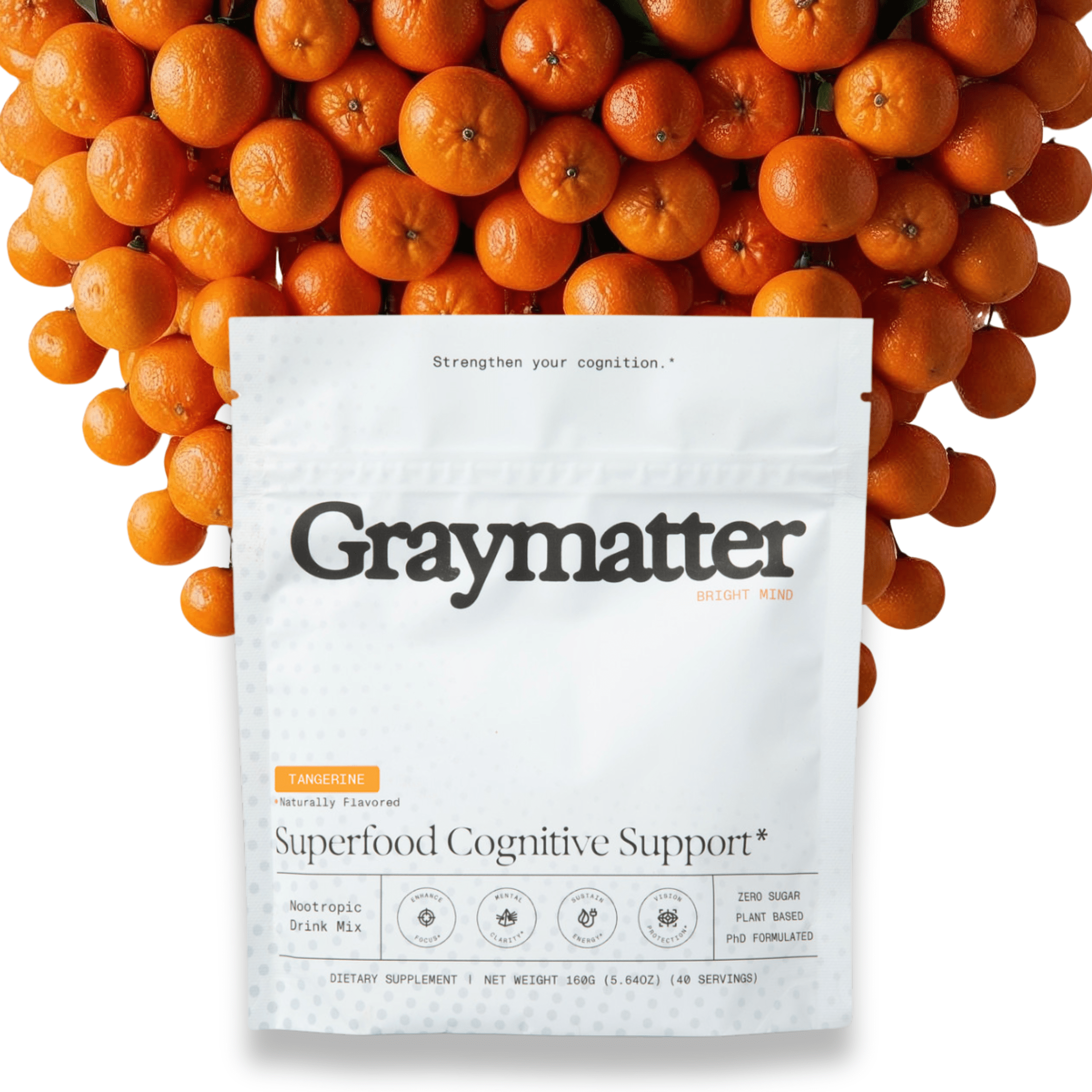
For a daily approach to cognitive support that goes beyond any single ingredient, Graymatter Bright Mind combines 27 plant-based ingredients, including nootropics and adaptogens, in one drink mix designed to support calm, focused energy throughout the day.
Compliance note: Graymatter Bright Mind is a dietary supplement that supports focus and cognitive function; not intended to diagnose, treat, or cure any medical condition. Please consult a healthcare provider regarding any treatment plan.
FAQs
Does lion's mane really regenerate nerves?
Lion's mane contains compounds that may stimulate nerve growth factor production, supporting the maintenance and growth of nerve cells. Full nerve regeneration in humans has not been confirmed yet.
Can lion's mane reverse nerve damage?
Current evidence does not support lion's mane as a treatment for established nerve damage. The mushroom may help protect existing nerve cells, but reversing damage requires medical evaluation and care.
How long does lion's mane take to work on nerves?
Most cognitive benefits appear after 8 to 16 weeks of consistent daily use. Subtle improvements in clarity and mood may emerge earlier, but structural nerve support takes longer to develop.
What is the best mushroom for nerve repair?
Lion's mane is the most researched mushroom for nerve-related benefits due to the unique ability of hericenones and erinacines to stimulate NGF production. No other mushroom has comparable evidence.
How much lion's mane should I take for nerve pain?
Common dosages range from 500 to 1,000 mg of standardized extract daily. Lion's mane may support nerve health rather than directly relieve pain. Consulting a healthcare provider is recommended.
Can lion's mane help with brain fog?
Lion's mane may support mental clarity and reduce brain fog over time through NGF stimulation and neuroprotective effects. Consistent daily use for several weeks is typically needed for noticeable results.
[1] National Institute on Aging. "Alzheimer's Disease Fact Sheet." NIA, NIH.
Leave a comment