





You've probably seen the ads. "Train your brain in just 5 minutes a day!" "Boost your IQ with our scientifically-proven games!" It sounds convincing.
You might be sitting at your desk, struggling to focus, or forgetting small things more often than usual. Trying a brain training app feels like an easy fix, but the real question is whether those quick games translate into meaningful improvements in daily life.
The Truth About Brain Training Apps Nobody Wants You to Know
Consider this: someone spends six months consistently playing a popular brain training app every morning. Their scores improve dramatically, and they become highly skilled at the games. But when it comes to real-world performance, focus during meetings or productivity at work, there’s little to no noticeable change.
Why? Because getting better at brain games is similar to improving at video games. The skill becomes specific to that activity, without transferring meaningfully to everyday cognitive tasks.
What Science Really Says About Cognitive Training Apps
 Here's what peer-reviewed studies actually show about brain games:
The Good News
-
You will get better at the specific games you play
-
Older adults might see some modest benefits
-
The apps can be fun and engaging
The Bad News
-
Improvements rarely transfer to real-world tasks
-
No evidence of IQ increases
-
Limited impact on memory improvement outside the app
-
Virtually no effect on ADHD symptoms
A major study in The Lancet Psychiatry found that while people improved at the training tasks, these gains didn't translate to better cognitive function in daily life.
Why Brain Training Apps Fail (And What Actually Works)

Cognitive training apps fail because they're treating symptoms, not causes. It's like trying to fix a car's engine by polishing the hood.
Your brain's performance depends on:
-
Neurotransmitter balance
-
Blood flow to the brain
-
Cellular energy production
-
Nutrient availability
No amount of matching colored shapes on your phone addresses these fundamentals.
A Different Approach: Supporting Your Brain's Chemistry
Research into alternatives to brain training highlights compounds that support brain function at a cellular level. These include nutrients and bioactive compounds that work with natural processes related to memory, focus, and mental performance.
Unlike digital brain workouts, quality nootropics work with your brain's natural chemistry. For example, compounds like Alpha GPC support acetylcholine production – crucial for memory and learning. L-Tyrosine provides the building blocks for dopamine, essential for focus improvement.
The Real Cost of Quick Fixes
Prescription stimulant use has increased 58% over the past decade, with some research linking long-term use to higher cardiovascular disease risk by 27%.
The growing demand for cognitive enhancement often pushes people toward quick fixes, even when they come with trade-offs. In contrast, plant-based energy sources like Korean matcha and guarana can provide more stable focus without the sharp spikes and crashes associated with stimulants.
Building a Brain Health Routine That Actually Works
After years of trial and error, here's what works:
Morning Routine
Start with proper nutrition to support brain function. A balanced combination of nootropics, adaptogens, and plant-based energy sources can help set a steady foundation for focus and mental clarity.
Throughout the Day
-
Take walking breaks (movement increases BDNF)
-
Stay hydrated
-
Limit screen time (Americans average 7+ hours daily!)
-
Practice single-tasking instead of multitasking
Evening Wind-Down
Skip the brain games. Instead, read a book, have a real conversation, or practice a hobby that engages multiple senses.
Special Considerations for Different Needs
For Students and Professionals
If you're grinding through long study sessions or work projects, you need sustained energy and focus. The combination of Nitrosigine for blood flow and adaptogens like Rhodiola can help maintain performance without the jitters.
For Gamers and Creatives
Research on nootropics for gamers shows specific compounds can improve reaction time and decision-making. Ingredients like L-tyrosine, citicoline, and L-theanine (often paired with caffeine) are commonly associated with improved focus, processing speed, and mental endurance.
For Those with ADHD
While brain games show minimal benefit for ADHD, certain natural compounds show promise. L-Tyrosine research indicates significant improvements in working memory and attention.
The Hidden Factor: Vision and Cognitive Performance
Here's something mental fitness apps completely ignore- visual fatigue directly impacts cognitive performance. With our 7+ hour daily screen time, our eyes are exhausted, making focus nearly impossible.
Smart formulations now include vision support ingredients like Lutein and Zeaxanthin alongside brain-boosting compounds. It's a holistic approach that addresses modern lifestyle challenges.
Your Action Plan
-
Stop relying solely on apps: Use them for entertainment, not as your primary cognitive enhancement strategy
-
Address root causes: Support your brain's chemistry with proper nutrition
-
Create sustainable habits: Small daily actions compound over time
-
Track real-world improvements: Notice changes in work performance, not game scores
The Bottom Line on Cognitive Training Apps
Brain training apps can be engaging, but their benefits often stay limited to the games themselves. Real improvements in focus and mental clarity tend to come from supporting the brain through consistent, everyday habits.
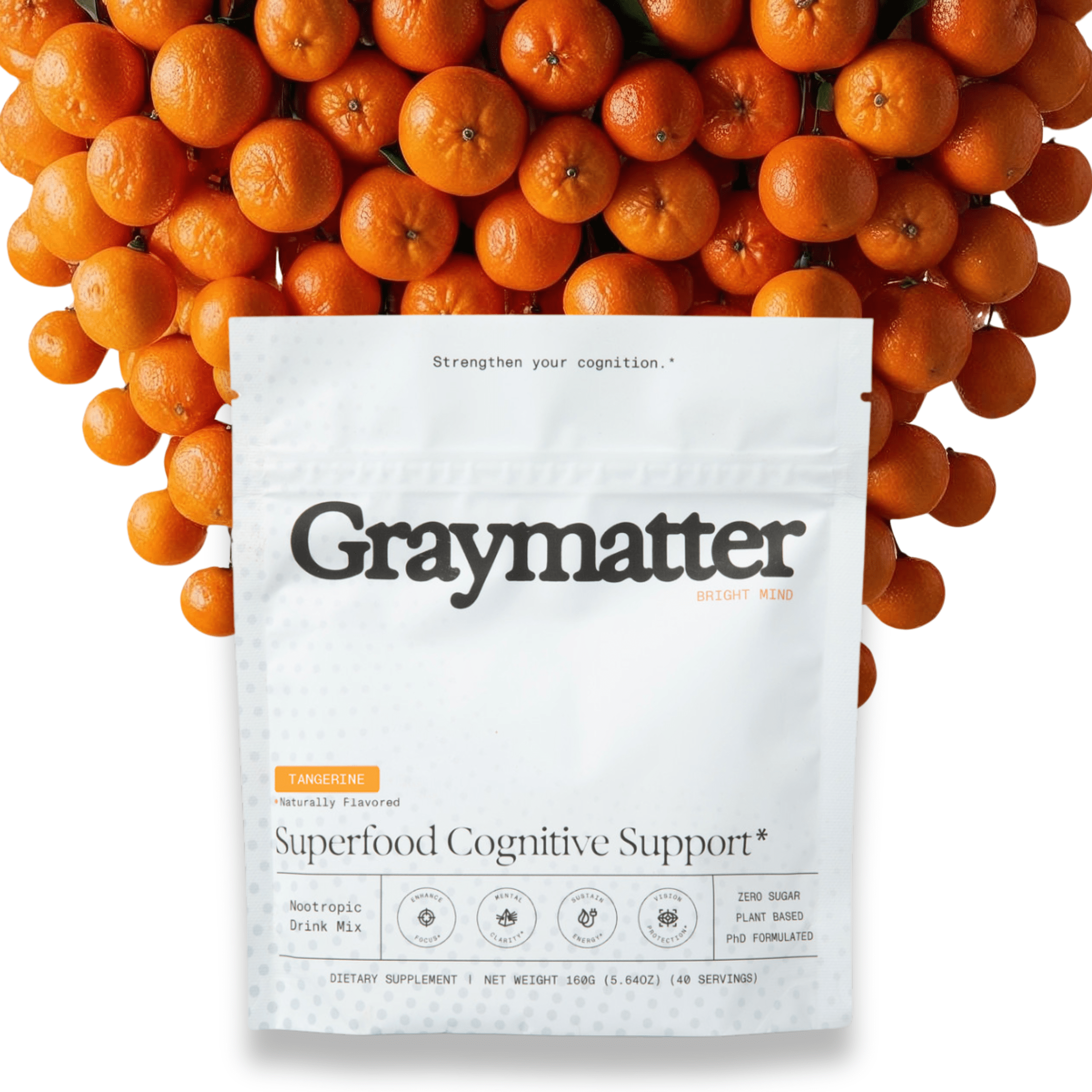
Sleep, movement, balanced nutrition, and structured routines form the foundation of cognitive performance. For those building a steady routine, Graymatter Bright Mind can be an easy addition alongside these habits to support focus and mental clarity day to day.
Frequently Asked Questions
What percentage of people see real benefits from brain training apps?
Studies suggest only 10-20% experience modest improvements, primarily in the specific tasks practiced.
How long should I try cognitive training before expecting results?
Research indicates 8-12 weeks of consistent use, though transfer to real-world skills remains limited.
Are paid brain training apps better than free ones?
No significant difference in effectiveness exists between paid and free versions, according to research.
Can brain training apps prevent dementia?
Current evidence doesn't support apps preventing dementia, though staying mentally active through various means may help.
What's the most effective alternative to brain training apps?
Combining physical exercise, social engagement, and nutritional support shows the most promise for cognitive enhancement.
Compliance note: Graymatter Bright Mind is a dietary supplement that supports focus and cognitive function; not intended to diagnose, treat, or cure any medical condition. Please consult a healthcare provider regarding any treatment plan.
Bibliography
-
Simons DJ, Boot WR, Charness N, et al. "Do 'Brain-Training' Programs Work?" The Lancet Psychiatry, 2018. https://www.thelancet.com/journals/lanpsy/article/PIIS2215-0366(18)30269-4/fulltext
-
National Center for Biotechnology Information. "Physical Activity and Brain Health." NCBI Bookshelf, NBK69423. https://www.ncbi.nlm.nih.gov/books/NBK69423/
-
Stricker NH, Lundt ES, Albertson SM, et al. "Diagnostic and Prognostic Accuracy of the Cogstate Brief Battery and Auditory Verbal Learning Test." PubMed, 2002. https://pubmed.ncbi.nlm.nih.gov/12352269/
-
Sibley BA, Beilock SL. "Exercise and Working Memory: An Individual Differences Investigation." Journal of Sport and Exercise Psychology, 2024. https://www.sciencedirect.com/science/article/pii/S0890856724003046
-
Cognitive Training and Brain Health. "Expert Review of Neurotherapeutics." Taylor & Francis Online, 2024. https://www.tandfonline.com/doi/full/10.1080/14737175.2024.2321921
-
Spencer T, Biederman J, Wilens T. "Comparative Efficacy of Adderall and Methylphenidate." Journal of Clinical Psychopharmacology, 2002. https://journals.lww.com/psychopharmacology/fulltext/2002/10000/comparative_efficacy_of_adderall_and.5.aspx
-
International Journal of Neuropsychopharmacology. "Cognitive Enhancement Strategies." Oxford Academic, 2002. https://academic.oup.com/ijnp/article-pdf/5/2/121/2029657/5-2-121.pdf
Leave a comment