


Every morning starts with a string of choices. What to wear, what to eat, which email to open first, and which task to prioritize. Most feel small and harmless. But each one draws from the same limited pool of mental energy.
And somewhere around mid-afternoon, you notice the tank is running low. Simple decisions feel heavy. Complex ones get postponed. You say yes to things you'd normally push back on, or you default to whatever requires the least thought. That pattern has a name: decision fatigue.
Here’s how to reduce the overload and make decision-making at work feel clearer and faster.
What Is Decision Fatigue?
Decision fatigue is the gradual decline in decision quality after a long session of decision-making. The brain's capacity for sound judgment is finite, and each choice, however small, draws from the same limited reserve.
A concept analysis estimates that the average American adult makes approximately 35,000 decisions per day [1]. Most are automatic, but the cumulative effect chips away at cognitive function, leaving less capacity for the ones that actually matter.
How Does Decision Fatigue Show Up at Work?
The symptoms are easy to mistake for laziness, lack of motivation, or burnout. But decision fatigue has a distinct pattern.
- Indecision: Staring at an email for 10 minutes without responding
- Impulsive choices: Saying yes to a request just to avoid thinking through the trade-offs
- Avoidance: Postponing complex tasks in favor of easy, low-impact ones
- Irritability: Shorter patience with colleagues during afternoon meetings
- Default thinking: Choosing the safest or most familiar option regardless of quality
- Brain fog: Difficulty holding multiple ideas or variables in mind at once
The common thread: decision quality drops as the day progresses. Morning clarity gives way to afternoon autopilot.
How to Avoid Decision Fatigue: 6 Practical Strategies
Knowing how to get over decision fatigue starts with removing unnecessary decisions and protecting mental energy for the ones that count.
1. Front-Load High-Stakes Decisions
Make the most important decisions of the day in the first 2 to 3 hours, when mental clarity and willpower are highest. Save routine, low-stakes tasks for the afternoon.
2. Automate and Standardize Repetitive Choices
The fewer decisions you need to make, the more capacity remains for meaningful ones. Standardize recurring choices:
- Pre-plan meals for the work week
- Use templates for regular emails, reports, and meeting agendas
- Set default meeting lengths and times
- Create checklists for repeatable workflows
3. Batch Decisions Into Windows
Rather than addressing decisions as soon as an issue comes up, batch similar decisions into dedicated time blocks. Respond to emails in 2 to 3 windows. Review approvals once per day. Group scheduling into one session.
4. Use a Decision Framework
When facing complex choices, a simple framework reduces cognitive load.
|
Framework |
How It Works |
Best For |
|
Eisenhower Matrix |
Sort tasks into urgent vs. important |
Prioritizing work quickly |
|
10/10/10 Rule |
Ask how you'll feel about the decision in 10 minutes, 10 months, and 10 years |
Long-term or emotionally charged decisions |
5. Delegate With Clear Boundaries
Decision-making at work doesn't have to sit on one person's shoulders. Defining clear decision rights, where team members are empowered to decide within a set scope, reduces volume and builds team ownership.
6. Protect Recovery Between Blocks
Short breaks between decision-heavy tasks help the brain reset. A 10-minute walk, controlled breathing, or simply stepping away from the screen allows cognitive resources to partially recharge. Skipping recovery accelerates depletion.
Why Do Some People Hit the Wall Faster?
Not everyone experiences decision fatigue at the same rate. Several factors influence how quickly the tank drains.
Volume of Decisions
Managers, founders, and professionals in client-facing roles make more decisions per hour than most. The higher the volume, the faster the depletion.
Emotional Complexity
Decisions that involve people, conflict, or uncertainty require more mental energy than straightforward operational choices. A staffing decision drains more than a scheduling one.
Lack of Systems
Without clear frameworks, routines, or delegation structures, every decision starts from scratch, requiring full cognitive engagement each time.
Poor Sleep and Nutrition
Sleep deprivation and blood sugar instability both reduce the brain's baseline decision-making capacity. Starting the day already depleted makes the decline steeper and faster.
Can Routines Really Protect Against Decision Fatigue?
Yes. Routines convert repeated decisions into automatic behaviors, preserving cognitive resources for novel or complex choices.
- A consistent morning sequence removes 10+ micro-decisions before work begins
- Pre-planned meals and outfits eliminate daily friction
- A standardized work-startup routine (same first task, same email window) anchors focus early
High performers, from athletes to executives, credit simplified routines as a quiet but powerful productivity strategy. The value isn't in the routine. The value is in what the routine protects.
Final Takeaway
Decision fatigue is not a character flaw. The condition is a predictable consequence of how the brain manages cognitive resources. Fortunately, how to avoid decision fatigue is largely within your control. Front-load the hard decisions, automate the small ones, build routines, and protect recovery time throughout the day.
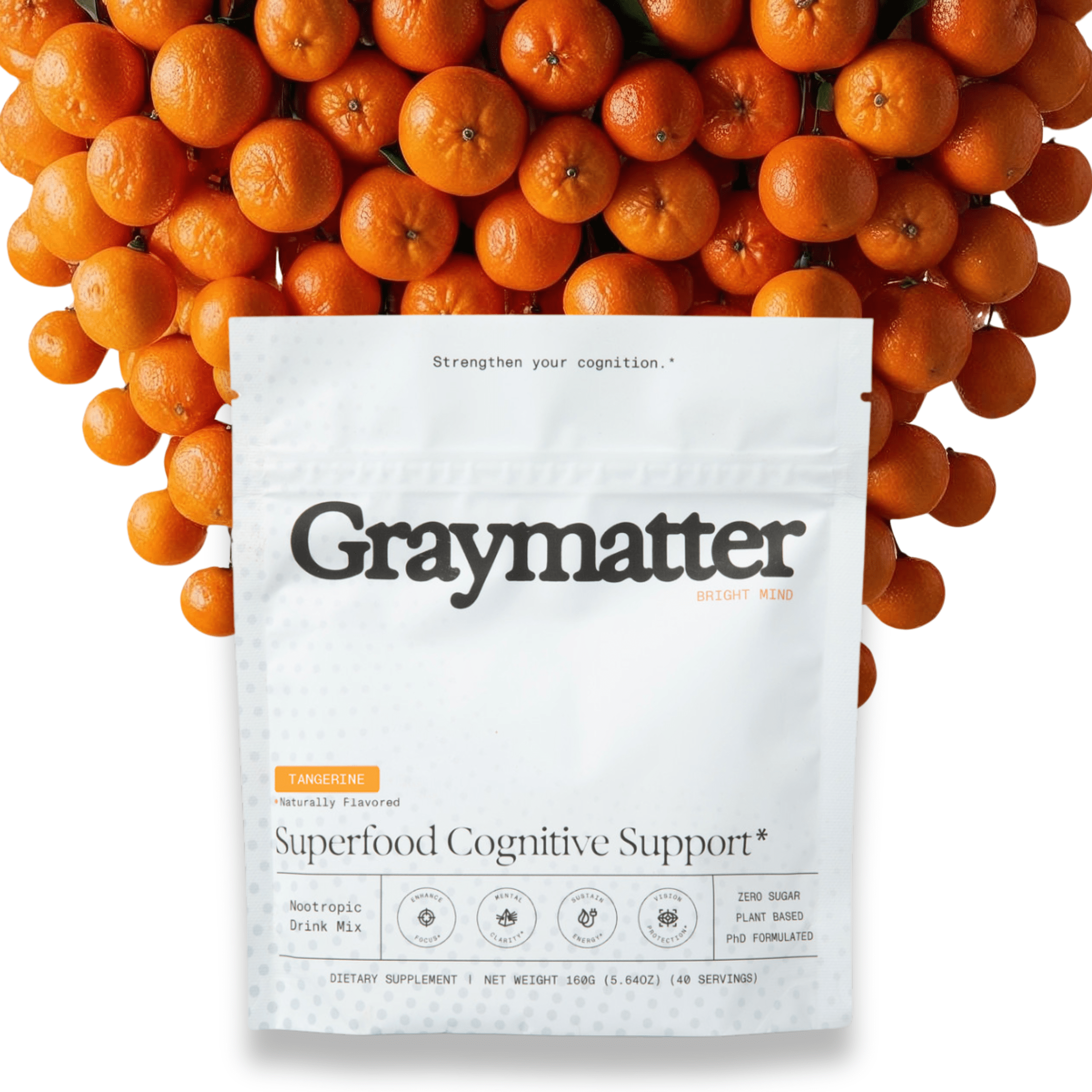
If you are looking to support daily cognitive performance alongside better decision-making habits, Graymatter Bright Mind offers a plant-based blend of nootropics and adaptogens designed for calm, sustained mental energy. It is exactly the kind of support that keeps decision quality steady when the afternoon demands keep coming.
Compliance note: Graymatter Bright Mind is a dietary supplement that supports focus and cognitive function; not intended to diagnose, treat, or cure any medical condition. Please consult a healthcare provider regarding any treatment plan.
Frequently Asked Questions
What is decision fatigue, and how does the condition affect productivity at work?
Decision fatigue is the decline in decision quality after prolonged decision-making. At work, the condition causes indecision, impulsive choices, avoidance of complex tasks, and lower overall output.
How can simplifying daily choices reduce decision fatigue and stress?
Standardizing meals, clothing, meeting formats, and email routines removes dozens of micro-decisions from each day. The saved cognitive energy carries forward into higher-stakes work decisions.
What are practical ways to structure your workday to avoid afternoon decision burnout?
Front-load important decisions in the morning, batch email and approvals into set windows, delegate within clear boundaries, and schedule short recovery breaks between decision-heavy blocks.
Can habits and routines really protect the brain from constant decision-making?
Yes. Routines convert repeated decisions into automatic behaviors, preserving cognitive resources for novel or complex choices. Consistent morning and work-startup routines are especially effective.
Are there supplements or lifestyle changes that help with chronic decision fatigue?
Quality sleep, balanced nutrition, regular exercise, and stress management form the foundation. Nootropic supplements containing adaptogens and plant-based energy may further support sustained mental clarity.
Is decision fatigue the same as burnout?
No. Decision fatigue is a daily cognitive depletion that can be managed with structure and recovery. Burnout is a chronic condition involving emotional exhaustion, detachment, and reduced performance over time.
Leave a comment