


Cognitive enhancing or so-called smart drugs or nootropics are the current in-thing sought after by people. These substances, whose primary objective is to improve cognitive function, are used to sharpen one's memory and stay focused, offering users an advantage over others as far as mental acuteness goes.
As the spectacle of nootropics shows how compelling they are, it is logical to say that the sprinkling of dust over them is the fact associated with their legal status on the global front. Furthermore, this article intends to dispassionately present the legal premise for nootropics, summarized perhaps as a ready-to-digest compilation of dos and don'ts in your brain.
We will establish an understanding of the worldwide distribution pattern of various types of nootropics and the consequences for voluntary practitioner application, as well as for prejudiced competitive applications. We will conclude the debate by offering some interesting insights into the parameters set out in order to determine whether the drugs are legally acceptable in enhancing cognitive accessibility.
Section 1: Understanding Nootropics
What are Nootropics?
-
Nootropics are chemical compounds that enhance cognitive abilities and include memory, creativity, and focus. They include three main types of materials:
-
Dietary Supplements: These are usually natural compounds kept pure from plants or other resources, such as Ginkgo biloba, Bacopa monnieri, and Rhodiola rosea. These supplements for cognition are promoted frequently and are abundantly obtainable.
Common Examples of Nootropics
Some widely recognized nootropics include:
-
Piracetam: One of the first synthetic nootropics, piracetam is believed to enhance memory and cognitive function.
-
Caffeine: A well-known stimulant found in coffee and tea, caffeine is often considered a nootropic due to its ability to enhance alertness and concentration.
-
L-Theanine: Commonly found in tea, L-Theanine is known for its calming effects and is often used in combination with caffeine to promote focus without the jitters.
Section 2: Legal Status of Nootropics
Regulatory Variabilities Throughout the World
The regulatory status of different countries toward nootropics differs significantly. While some substances are unregulated or freely available in some countries, they are heavily regulated or even banned in other countries. It is, therefore, important to be aware of these to make a more informed decision, especially for interested consumers.
Some Geographic Differences
-
U.S: In the United States, nootropics fall primarily into the category of dietary supplements. As such, they are not strictly regulated as those who would fall under prescription drugs. Therefore, the United States Food and Drug Administration (FDA) does not test and green-light dietary supplements in terms of safety and effectiveness. Thus, complete safety is not ensured.
-
EU: The EU, clearly, possesses more stringent laws related to nootropics. Comparatively, many of them, already available in the US as dietary supplements, demand a prescription in EU countries. For instance, in several EU nations, piracetam is controlled under a doctor's prescription.
-
Australia: In Australia, the Therapeutic Goods Administration (TGA) establishes regulations for nootropics being either prescription medicines or dietary supplements, with many of the racetams being prohibited from use, for example, just like piracetam, bearing the prescription-only classification.
Examples of the legal and illegal forms of nootropics in different parts of the world
-
Piracetam: Piracetam is widely available as a prescription medicine in the European Union (EU) and Australia, but it is not fully legal in the United States.
-
Modafinil: Modafinil, being a prescription/open-label drug in the EU and available only by prescription in the U.S., is well-known as a potent nootropic.
-
Caffeine: Caffeine is widely available in numerous products, such as coffee, tea, and as a supplement, and so far has garnered legal approvals for use all over the world.
-
Bacopa Monnieri: The dietary supplement Bacopa generally enjoys legality in the EU and the US, known to have nootropic effects.
Nootropics within the United States
In the U.S., the regulatory environment for nootropics is intricate. The FDA oversees dietary supplements under the Dietary Supplement Health and Education Act (DSHEA) of 1994, permitting producers to promote supplements without obtaining prior FDA approval.
FDA Rules and Recommendations
The FDA does not require pre-approval for dietary supplements, as these products are regulated post-market under the Code of Federal Regulations (CFR). Key safety factors include:
(1) production in Good Manufacturing Practices (GMP)-certified facilities, verified by third-party auditors like Eurofins, and
(2) avoidance of restricted or advisory-listed substances. The FDA emphasizes GMP compliance to ensure quality and safety, while manufacturers must self-certify ingredient safety and avoid prohibited components.
Instances of Non-Approved Medications Sold as Supplements
Numerous nootropic items have faced criticism for including unauthorized substances or making unsupported assertions. Shoppers need to be cautious and investigate items carefully before buying.
Consequences for Manufacturers and Consumers
Manufacturers that violate FDA regulations may face legal consequences, including fines and product recalls. For consumers, using unapproved or misbranded nootropics can pose significant health risks, underscoring the importance of choosing reputable brands that prioritize quality and transparency.
Section 3: Nootropics and Sports Regulations
Concerns About Doping
For athletes, the utilization of nootropics brings considerable worries about doping and equitable competition. Numerous nootropic substances, especially stimulants and specific synthetic compounds, are banned by sports bodies like the World Anti-Doping Agency (WADA).
Nootropics Banned by Athletic Associations
WADA keeps a list of banned substances that athletes must follow to ensure fair competition. Certain nootropics, such as specific stimulants, are prohibited because they may boost performance in an unfair manner. Athletes should be wary about using nootropics, as the repercussions of consuming a prohibited substance can be serious.
Examination of the Consequences for Athletes
The consequences for athletes utilizing nootropics can be significant. They can face disciplinary measures from sports organizations and may also endanger their careers and reputations. Athletes ought to seek guidance from sports governing authorities and healthcare experts prior to utilizing any cognitive enhancers.
Section 4: Safety and Efficacy
Dangers Linked to Nootropic Consumption
Although nootropics may provide cognitive advantages, they also carry possible risks and side effects. Grasping these risks is crucial for anyone thinking about using nootropics.
Possible Side Effects and Long-Term Safety Issues
Infrequent typical side effects linked to nootropic use encompass headaches, sleep disturbances, gastrointestinal problems, and alterations in mood. There is a lack of extensive safety data for numerous nootropic substances, which raises worries regarding possible long-term health implications.
Significance of Seeking Advice from Healthcare Experts Prior to Use
It is crucial to seek advice from a healthcare professional before using any nootropic. They can offer tailored guidance considering specific health issues, medications, and possible interactions.
Unverified Assertions and Promotion Concerns
The nootropic industry is filled with deceptive marketing and unverified assertions. Numerous companies overstate the advantages of their products without adequate scientific proof to support their claims. Shoppers need to be wary of items that assert strong promises without scientific support.
Conclusion
The legal status of nootropics is not one-size-fits-all. It varies by ingredient, country, and how the product is classified, which makes it important to stay informed before making any decisions. Understanding the difference between prescription compounds and widely available dietary ingredients helps set realistic expectations around both access and use.
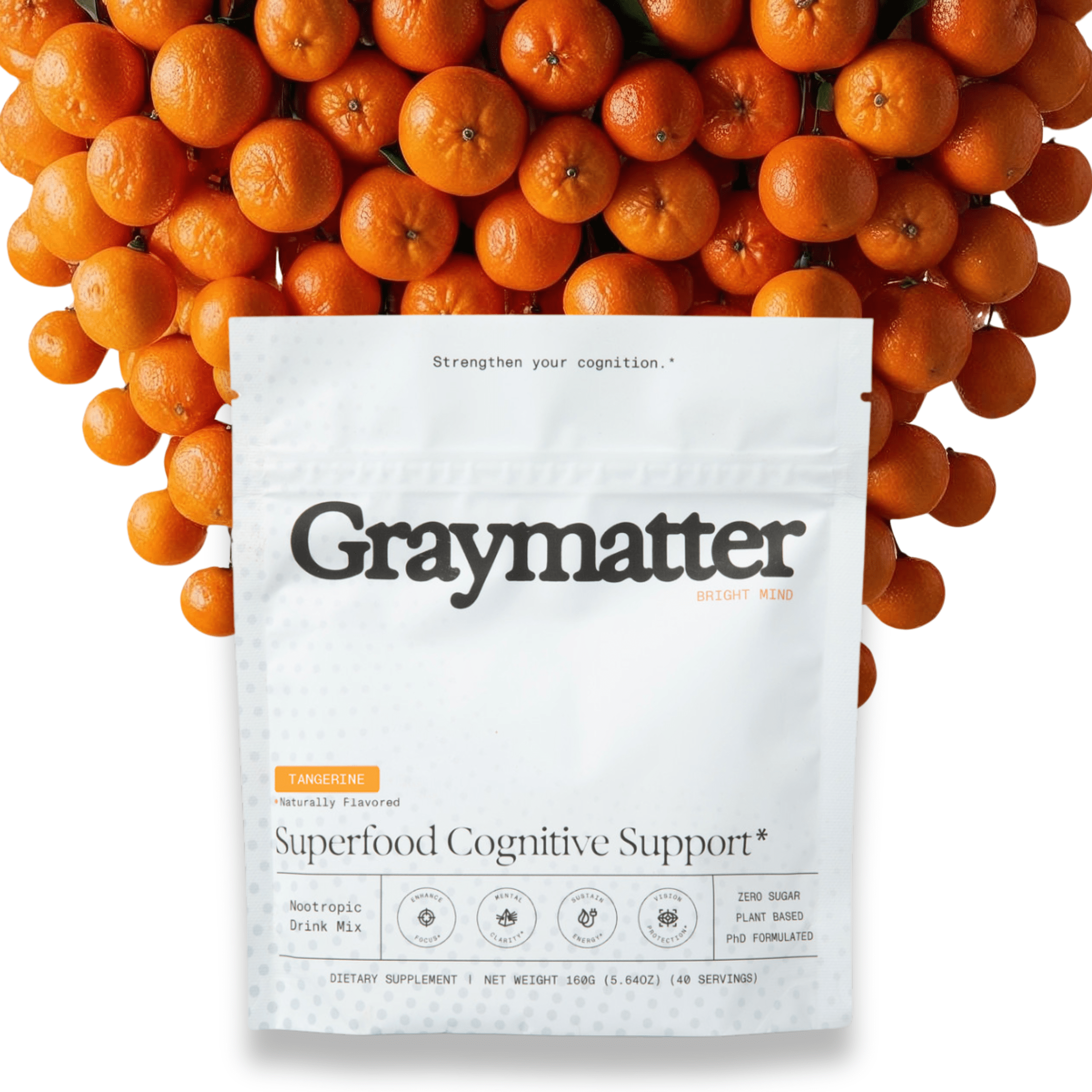
A more grounded approach is to focus on transparency, quality, and how something fits into your daily routine. Alongside habits like sleep, nutrition, and stress management, Graymatter Bright Mind can be part of that broader system, supporting clarity in a way that stays aligned with responsible, everyday use.
FAQ
Are all nootropics illegal?
No, not all nootropics are illegal. The legality depends on the specific substance and the country you're in. Some nootropics, like caffeine and L-theanine, are widely legal, while others may be prescription-only or banned.
Can I buy nootropics over the counter?
It depends on the specific nootropic and your location. In some countries, certain nootropics are available over the counter as dietary supplements. However, always check your local regulations and consult with a healthcare professional before purchasing.
What are the risks of using nootropics?
Nootropics can cause side effects like headaches, insomnia, and digestive issues. Some may also interact with medications or have unknown long-term effects. It's crucial to research the safety profile of any nootropic and consult with a doctor before use.
Are prescription nootropics safer than dietary supplements?
Prescription nootropics undergo more rigorous testing and regulation compared to dietary supplements. However, they can still have side effects and may not be suitable for everyone. Dietary supplements can be safe and effective when produced by reputable companies that prioritize quality and transparency.
How can I ensure the nootropic I choose is legal and safe?
Research the specific laws in your country regarding the nootropic you're interested in. Choose products from trusted brands that conduct
Compliance note: Graymatter Bright Mind is a dietary supplement that supports focus and cognitive function; not intended to diagnose, treat, or cure any medical condition. Please consult a healthcare provider regarding any treatment plan.
Leave a comment