


When was the last time you read an entire page without your mind drifting somewhere else?
You used to breeze through your to-do list without a second thought. Now, staying locked in for more than 20 minutes feels like a task. Maybe conversations need a bit longer to process, or the same paragraph needs three reads before it actually sinks in.
None of that means something is wrong. Your brain changes as you age, but it also has an incredible ability to adapt, rewire, and build new connections when given the right support. So if you have been feeling a little foggier, a little slower to recall names or details, this blog tells you what you can do about it.
Why Focus and Memory Shift with Age?
Getting older does not mean your brain stops working. What changes is how efficiently it processes and stores information.
Wear and Tear Over Time
Years of stress, inflammation, and minor blood vessel changes affect how your brain processes information. The hippocampus, which plays a big role in memory, can gradually shrink. Conditions like high blood pressure and poor sleep can speed that up, making cognitive decline feel more noticeable.
Information Overload
Between phones, emails, and screens everywhere, your brain filters more input than ever. When too much comes in at once, focusing on any single task becomes a real challenge.
Simple Ways to Keep Your Mind Sharp
You do not need a complicated lifestyle overhaul. A few small, repeatable habits can go a long way toward keeping your brain in good shape.
Move Your Body Regularly
Physical activity raises blood flow to the brain, which may help keep memory and thinking skills intact. Federal guidelines recommend at least 150 minutes of moderate activity per week, and walking is the easiest way to start [1].
-
Aim for 30 minutes of movement on most days
-
Brisk walking, cycling, or swimming all count
-
Short 10-minute walks throughout the day add up
Get 7-8 Hours of Quality Sleep
Sleep is when your brain clears out waste and consolidates what you learned during the day. Poor or restless sleep can leave you feeling foggy and forgetful. The connection between sleep and dopamine regulation also affects how alert you feel each morning.
-
Stick to a consistent sleep schedule
-
Limit screens before bed
-
Keep your bedroom cool and dark
Challenge Your Brain with New Activities
Novelty keeps your brain engaged. Picking up a new skill, solving puzzles, or learning an instrument can all help stimulate neural connections and keep your thinking flexible.
-
Try puzzles, strategy games, or crosswords
-
Pick up a new hobby or language
-
Read across different topics regularly
Lifestyle Habits That Protect Your Brain
Daily routines shape your brain health more than any single supplement or hack. A few broader habits may offer real, lasting support.
Eat a Brain-Friendly Diet
Loading up on fruits, vegetables, whole grains, and lean proteins gives your brain the raw materials it needs. Cutting back on processed foods and excess sugar may also reduce brain fog and energy crashes throughout the day.
Stay Socially Connected
Loneliness can quietly chip away at cognitive health. A study of participants aged 65 and older found that high social engagement, including neighbor visits and volunteering, was associated with better cognitive health [1]. Even brief daily interactions can make a difference.
Manage Stress Early
Chronic stress floods your body with cortisol, which may impact the hippocampus over time. Meditation, deep breathing, or simply spending time outdoors can help. Understanding the dopamine and focus connection can also help you build better routines.
Small Daily Practices That Add Up
Big results often come from the smallest adjustments. A few tweaks to your daily routine can quietly sharpen your recall and attention over time.
-
Focus on One Thing at a Time:
Multitasking splits your attention and makes encoding information harder. Give tasks your full focus, and paraphrase what you hear to lock it in.
-
Use Simple Memory Tools:
Calendars, to-do lists, and keeping items in the same spot each day frees up cognitive energy. Pairing these habits with brain-supporting nutrients like choline and omega-3s can further support everyday recall and mental clarity.
The Bottom Line
Aging changes your brain, but it does not get to decide how sharp you stay. Movement, quality sleep, real food, strong relationships, and daily mental challenges all stack up over time. No single habit is a silver bullet, but together they create an environment where your brain can keep doing what it does best.
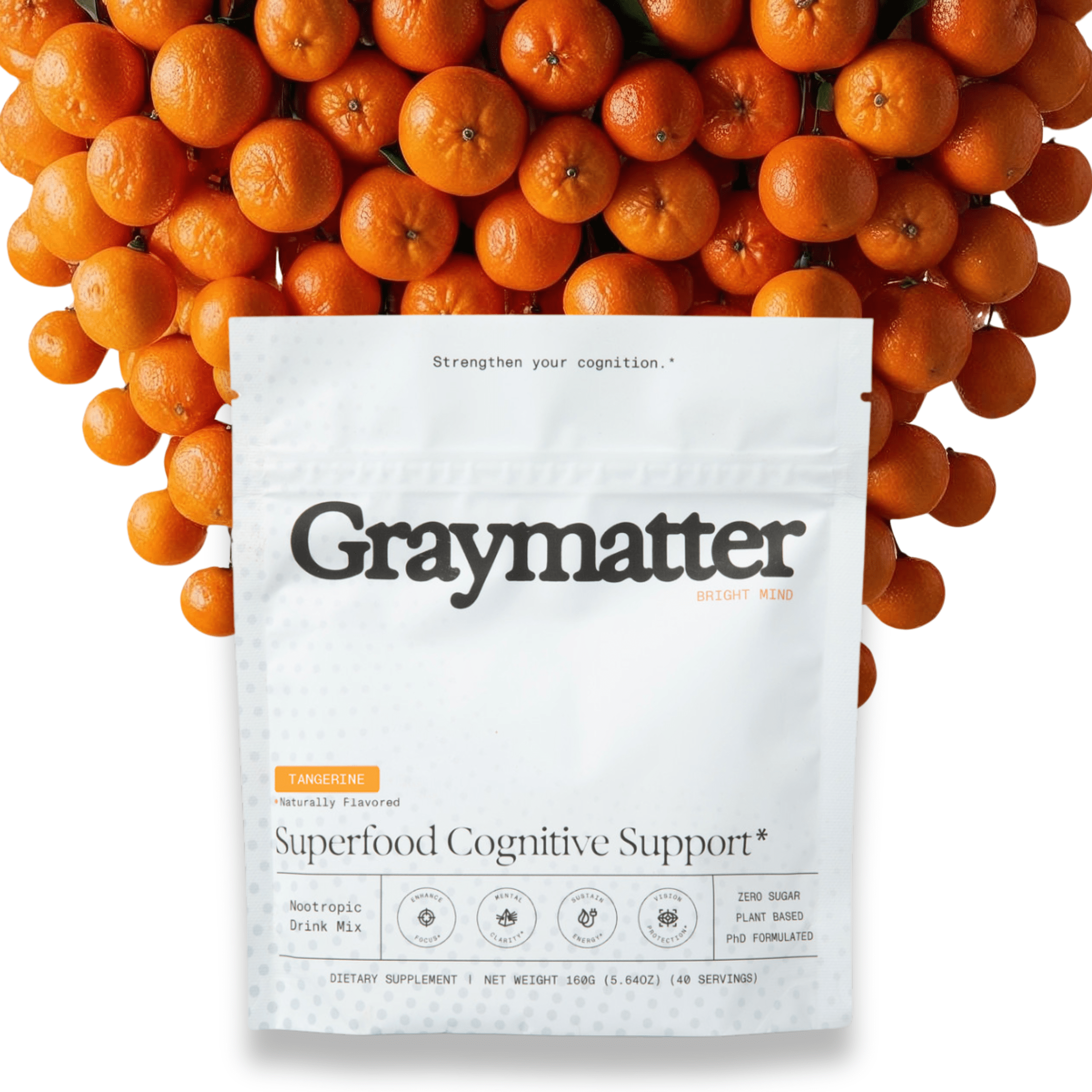
For those who want a daily nudge beyond lifestyle changes alone, a well-formulated nootropic like Bright Mind can be a good complement. It blends adaptogens, amino acids, and plant-based energy into one scoop for everyday mental clarity.
Frequently Asked Questions
Q1. Can you improve brain memory after 50?
Yes. Your brain can form new connections at any age. Staying active, sleeping well, and challenging your mind may all help support memory.
Q2. What is the best exercise for brain health?
Aerobic activities like brisk walking, swimming, and cycling tend to offer the most benefit. Federal guidelines suggest at least 150 minutes of moderate activity per week.
Q3. Do brain games really help with memory?
Structured cognitive training may help maintain reasoning and processing speed. Casual puzzles and crosswords keep your mind engaged, though lasting effects need more study.
Q4. How much sleep do older adults need for brain health?
Most adults benefit from 7-8 hours per night. Poor or disrupted sleep has been linked to memory problems and faster cognitive decline.
Q5. Can supplements help with age-related memory changes?
Supplements can’t prevent cognitive decline on their own. A healthy lifestyle always comes first. That said, certain ingredients like Alpha GPC and Lion's Mane do play a supportive role in everyday cognitive function when paired with good habits.
Leave a comment