


You sit down to work. Ten minutes pass, and you've checked your phone five times. By afternoon, nothing gets done. The question: Why can't you focus?
Poor concentration kills productivity and mental health. Yet most people never identify what's actually causing the problem. Once you know the cause, you can address it directly.
What Is Focus and Why Is It Important
Focus is your brain's ability to direct attention to a single task and maintain that attention until completion. Without focus, you start tasks but don't finish them, make careless mistakes, and waste hours on low-priority activities. Focus directly determines your productivity, career success, relationships, and mental health.
When focus fails, everything else fails with it.
Why focus matters:
-
Increases productivity and accomplishment (finish what you start)
-
Reduces stress and anxiety (focused work feels controllable)
-
Improves decision-making quality (better thinking = better choices)
-
Builds confidence and self-respect (complete work feels fulfilling)
-
Saves time and energy (focused work takes less total effort)
Common Causes of Poor Concentration
Sleep Deprivation
Your brain needs 7-9 hours of consistent sleep. Without adequate sleep, your prefrontal cortex operates at reduced capacity. You experience brain fog, difficulty starting tasks, and an inability to concentrate for more than 15 minutes.
What to do:
-
Set a consistent bedtime and wake time
-
Keep your bedroom cool and dark
-
Avoid screens one hour before sleep
Chronic Stress
Stress elevates cortisol, which impairs prefrontal cortex function. High stress makes focus nearly impossible because your brain stays in survival mode.
What to do:
-
Practice meditation for 10 minutes daily
-
Use breathing exercises (4-7-8 technique)
-
Limit caffeine, which amplifies stress
Poor Nutrition
Your brain requires specific nutrients to function. B vitamins, omega-3 fatty acids, magnesium, and iron support focus and mental clarity. Without them, you feel mentally tired and sluggish.
What to do:
-
Include fatty fish, leafy greens, nuts, and whole grains in daily meals
-
Avoid processed foods and sugar crashes
-
Eat protein with every meal for stable blood sugar
Low Dopamine Levels
Dopamine drives focus, motivation, and reward. Low dopamine makes tasks feel difficult and uninteresting, even when you want to concentrate.
Signs of low dopamine:
-
Lack of motivation to start work
-
Everything feels effortful
-
Procrastination feels inevitable
-
Reduced interest in activities you usually enjoy
Digital Distraction
Your phone is engineered to capture attention. Apps and notifications trigger dopamine releases that make your brain prefer interruptions over deep work.
What to do:
-
Use app blockers during focus sessions
-
Place your phone in another room
-
Disable notifications for calls and messages
-
Check email at specific times only, not constantly
Underlying Health Conditions
Thyroid disorders, vitamin B12 deficiency, anemia, sleep apnea, depression, and anxiety all reduce concentration. If poor focus has developed recently or feels unusual, get a medical evaluation.
Too Much Caffeine
Moderate caffeine improves focus. High caffeine causes jitters, anxiety, and sleep disruption, all of which reduce concentration.
What to do:
-
Limit caffeine to the morning only
-
Reduce total daily intake gradually
-
Switch to green tea (contains L-theanine, which reduces jitters)
How to Improve Your Focus
Start with sleep. A single night of poor sleep reduces focus by 30-40 percent. Fix sleep before trying other strategies.
Manage stress daily. Meditation, yoga, or breathing exercises reduce cortisol and restore mental clarity. Even 10 minutes daily makes a difference.
Optimize your environment. Remove distractions: phone in a different room, unnecessary browser tabs closed, people informed you're focusing. Use noise-canceling headphones if needed.
Use time-blocking. Work in 25-50 minute focused blocks with 5-10 minute breaks. Your brain has natural attention cycles. Respect them.
Move your body. Exercise increases dopamine, improves sleep, and strengthens focus. 150 minutes weekly of moderate activity significantly improves concentration.
Add targeted support. Many people add cognitive supplements after establishing good sleep, nutrition, and stress management. Look for L-Tyrosine (dopamine support), Alpha GPC (memory and focus), and plant-based adaptogens (stress reduction).
Final Takeaway
Focus doesn’t disappear without a reason. It usually reflects your daily habits. Sleep, stress, nutrition, and constant distractions all shape how well your brain can stay on track. When those areas start to stabilize, concentration often improves without forcing it.
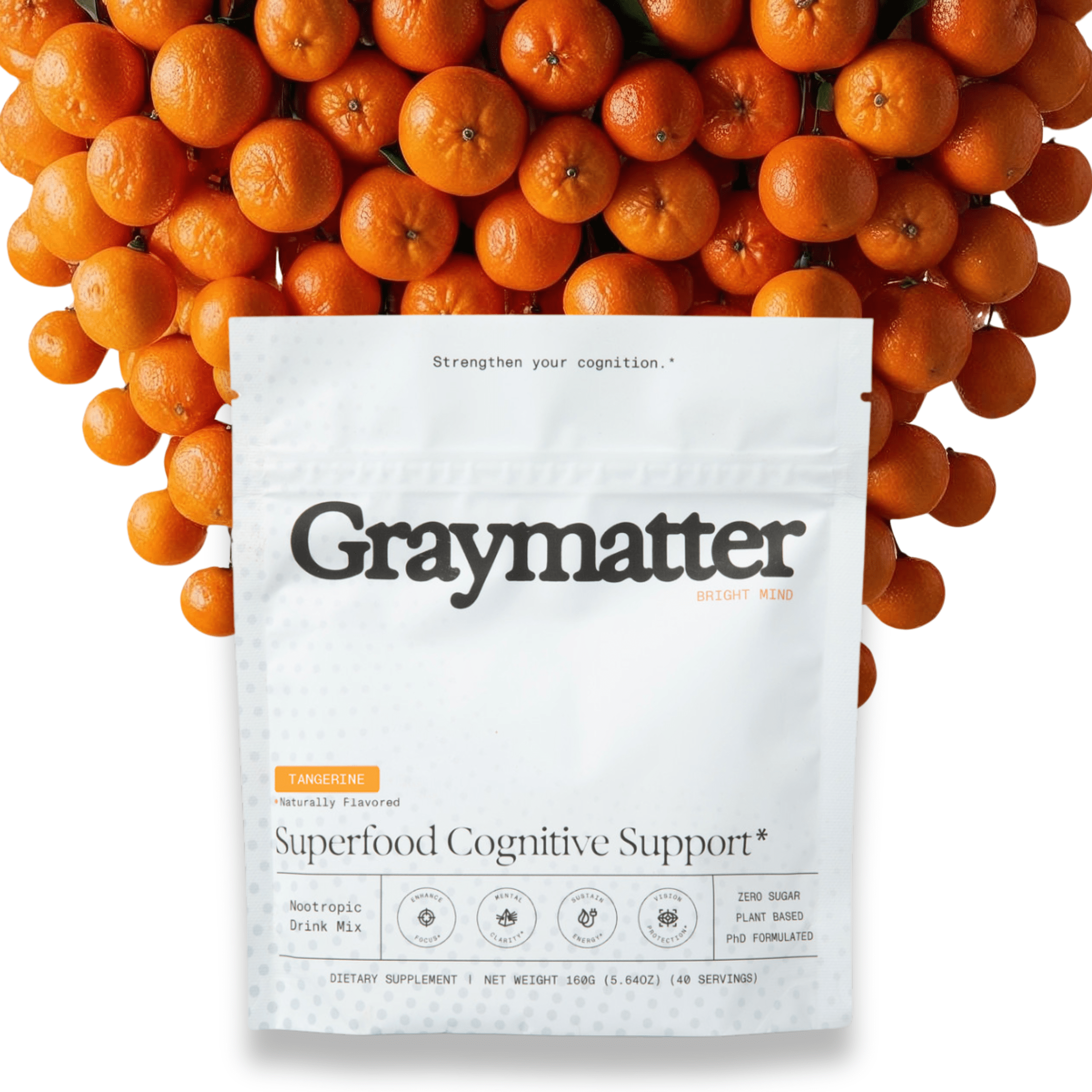
As your routine becomes more structured, staying consistent tends to feel easier. Small habits done daily create that stability, and Graymatter Bright Mind can fit alongside those habits as part of a regular rhythm. Over time, that consistency is what helps attention, energy, and clarity hold steady.
FAQs
What's the difference between normal distraction and poor concentration?
Normal distraction happens occasionally and doesn't prevent task completion. Poor concentration means you consistently struggle to focus, even on important work. If this represents a change from your baseline, consider a medical evaluation.
Can supplements alone improve focus?
No. Supplements support brain function but don't replace sleep, stress management, and nutrition. Use them to enhance a solid foundation, not build one.
How long until I notice better focus?
Sleep improvements show within 2-3 nights. Stress management shows within 1-2 weeks. Exercise and nutrition changes show within 2-4 weeks. Supplements show within 1-2 weeks when combined with lifestyle changes.
Is poor concentration a sign of ADHD?
Lifelong difficulty focusing, especially with organizing tasks and hyperfocus on interesting activities, suggests ADHD. Recent trouble concentrating suggests sleep, stress, or health issues. Only a medical evaluation determines which.
Can focus improve without medication?
Yes. Sleep, exercise, stress management, and nutrition improve focus significantly for most people. Some with ADHD benefit from medication, but lifestyle changes are powerful first steps
Compliance note: Graymatter Bright Mind is a dietary supplement that supports focus and cognitive function; not intended to diagnose, treat, or cure any medical condition. Please consult a healthcare provider regarding any treatment plan.
Leave a comment