





If you're living with ADHD or struggling with brain fog, you know the constant search for something to help you focus and stay on task. The shelves are packed with energy drinks, coffee, teas, and supplements, all promising to boost your concentration, but which ones actually work?
More importantly, which ones are safe and effective specifically for ADHD brains?
Our comprehensive guide breaks down the science behind the best energy drink for focus, what ingredients actually help with ADHD symptoms, and why traditional energy drinks might be doing more harm than good.
Why People with ADHD Seek Energy Drinks
Living with ADHD means battling with:
-
Persistent difficulty sustaining attention
-
Low dopamine levels affect motivation
-
Mental fatigue, especially in the afternoon
-
Brain fog that makes thinking clearly challenging
-
Struggles with executive function and task completion
Many turn to energy drinks for people with ADHD, hoping for a quick solution. The caffeine and stimulants in these beverages temporarily increase dopamine and norepinephrine levels, which can improve focus and alertness. But there's a crucial difference between a quick fix and sustainable cognitive support.
The Problem with Conventional Energy Drinks for ADHD
Traditional energy drinks present several concerns for people with ADHD:
High Sugar Content
Most commercial energy drinks contain 27-31g of sugar per can. This can cause blood sugar spikes and crashes, potentially worsening ADHD symptoms and fatigue in the long run.
Excessive Caffeine
While caffeine can help with focus, the high doses in energy drinks (often 160-300mg per serving) can increase anxiety, elevate heart rate, and cause sleep disturbances, all particularly problematic for those with ADHD who may already experience these challenges.
Artificial Colors and Additives
Research suggests certain artificial colors may exacerbate ADHD symptoms. A study in the Journal of Pediatrics found that some children showed increased hyperactivity when consuming artificial food dyes.
Short-Lived Effects
The energy boost from conventional drinks typically lasts just 1-2 hours before leading to a crash, creating a dependency cycle that can be harmful long-term.
Comparing Brain-Boosting Beverages for ADHD
Let's compare different types of drinks and their effects on focus and ADHD symptoms:
|
Beverage Type |
Pros |
Cons |
ADHD Benefits |
|
Regular Energy Drinks |
Quick energy boost |
Sugar crashes, jitters, and artificial ingredients |
Limited, short-term focus |
|
Coffee |
Natural caffeine, antioxidants |
Can cause anxiety and insomnia in some with ADHD |
Moderate focus boost |
|
Green Tea |
L-theanine + caffeine combination |
Lower caffeine, milder effect |
Good for calm focus |
|
Berry Smoothies |
Antioxidants, natural sugars |
Not specific to cognitive function |
Good for brain health, not direct ADHD support |
|
Beetroot Juice |
Increases blood flow to the brain |
Earthy taste, not stimulating |
May help with brain fog, not ADHD-specific |
Key Ingredients That Actually Help ADHD Focus
Research shows certain ingredients are particularly beneficial for ADHD symptoms:
Omega-3 Fatty Acids (EPA & DHA)
Essential fats that support brain cell structure and communication. They’ve been linked to better attention, memory, and overall cognitive performance, especially when intake is consistently low.
Iron
Plays a key role in dopamine production, which influences motivation and focus. Low iron levels can make it harder to stay attentive and mentally engaged throughout the day.
Magnesium
Helps regulate the nervous system and supports relaxation. It can reduce restlessness, improve sleep quality, and create a more stable foundation for sustained focus.
Protein (Amino Acids)
Provides the building blocks for neurotransmitters like dopamine. It also helps stabilize blood sugar levels, preventing energy dips that lead to distraction and mental fatigue.
Vitamin B6 & Vitamin D
B6 supports neurotransmitter production, while Vitamin D plays a role in mood and cognitive function. Low levels of either can impact attention, energy, and mental clarity.
Bacopa Monnieri
A well-known herbal ingredient used to support memory, learning, and cognitive stamina. It works gradually and is often used for long-term brain function support.
Conclusion: A Smarter Approach to ADHD Energy Support
Quick-fix energy drinks often create a cycle of spikes and crashes that make focus harder to maintain over time. A more effective approach is building consistent energy through balanced nutrition, steady inputs, and ingredients that support how your brain actually functions.
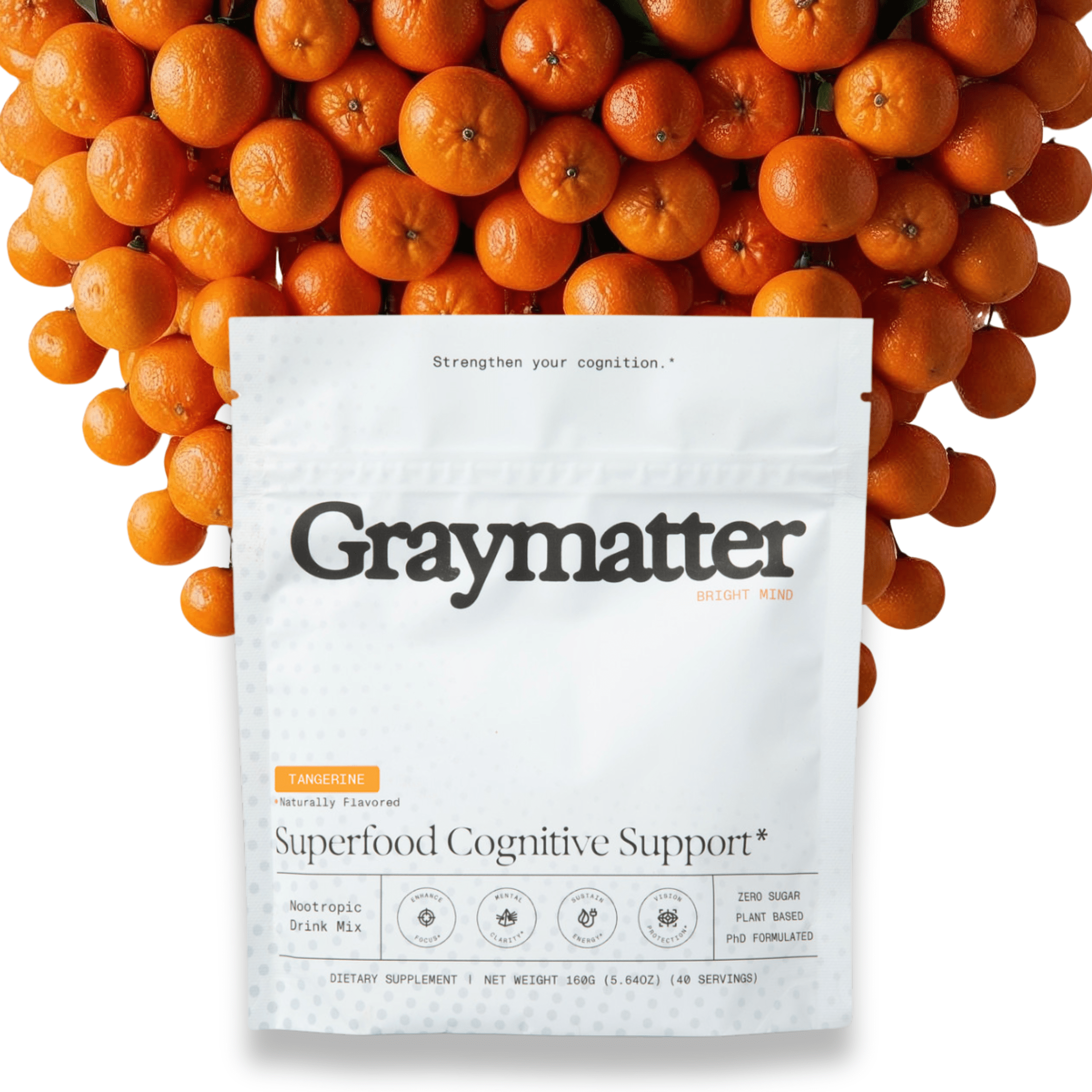
Over time, steady habits tend to support focus better than short bursts of stimulation. When meals, sleep, and daily routines are in place, small additions can complement that flow. Graymatter Bright Mind can fit into this rhythm alongside everyday habits that help keep energy and attention consistent.
FAQ: Your Top Questions About Energy Drinks and ADHD
What is the best energy drink for focus?
The best option supports steady energy without sharp spikes or crashes. Drinks with moderate caffeine, L-theanine, and minimal sugar tend to provide more balanced focus.
Do energy drinks help with focus?
They can offer temporary alertness due to caffeine, but many lead to energy crashes later. Long-term focus is better supported through consistent nutrition and balanced energy sources.
Are nootropic drinks safe?
Most are safe when made with well-researched ingredients and taken as directed. It’s important to check labels and avoid excessive stimulants or unnecessary additives.
What ingredients should you look for in focus drinks?
Look for ingredients that support brain function and steady energy, such as amino acids, vitamins, moderate caffeine, and compounds that promote calm alertness.
Do energy drinks help with brain fog?
They may provide short-term clarity, but often don’t address underlying causes. Stable energy, proper nutrition, and hydration are more effective for reducing brain fog over time.
Compliance note: Graymatter Bright Mind is a dietary supplement that supports focus and cognitive function; not intended to diagnose, treat, or cure any medical condition. Please consult a healthcare provider regarding any treatment plan.
Leave a comment