





Stress is not new, but the way we experience it today is different. Between work, screens, responsibilities, and the general pace of life, your body's stress response fires more often than it was ever designed to. And while you cannot remove every stressor, you can change how your body responds to it.
That is where adaptogens come in. These herbs and plant compounds are known for helping the body adapt to stress and return to balance. In this guide, we will look at how they work, which ones are worth knowing, and how to use them effectively.
What Adaptogens Actually Do
The word "adaptogen" gets tossed around loosely, but it has a specific meaning. To qualify as an adaptogen, a plant must meet three criteria:
- Help the body resist a wide range of stressors (physical, chemical, biological)
- Support a return to balance (homeostasis) after stress exposure
- Be non-toxic and safe at normal doses
How Adaptogens Work in the Body
Your stress response is controlled by the HPA axis, which regulates cortisol and other stress hormones. When stress becomes constant, this system can stay overactive, leading to fatigue, poor sleep, and brain fog.
Adaptogens help regulate this response. Instead of blocking stress, they support a more balanced reaction, helping your body respond when needed and recover more efficiently.
List of Adaptogens and Their Benefits
Not all adaptogens do the same thing. Here is a breakdown of the best adaptogens and what each one is known for.
Ashwagandha
Best for: Cortisol regulation, stress resilience, sleep quality
Ashwagandha is the most studied adaptogen for stress. A placebo-controlled study of 64 adults with chronic stress found that ashwagandha root extract led to a significant reduction in serum cortisol levels (P=0.0006) compared to placebo over 60 days [1]. Participants also reported improvements in stress scores and overall well-being.
Rhodiola Rosea
Best for: Mental fatigue, attention under pressure, physical endurance
Rhodiola is often used during periods of burnout or mental exhaustion. It may help reduce feelings of fatigue and support attention. It is commonly chosen by people who feel mentally drained rather than emotionally overwhelmed.
Red Panax Ginseng
Best for: Mood support, cognitive stamina, immune function
Ginseng has a long history in traditional Chinese and Korean practices. It is often associated with supporting the body’s response to stress while helping maintain energy, mood, and mental performance. Red Panax Ginseng, in particular, is known for its more energizing properties.
Lion's Mane Mushroom
Best for: Neuroprotection, nerve growth, memory support
Lion’s mane is technically a functional mushroom, but it is often grouped with adaptogens for its role in supporting brain health. Compounds in lion's mane may stimulate nerve growth factor (NGF), which supports the maintenance and repair of neurons.
Cordyceps
Best for: Physical endurance, energy production, oxygen utilization
Cordyceps may support cellular energy production by improving the way your body uses oxygen. Athletes and active individuals often use cordyceps for endurance, but its energy-boosting properties also benefit people dealing with stress-related fatigue.
Maca Root
Best for: Stamina, adaptogens for hormone balance, energy
Maca has been traditionally used in the Andes for stamina and vitality. It is often associated with supporting hormonal balance and overall energy levels. While not a stimulant, many people notice gradual improvements in mood and daily energy with regular use.
Adaptogens for Stress and Anxiety
If anxiety is a major part of your stress picture, certain adaptogens may be more helpful than others.
|
Adaptogen |
Primary Effect |
Best For |
|
Ashwagandha |
Lowers cortisol, calming |
Generalized stress and anxiety |
|
Rhodiola |
Reduces mental fatigue |
Burnout, overwhelm |
|
Red Panax Ginseng |
Mood and energy lift |
Low mood with fatigue |
|
Lion's Mane |
Neuroprotective |
Stress-related brain fog |
|
Cordyceps |
Energy and endurance |
Physical fatigue from stress |
|
Maca |
Hormonal support |
Stress tied to hormonal shifts |
The best adaptogens for stress and anxiety often work through different pathways, which is why stacking multiple adaptogens in a single daily supplement can offer broader support than using one alone.
How to Use Adaptogens Effectively
Adaptogens are not a quick fix. A few practical guidelines:
- Be consistent: Most adaptogens need 2 to 6 weeks of daily use before you notice meaningful effects.
- Start with one: If you are new to adaptogens, introduce one at a time so you can gauge how your body responds.
- Take them at the right time: Calming adaptogens like ashwagandha work well in the evening. Energizing ones like rhodiola or cordyceps are better in the morning or early afternoon.
- Pair with lifestyle basics: Adaptogens support stress management, but they work best alongside good sleep, regular movement, and balanced nutrition.
A Simpler Way to Get Started
Getting started with adaptogens does not have to be complicated. What matters most is consistency and choosing options that fit easily into your routine.
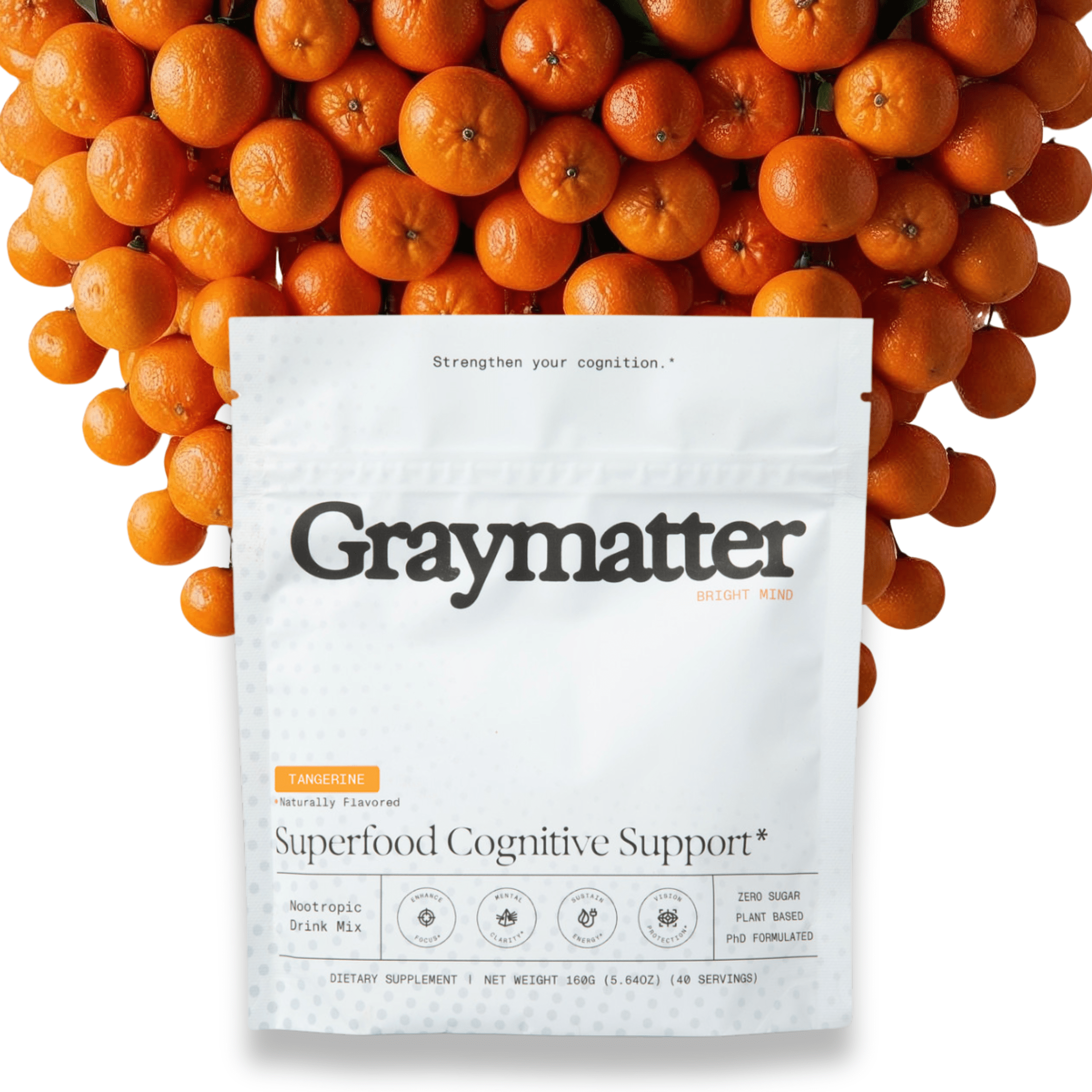
Bright Mind by Graymatter brings together adaptogens like ashwagandha, rhodiola, red panax ginseng, cordyceps, and lion’s mane in one simple daily mix that supports focus and steady energy.
When combined with good sleep, movement, and nutrition, small additions like this can help you feel more balanced and resilient day to day.
Frequently Asked Questions
Q1. What is the most powerful adaptogen for stress?
Ashwagandha has the most clinical evidence for reducing cortisol and improving stress resilience. Rhodiola is a strong second choice, especially for mental fatigue.
Q2. Can you take adaptogens every day?
Yes. Adaptogens are generally considered safe for daily use at recommended doses. Cycling off periodically (one day per week or one week per month) is a common practice.
Q3. Do adaptogens lower cortisol levels?
Certain adaptogens, particularly ashwagandha, have been shown in clinical trials to reduce serum cortisol levels compared to placebo.
Q4. Are adaptogens safe to take with anxiety medication?
Adaptogens may interact with certain medications. Always consult your healthcare provider before combining adaptogens with prescription anxiety or antidepressant medication.
Q5. Can adaptogens help with hormonal stress?
Adaptogens like ashwagandha and maca may support hormonal balance by modulating the HPA axis and influencing cortisol and thyroid hormone levels.
Q6. Do adaptogens have side effects?
At recommended doses, side effects are generally mild and rare. Some people experience digestive discomfort when first starting. Starting with a lower dose can help.
Leave a comment