


TL;DR.
Three formats cover most adaptogen-plus-nootropic use cases. Graymatter Bright Mind is the most complete single-product option, combining an adaptogen blend with a five-ingredient classical nootropic stack in one daily drink. A custom capsule stack of 600mg KSM-66 Ashwagandha, 400mg Rhodiola SHR-5 and 300mg Alpha GPC gives full dose control. Mind Lab Pro paired with a standalone Ashwagandha capsule suits users who want disclosed nootropic doses plus targeted stress support.
Ever looked at a supplement label and wondered what the difference between adaptogens and nootropics actually is? The two terms often appear together, which makes it easy to assume they mean the same thing.
They do overlap in the wellness space, but they are built around different goals. This guide breaks down how adaptogens and nootropics differ, where they intersect, and why many modern cognitive formulas combine both.
What Are Adaptogens?
Adaptogens are a class of plants and herbs that may help your body adapt to physical and mental stress. Rather than targeting one specific function, they work broadly across multiple systems.
How Adaptogens Support the Body
Adaptogens are believed to influence the hypothalamic-pituitary-adrenal (HPA) axis, which is the system that regulates your stress response. When stress hits, cortisol spikes. Adaptogens like Ashwagandha and Rhodiola may help moderate that cortisol response, keeping your body in a more balanced state instead of staying in constant fight-or-flight mode.
Common adaptogens include:
-
Ashwagandha, which may help lower cortisol and support calmness
-
Rhodiola Rosea, which is often used for stress management and fatigue
-
Red Panax Ginseng, traditionally used for mood and stamina
What Adaptogens Are Not
Adaptogens are not stimulants. You will not get a sudden burst of energy or sharper thinking in the moment. Think of them more as a foundation, helping your body stay steady, so focus and memory can function better.
What Are Nootropics?
Nootropics are substances specifically aimed at cognitive function. A study classified them into four subgroups, including cholinergics and plant extracts, and noted that standardized Panax ginseng extract at a dose of 200 mg per day is recommended for sustained cognitive benefit [1]. The goal across all categories is to support thinking, learning, and memory.
How Nootropics Support the Brain
Nootropics may work through several pathways depending on the specific compound. Some act as precursors to neurotransmitters like dopamine and acetylcholine. Others may improve blood flow to the brain or protect neurons from oxidative stress.
Common nootropic ingredients include:
-
L-Tyrosine, which is a precursor to dopamine, supports working memory and attention
-
Alpha GPC, which may boost acetylcholine levels to support learning
-
Huperzine A, which may help maintain acetylcholine in the brain by slowing its breakdown
What Nootropics Are Not
Nootropics are not a replacement for good sleep, proper nutrition, or medical treatment. Cognitive enhancement from nootropic compounds tends to build gradually with consistent use, not from a single dose.
Adaptogens vs Nootropics: Side-by-Side Comparison
So what are adaptogens and nootropics in relation to each other? The easiest way to understand the difference is to compare them side by side.
|
Feature |
Adaptogens |
Nootropics |
|
Primary purpose |
Help the body adapt to stress |
Support cognitive performance |
|
Main systems affected |
Stress response (HPA axis, cortisol) |
Brain neurotransmitters and brain metabolism |
|
Typical effects |
Calm balance, stress resilience |
Focus, memory, mental clarity |
|
Speed of effects |
Gradual support over time |
Some effects may appear more quickly |
|
Common ingredients |
Ashwagandha, Rhodiola, Panax Ginseng |
L-Tyrosine, Alpha GPC, Huperzine A |
Can you Take Adaptogens and Nootropics Together?
Stress and cognitive performance are closely linked. When cortisol remains elevated for long periods, it can interfere with attention, memory formation, and learning ability.
Adaptogens and nootropics can target different parts of this equation:
-
Adaptogens may help regulate the body’s stress response.
-
Nootropics may support neurotransmitters involved in focus and memory.
When used together, the idea is to support both the conditions around performance and the mental processes themselves.
For example:
-
An adaptogen like Ashwagandha may help moderate stress responses.
-
A nootropic like Alpha GPC may support acetylcholine, a neurotransmitter linked to learning and memory.
Rather than relying on a single ingredient, many modern cognitive formulas combine both categories to support overall cognitive wellness.
A Balanced Approach to Cognitive Wellness
Neither adaptogens nor nootropics are magic pills. The best results tend to come from pairing them with solid lifestyle habits: consistent sleep, regular movement, proper hydration, and a consistent daily routine that supports brain health.
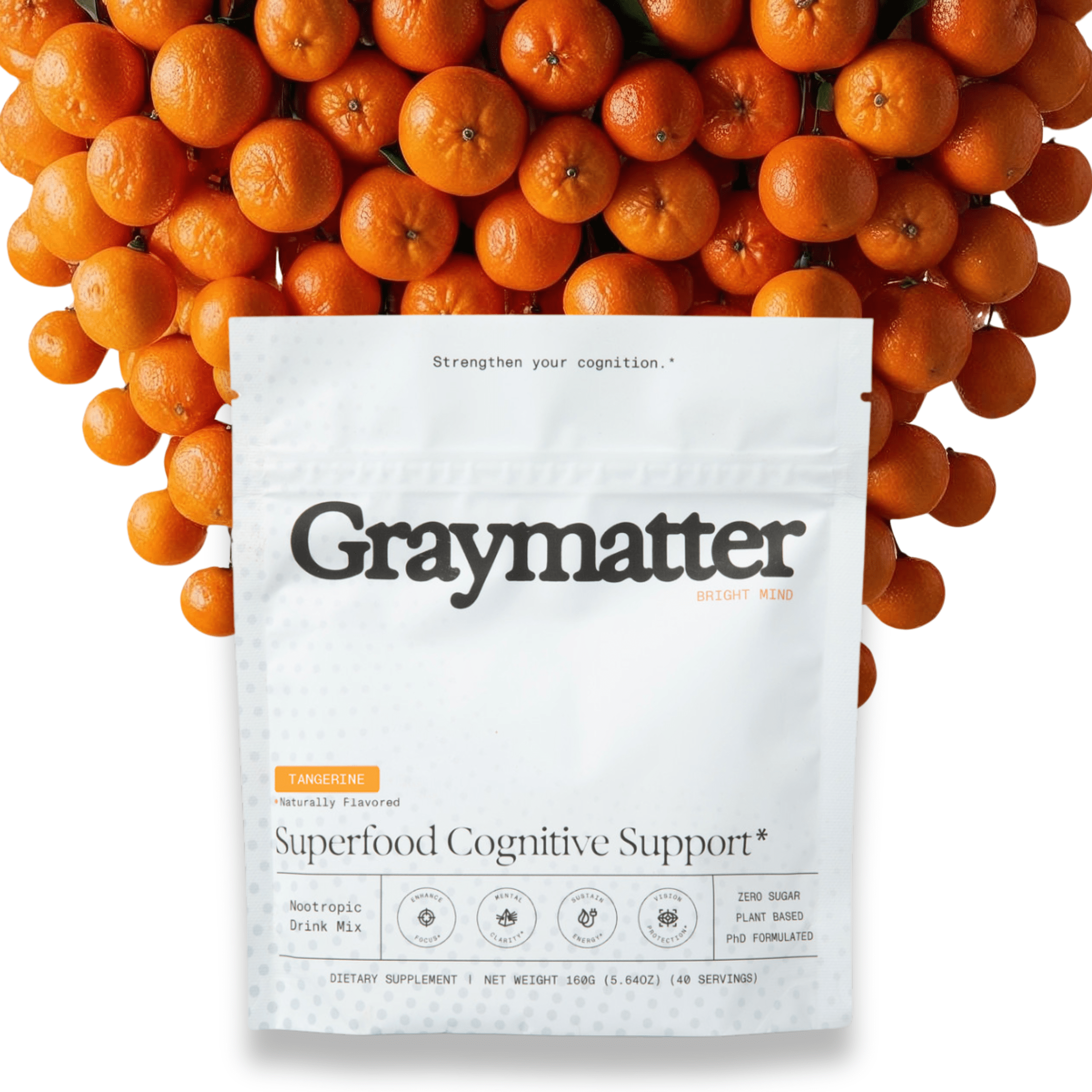
Graymatter Labs' Bright Mind combines both adaptogens (Ashwagandha, Rhodiola, Lion's Mane) and nootropics (L-Tyrosine, Alpha GPC, Huperzine A) in one plant-based formula, designed to support calm, focused energy as part of your daily wellness routine.
Frequently Asked Questions
Q1. Are adaptogens considered nootropics?
Not exactly. Some adaptogens have cognitive benefits (like Lion's Mane), but as a category, they focus on stress regulation rather than direct cognitive enhancement.
Q2. What are the best adaptogens and nootropics for focus?
Rhodiola and Ashwagandha are popular adaptogens for stress-related focus issues. L-Tyrosine and Alpha GPC are commonly used nootropics for attention and memory.
Q3. Do adaptogens and nootropics have side effects?
Most plant-based adaptogens and nootropics are well tolerated. Mild digestive discomfort or headaches can occur. Always consult a healthcare provider before starting any new supplement.
Q4. How long do adaptogens and nootropics take to work?
Some nootropics may produce noticeable effects within minutes to hours. Adaptogens generally require consistent daily use over one to two weeks before benefits become apparent.
Q5. Can students use adaptogens and nootropics?
Many students use plant-based cognitive supplements. Products designed for adults should be used with guidance from a healthcare provider, especially for those under 18.
Q6. Do adaptogens help with anxiety during exams?
Adaptogens like Ashwagandha may help moderate the cortisol spikes that come with high-pressure situations, potentially supporting a calmer state during stressful periods.
Q7. Which supplement has both adaptogens and nootropics?
Graymatter Bright Mind is purpose-built to combine both.It contains the adaptogens (Ashwagandha, Rhodiola, Lion’s Mane, Cordyceps and Red Panax Ginseng) and nootropics (Alpha GPC, L-Tyrosine, Phosphatidylserine, Huperzine A and Nitrosigine), all delivered in one daily drink.
Leave a comment