





Understanding Cognitive Function and Its Importance
Cognition spans attention, learning, memory, processing speed, and executive skills like planning and task-switching. These depend on balanced neurotransmitters (dopamine for motivation, acetylcholine for learning), healthy blood flow, and well-managed stress responses.
Why Cognitive Function Matters for Daily Life
From coding to caregiving, you need reliable focus and recall under pressure. Preserving cognition is a daily practice: nourish brain chemistry, protect against stress, and build habits that compound over time.
Who Is at Higher Risk of Cognitive Decline or Brain Fog?
Lifestyle & Workload Factors
-
High cognitive load & long screen hours: Programmers, analysts, students, and gamers who push deep focus for hours may experience fatigue, memory lapses, or eye strain.
-
Chronic stress & poor sleep: Elevated cortisol and short sleep impair attention and working memory.
-
Sedentary habits & low daylight: Less movement and limited sun exposure can dampen energy and mood.
-
Shift work & irregular meals: Irregular circadian rhythms and blood-sugar swings can undercut focus.
Biological & Health Factors
-
B-vitamin gaps (especially B12): More common with restrictive diets; low levels can affect cognition.
-
Cardiometabolic risks: Hypertension, high lipids, or insulin resistance can impact brain blood flow over time.
-
Hormonal transitions: Perimenopause/menopause and andropause can alter sleep, mood, and concentration.
-
Neurodiversity (e.g., ADHD): Attention regulation challenges are common; many prefer natural approaches.
-
Aging adults: Normal aging can slow processing speed; supporting neurotransmitters, stress balance, and blood flow becomes increasingly important.
Note: Supplements support but don’t replace sleep, nutrition, movement, and medical care. If you’re pregnant, nursing, on medication, or managing a condition, speak with your clinician before starting any stack.
Key Nutrients for Brain Health
These are nutrition foundations:
Omega-3 Fatty Acids and Their Role
DHA/EPA help maintain neuronal membrane fluidity and signaling. Plant-forward? Choose algae-derived DHA/EPA. A steady Omega-3 base pairs well with a targeted stack, classic brain supplement combinations that cover structure (Omega-3) plus function (nootropics).
The Importance of B Vitamins
B6, folate (B9), and B12 support methylation, homocysteine regulation, energy metabolism, and neurotransmitters. If labs show low B12, correct that first; then layer a stack for performance.
The Impact of Antioxidants on Cognitive Function
Oxidative stress chips away at clarity. Carotenoids like astaxanthin and zeaxanthin help neutralize free radicals and can ease screen-related eye strain, useful for deep-work days.
Effective Supplement Combinations for Cognitive Preservation
Build a nutrition base (Omega-3s, B vitamins, antioxidants), then layer a coherent nootropic stack with true supplement synergy for brain health.
Omega-3 and B Vitamins: A Powerful Duo
-
Omega-3s support neuronal structure and healthy inflammatory balance.
-
B vitamins aid energy metabolism and neurotransmitter pathways.
-
Together, they form fertile ground for stacking supplements for memory and attention. Once the base is solid, a nootropic stack can shine.
Combining (Algae) Omega-3 and Vitamin D for Optimal Results
Vitamin D participates in neuroimmune and mood pathways. If you’re low, clinician-guided Vitamin D plus algae-based DHA/EPA is sensible and pairs well with performance-focused stacks.
Other Beneficial Supplements for Brain Function
This is where a purpose-built stack helps:
-
L-Tyrosine → dopamine precursor for task initiation and focus under stress
-
Alpha GPC → choline donor supporting acetylcholine (learning, memory).
-
Huperzine A → helps maintain acetylcholine levels for memory retention
-
Nitrosigine→ supports healthy blood flow; associated with better working memory/processing speed
-
Adaptogens (Ashwagandha, Rhodiola) → help regulate cortisol for stress resilience.
-
Matcha + Guarana → smoother, plant-based alertness without hard spikes.
-
Astaxanthin + Zeaxanthin → vision support for screen-heavy schedules.
How to Choose the Right Brain Supplement
Factors to Consider When Selecting Supplements
-
Evidence & transparency: clear labels and research-aligned choices.
Plant-based performance: gentle natural energy and adaptogens over harsh stimulants. -
Goal fit: stress, focus, working memory, or all three covered together.
-
Simplicity: a complete stack reduces overlap and guesswork;
Quality vs. Price: What Matters Most?
Quality first. A coherent stack is often more practical and more economical than stitching together “cheap” singles that don’t work well together.
Lifestyle Changes to Support Cognitive Health
The Role of Diet in Cognitive Function
Center meals on whole foods, legumes, nuts, seeds, and colorful produce. Add algae-based DHA/EPA for Omega-3s; check B12 if you follow a restrictive diet. Balanced nutrition plus a nootropic stack is a durable path to clarity and stamina.
Physical Activity and Brain Health
Regular movement boosts cerebral blood flow and supports learning pathways. Even short walks between tasks help reset focus.
Conclusion
Preserving cognitive function isn’t about chasing one “best” ingredient. It comes from combining the right elements, nutrition, targeted compounds, and daily habits into a system that supports focus, memory, and mental endurance over time.
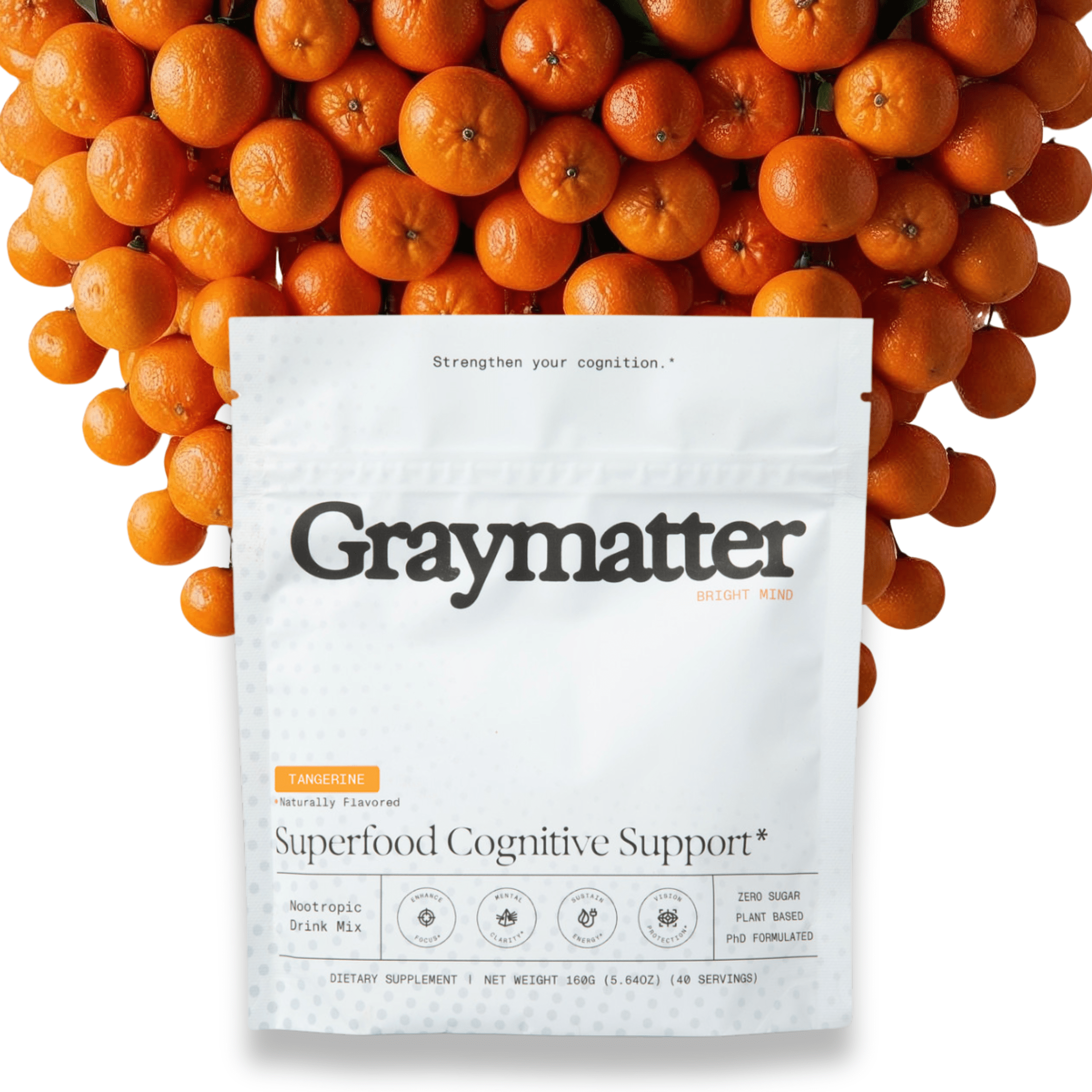
For those who prefer a simpler, all-in-one approach rather than managing multiple supplements, Graymatter Bright Mind brings key components together in a single, structured routine aligned with long-term cognitive support.
Frequently Asked Questions
1.) What are the most effective nootropic stacks for focus?
Effective stacks typically combine dopamine support like L-Tyrosine, cholinergic compounds like Alpha GPC, and circulation enhancers. This combination helps sustain attention, improve working memory, and maintain clarity during cognitively demanding tasks.
2.) Is it safe to combine different brain supplements?
Combining supplements can be safe when ingredients are complementary and properly dosed. However, overlapping compounds or stimulants may cause side effects, making balanced, well-formulated stacks a safer and more predictable option.
3.) What supplement combinations help with long-term brain health?
Long-term support usually includes Omega-3 fatty acids for structure, B vitamins for metabolism, and targeted nootropics for function. Together, they support memory, focus, and overall cognitive resilience as part of a consistent routine.
4.) How do you create a personalized nootropic stack?
Start by identifying your main need, such as focus, memory, or stress. Choose evidence-based ingredients, use consistently for two weeks, and adjust based on changes in energy, concentration, and cognitive performance.
5.) Are there any pre-made supplement stacks for cognitive enhancement?
Yes, many pre-formulated stacks combine nootropics, adaptogens, and nutrients into one routine. These reduce guesswork, improve consistency, and are often more practical than managing multiple single-ingredient supplements separately.
Compliance note: Graymatter Bright Mind is a dietary supplement that supports focus and cognitive function; not intended to diagnose, treat, or cure any medical condition. Please consult a healthcare provider regarding any treatment plan.
Leave a comment