


As we age, maintaining sharp thinking, strong memory, and consistent focus becomes a top priority-especially for those struggling with brain fog. If you’re searching for the best cognitive support supplement for aging, want to optimize brain health in elderly loved ones, or simply want to know which memory supplements are actually worth your time and money, this comprehensive guide is for you.
We’ll break down the latest research, compare the most popular supplements, and show you what to look for in a comprehensive solution for adults who want lasting cognitive support.
Why Cognitive Health Declines with Age
Aging naturally brings changes to the brain:
-
Neurotransmitter levels drop (dopamine, acetylcholine, serotonin), impacting focus, motivation, and memory.
-
Oxidative stress increases, leading to cellular damage and cognitive decline.
-
Nutrient absorption decreases, making deficiencies in B12, D, magnesium, and others more common.
-
Brain structure changes, including shrinkage in memory-related regions, become more pronounced, especially in those with low B12 or omega-3 levels.
What Does Science Say About Cognitive Support Supplements?
B Vitamins: The Foundation of Cognitive Support
B6, B9 (folate), and B12 are crucial for:
-
Neurotransmitter synthesis (dopamine, serotonin, acetylcholine)
-
Lowering homocysteine, a risk factor for cognitive decline and dementia
-
Slowing brain shrinkage and supporting memory
Key Studies:
-
High-dose B vitamins (B6, B12, folic acid) slowed brain atrophy by 53% in people with mild cognitive impairment and virtually halted further cognitive decline.
-
B vitamins are most effective when paired with sufficient omega-3 DHA, as both nutrients are required to build and maintain healthy brain cell membranes.
Vitamin D: Mood, Memory, and Neuroprotection
-
Vitamin D is vital for mood regulation, memory, and overall brain health.
-
Deficiency becomes common after age 50, due to reduced sun exposure and absorption.
-
Supplementation (1,500–2,000 IU/day) may help prevent dementia and boost cognitive performance, especially in those who are deficient.
Magnesium: The Calming Mineral
-
Magnesium is essential for over 300 body processes, including nerve function and memory.
-
Magnesium threonate, in particular, crosses the blood-brain barrier and supports memory and attention.
-
Supplementation is especially important for older adults, who often have lower dietary intake and absorption.
Omega-3 Fatty Acids: Brain Cell Protectors
-
DHA and EPA are vital for brain cell structure and anti-inflammatory effects.
-
Omega-3 supplementation (1–2g/day) may help maintain memory and slow cognitive decline, particularly when combined with B vitamins.
-
The best results are seen in those with low baseline intake, genetic risk factors, or mild cognitive impairment.
Adaptogens and Nootropics: Stress and Focus
-
L-theanine (from green tea) and adaptogens (ashwagandha, rhodiola, ginseng) help regulate stress, improve focus, and support mood-especially important for high-stress lifestyles.
-
Alpha GPC, Huperzine A, and Phosphatidylserine boost acetylcholine, supporting memory and learning.
Comparing the Best Brain Supplements for Adults
|
Supplement Type |
Evidence for Cognitive Support |
Pros |
Cons |
Best For |
|
B-Complex |
Strong for memory, attention, especially if deficient |
Essential for the elderly, well-tolerated |
Limited effect if already replete |
Adults 50+, vegetarians, certain meds |
|
Vitamin D |
Mixed but promising for mood/cognition |
Supports bones and brain |
Over-supplementation risk |
Low sun exposure, elderly |
|
Magnesium Threonate |
Good for memory, focus, and stress |
Crosses BBB, calms nerves |
GI upset in some |
Stress, brain fog |
|
Omega-3s (DHA/EPA) |
Best for low dietary intake/genetic risk |
Heart and brain benefits |
Mixed results in healthy adults |
Low fish intake, vegetarians |
|
Antioxidants/Polyphenols |
Some evidence for memory, mood |
Protects against oxidative stress |
Overuse can be harmful |
Aging adults, high oxidative stress |
|
L-Theanine/Adaptogens |
Good for focus, stress, and mood |
Non-stimulant, calming |
Mild effect alone |
Anxiety, multitasking |
|
Single-ingredient “Memory Boosters” |
Weak or inconclusive |
Safe at low doses |
Little proven benefit |
Not recommended as sole strategy |
What to Look for in a Cognitive Support Supplement
Not all supplements are created equal. When choosing one, focus on a few key factors:
-
Clinically relevant ingredients: Look for well-researched nutrients like B vitamins, omega-3s, magnesium, and adaptogens that support memory, focus, and brain health.
-
Effective dosages: Ingredients should be present in meaningful amounts, not just listed on the label.
-
Synergistic formulation: Combinations that target multiple pathways tend to work better than single-ingredient products.
-
Transparent labeling: Clear ingredient lists, third-party testing, and no hidden blends are essential for trust and safety.
-
Consistency-friendly format: Easy-to-use formats make it more likely you’ll stick with it daily, which is where real benefits come from.
Practical Steps for Brain Health in Aging
Supplements are most effective when combined with healthy lifestyle choices:
-
Eat a balanced diet: Emphasize fruits, vegetables, whole grains, lean proteins, and healthy fats.
-
Stay active: Regular exercise boosts brain blood flow and neurotrophic factors.
-
Engage your mind: Puzzles, reading, learning new skills, and social activities help maintain cognitive function.
-
Get enough sleep: Aim for 7–9 hours per night for optimal memory and focus.
-
Manage stress: Mindfulness, meditation, and adaptogenic supplements can help.
-
Regular check-ups: Monitor nutrient levels, especially B12, D, and magnesium, as deficiencies are common in older adults.
Wrapping Up
Cognitive changes are a natural part of aging, but how you support your brain over time can make a meaningful difference. Consistent habits like balanced nutrition, quality sleep, movement, and mental engagement all contribute to maintaining memory, focus, and overall clarity.
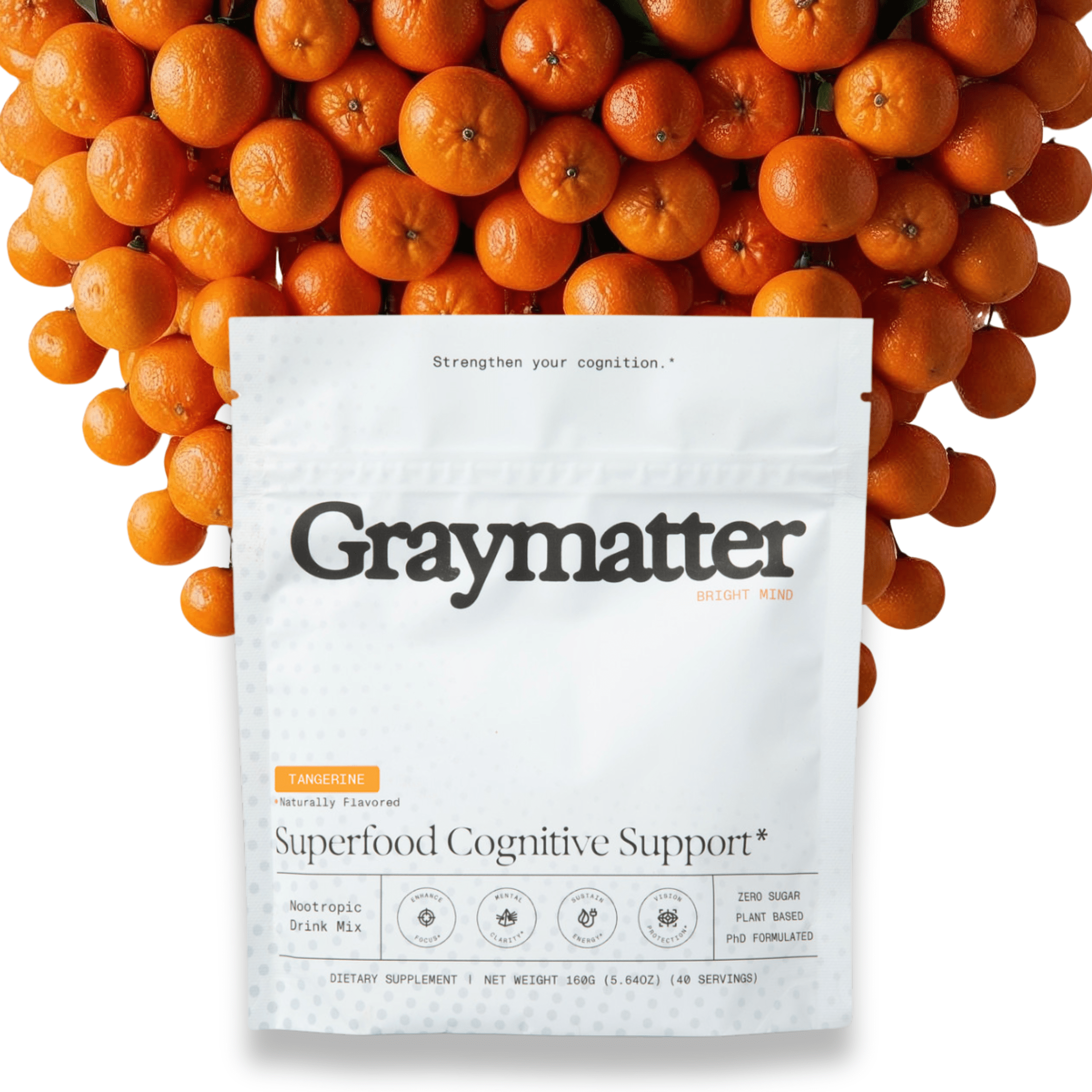
A well-rounded approach that includes key nutrients alongside daily routines tends to be the most sustainable. Graymatter Bright Mind brings together multiple nutrients and nootropic ingredients in a single daily format to support focus, memory, and overall cognitive function.
FAQs
What supplement is best for cognitive function?
A multi-ingredient, science-backed supplement that combines B vitamins, vitamin D, magnesium, omega-3s, antioxidants, adaptogens, and nootropics offers the broadest, most effective support for cognitive function in aging.
What is the best supplement for anti-aging?
Supplements with antioxidants (vitamin C, E, resveratrol), omega-3s, B vitamins, and adaptogens help slow cellular aging and support brain health when used consistently alongside healthy lifestyle habits.
Which cognitive function improves with aging?
Most cognitive functions decline with age, but with the right support, skills like vocabulary and general knowledge can improve. Supplements and lifestyle changes help maintain and even enhance memory, attention, and executive function.
Which supplement is best for old age?
A comprehensive supplement addressing multiple nutrient gaps is often most effective, especially when combined with balanced nutrition, regular activity, and consistent routines that support long-term brain health.
What is the best supplement for cognitive function, anti-aging, and memory in adults and the elderly?
A multi-ingredient nootropic that combines B vitamins, vitamin D, magnesium, omega-3s, antioxidants, and adaptogens is ideal for supporting focus, memory, and overall brain health as you age.
References
-
Fekete M, Lehoczki A, Tarantini S, et al. Improving Cognitive Function with Nutritional Supplements in Aging: A Comprehensive Narrative Review of Clinical Studies Investigating the Effects of Vitamins, Minerals, Antioxidants, and Other Dietary Supplements. Nutrients. 2023;15(24):5116. [PMC10746024]
-
Nutritional supplements and cognitive aging. Age UK.
-
Multivitamins and Memory: How Supplements Can Protect Aging Brains. Henry Ford Health.
-
What’s the Truth About Memory and Other Supplements? UCLA Health.
-
Brain Supplements: What Works, What Doesn’t. WebMD.
-
Health Benefits of Resveratrol. Consensus.
-
Alzheimer’s, Omega 3 & B Vitamins. Food for the Brain.
Compliance note: Graymatter Bright Mind is a dietary supplement that supports focus and cognitive function; not intended to diagnose, treat, or cure any medical condition. Please consult a healthcare provider regarding any treatment plan.
Leave a comment