


Do you need a prescription to think better, or can you get there naturally?
As the demand for sharper focus and sustained mental energy grows, so does the range of options. On one end are pharmaceutical nootropics designed for clinical use. On the other hand, plant-based cognitive enhancers, built for everyday performance.
Both promise better focus, memory, and mental clarity, but they work very differently and come with very different trade-offs. Choosing between them is not about what works “best” but about what fits your goals, your lifestyle, and your tolerance for risk.
Here's an honest breakdown of both sides.
What Are Cognitive Enhancers?
Cognitive enhancers are substances designed to improve mental performance, including memory, attention, processing speed, and executive function. The category is broad and includes everything from a morning cup of coffee to a prescription stimulant.
Cognitive enhancers fall into two main camps:
- Natural cognitive enhancers, which include plant-based compounds, amino acids, vitamins, and herbal extracts available without a prescription.
- Prescription nootropics, which are pharmaceutical drugs approved for specific medical conditions like ADHD or narcolepsy, are sometimes used off-label for cognitive enhancement.
Quick Comparison:
|
Factor |
Prescription Nootropics |
Natural Cognitive Enhancers |
|
Speed of effect |
Fast (minutes to hours) |
Gradual (days to weeks) |
|
Side effect profile |
Higher risk |
Generally lower risk |
|
Availability |
Prescription only |
Over the counter |
|
Dependency risk |
Possible with stimulants |
Minimal with most natural compounds |
|
Best suited for |
Diagnosed conditions (ADHD, narcolepsy) |
General cognitive support and daily performance |
Prescription Nootropics: How the Pharmaceutical Side Works
Prescription cognitive enhancers include drugs like methylphenidate (Ritalin), amphetamine-based medications (Adderall), and modafinil (Provigil). Doctors prescribe the above primarily for ADHD, narcolepsy, and certain sleep disorders.
According to the CDC, the percentage of commercially insured individuals with one or more prescription stimulant fills rose from 3.6% in 2016 to 4.1% in 2021, with the sharpest increases during the pandemic years [1]. The numbers point to a growing reliance on pharmaceutical cognitive enhancement, particularly among adults.
Potential Benefits
- Rapid onset of focus and alertness
- Well-studied mechanisms of action
- Effective for diagnosed conditions like ADHD
Potential Risks
- Side effects may include insomnia, anxiety, elevated heart rate, and appetite suppression
- Long-term cardiovascular concerns with sustained stimulant use
- Risk of dependency or tolerance over time
- Requires a prescription, ongoing monitoring, and regular refills
Prescription nootropics can be effective for people with a clinical diagnosis. For healthy individuals seeking general cognitive enhancement, the risk-benefit equation may look quite different.
Natural Cognitive Enhancers: The Plant-Based Approach
Natural cognitive enhancement supplements take a different path. Rather than forcing a rapid spike in neurotransmitter activity, most plant-based compounds work gradually to support the brain's own processes.
Key Natural Ingredients Worth Knowing
- Lion's Mane Mushroom: May support neurogenesis (the formation of new brain cells) and promote long-term cognitive function.
- Ashwagandha: An adaptogen that may help regulate cortisol and reduce stress-related brain fog.
- Alpha GPC: A choline compound that supports acetylcholine production, a key neurotransmitter for memory and learning.
- Rhodiola Rosea: May improve mental stamina and reduce fatigue during demanding tasks.
- L-Theanine (from green tea and matcha): Promotes calm alertness without jitters, often paired with low-dose caffeine for balanced mental clarity.
- Guarana: A plant-based source of slow-release caffeine that supports sustained energy.
Potential Benefits
- Generally well-tolerated with fewer reported side effects
- No prescription required
- Supports long-term brain health alongside short-term performance
- Can be part of a daily wellness routine
Potential Limitations
- Effects may take days or weeks to become noticeable
- Quality varies widely between brands and formulations
- Not all products use effective dosages or disclose full ingredient lists
How to Choose the Right Path
Choosing between natural and prescription cognitive enhancers depends on a few personal factors.
- Diagnosed Condition: Prescription nootropics may be the right fit when used under medical supervision for ADHD or narcolepsy. A healthcare provider can guide dosage, monitor side effects, and adjust the plan over time.
- General Focus Support: Natural cognitive enhancers are better suited for improving focus, reducing brain fog, and supporting daily performance. These supplements offer a more balanced approach, with fewer trade-offs and a lower barrier to entry.
No matter which option you choose, take the time to understand the ingredients, proper dosages, and the credibility of the brand behind it.
Final Takeaway
Cognitive enhancement is not a one-size-fits-all decision. The right choice depends on whether you are solving for a clinical need or looking to support how your brain performs day to day. Speed, sustainability, and risk all play a role in that decision.
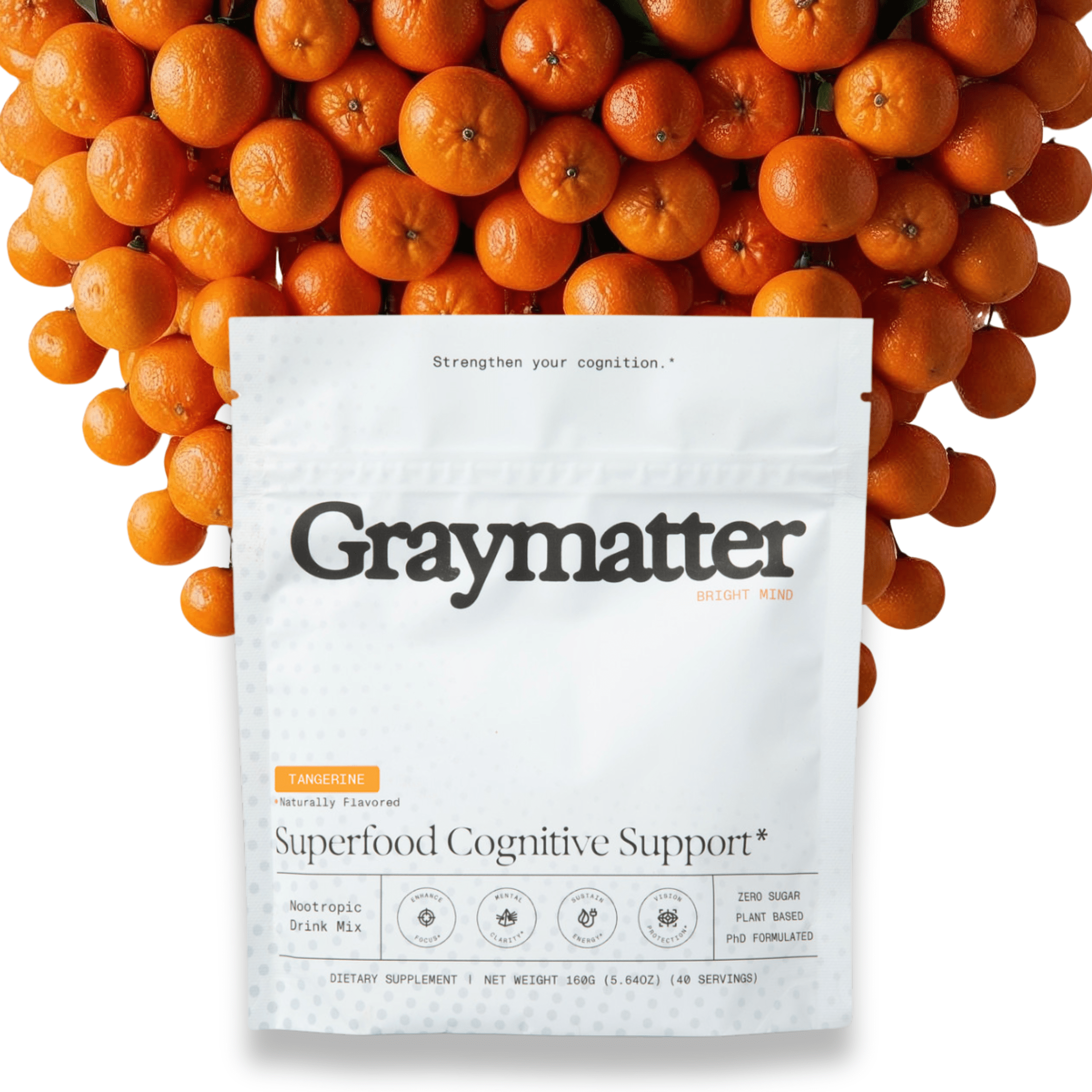
If your goal is steady focus, mental clarity, and long-term cognitive support, a plant-based approach can align more naturally with daily routines. Graymatter Bright Mind is built around that idea, bringing together nootropics, adaptogens, and plant-based energy sources in a formulation designed to support performance without overstimulation.
Compliance note: Graymatter Bright Mind is a dietary supplement that supports focus and cognitive function; not intended to diagnose, treat, or cure any medical condition. Please consult a healthcare provider regarding any treatment plan.
Frequently Asked Questions
What is the difference between natural cognitive enhancers and prescription nootropics?
Natural cognitive enhancers are plant-based supplements available without a prescription. Prescription nootropics are regulated pharmaceutical drugs, typically prescribed for specific conditions like ADHD or narcolepsy.
What are the risks of using prescription nootropics long-term?
Long-term stimulant use may carry risks, including insomnia, elevated heart rate, appetite changes, anxiety, and potential dependency. Medical supervision is essential for safe ongoing use.
Which natural ingredients are most proven to enhance cognitive function?
Alpha GPC, Lion's Mane, Ashwagandha, Rhodiola, and L-Theanine are among the most studied natural compounds. Each supports a different aspect of focus, memory, or stress response.
Can you take natural cognitive supplements alongside prescription medication?
Always consult a healthcare provider before combining supplements with prescription drugs. Some natural compounds may interact with medications, affecting absorption or efficacy.
What makes a good cognitive enhancement supplement?
Look for transparent ingredient lists, effective dosages, third-party testing, and formulation guided with scientific expertise. Avoid products that hide behind proprietary blend labels.
Do cognitive enhancers work immediately?
Prescription stimulants typically act within minutes. Natural cognitive enhancers usually require consistent daily use over one to two weeks before noticeable benefits appear.
Leave a comment