


Rhodiola rosea is one of those herbs that has been quietly doing the work for centuries. Growing in harsh, high-altitude climates across Europe and Asia, the root has been used in traditional Russian and Scandinavian medicine to fight physical and emotional stress.
But rhodiola benefits go well beyond stress support. Research suggests it may also help with mood, focus, memory, energy levels, and physical performance. Here are 10 science-backed reasons this herb continues to attract attention.
How Rhodiola Rosea Works
Rhodiola functions as an adaptogen, a class of herbs that help the body manage physical, chemical, and biological stressors more effectively. The herb works primarily through two mechanisms:
- Cortisol modulation: Rhodiola may help normalize cortisol levels during periods of chronic stress, preventing the hormone from staying elevated for too long
- Nitric oxide support: Rhodiola may enhance the production of nitric oxide, a compound that relaxes blood vessels and supports healthy circulation to the brain and body
Adaptogens must meet three criteria: non-toxic at normal doses, capable of restoring physiological balance, and active through more than one mechanism. Rhodiola meets all three.
10 Rhodiola Rosea Benefits Backed by Research
Rhodiola rosea benefits cover both mental and physical health. Here are ten worth knowing:
1. Helps Manage Stress and Burnout
Chronic stress chips away at energy, motivation, and mental sharpness over time. Rhodiola may help the body bounce back faster and maintain balance during prolonged periods of pressure.
- May reduce emotional exhaustion and fatigue tied to burnout
- Could support a calmer, more focused state during high-demand stretches
2. May Reduce Symptoms of Anxiety
According to the CDC, about 1 in 8 U.S. adults have been diagnosed with feelings of nervousness and anxiety [1]. Rhodiola rosea benefits for female and male users alike may include reduced self-reported anxiety, stress, and confusion within two weeks of regular use.
- May promote a calmer nervous system without sedation
- Could complement other stress-management practices
3. Supports Mood and Emotional Balance
Low mood can make even simple tasks feel overwhelming. Rhodiola appears to influence serotonin and dopamine activity, two neurotransmitters closely tied to motivation and emotional well-being.
Rhodiola rosea benefits for men and women overlap significantly here, as mood regulation pathways are largely the same across sexes.
4. Reduces Mental and Physical Fatigue
That afternoon slump, the one where your brain just stops cooperating, is familiar to most working adults. Rhodiola has long been valued for its energizing effects, potentially helping users maintain alertness and focus throughout demanding days without the jittery stimulation of caffeine.
- May support sustained energy across long work hours
- Could help reduce perceived effort during mentally taxing tasks
5. May Enhance Memory and Cognitive Performance
Rhodiola's neuroprotective properties may help shield brain cells from oxidative damage, a key factor in age-related cognitive decline. Some evidence suggests rhodiola may play a role in supporting memory retention and mental processing speed, particularly under conditions of stress or fatigue.
6. Improves Physical Endurance
For athletes and fitness enthusiasts, rhodiola may offer a natural edge. The herb has been associated with improved oxygen consumption and delayed fatigue during exercise.
- May help users push through longer workouts with less perceived effort
- Could pair well with other plant-based performance ingredients
7. May Help Regulate Blood Sugar
Early animal research indicates that salidroside, the active compound in rhodiola, may help improve insulin sensitivity and protect the insulin-producing beta cells of the pancreas. More human studies are needed, but early results suggest potential metabolic support alongside a balanced diet and exercise routine.
8. Supports Cardiovascular Health
Heart health and brain health are closely connected. Rhodiola's antioxidant activity may help reduce oxidative damage to arterial walls, which can contribute to atherosclerosis over time.
- May support healthy blood pressure levels with consistent use
- Could help protect blood vessels from long-term oxidative stress
9. May Support Liver Health
The liver processes a large volume of toxins daily, and oxidative stress can compromise liver function over time. Salidroside may help protect liver cells from oxidative damage, including damage associated with fatty liver conditions. Human studies are still limited in scope.
10. Supports Hormonal Balance Under Stress
Rhodiola rosea benefits for female users may extend to hormonal balance, particularly during periods of chronic stress when cortisol elevation can disrupt other hormonal pathways. For men, rhodiola's stress-modulating effects may help create a more favorable environment for testosterone production.
Dosage and What to Look For
Most studies use rhodiola extracts standardized to contain at least 3% rosavins and 1% salidroside. Common dosing ranges include:
- General stress support: 200 to 400 mg daily
- Cognitive and nootropic support: 400 to 600 mg daily
- Physical endurance: 200 to 600 mg taken before exercise
Rhodiola is generally well-tolerated. Side effects are rare at recommended doses but may include mild dizziness or dry mouth in some individuals. Taking rhodiola earlier in the day is typically recommended, as evening use may interfere with sleep.
Why Rhodiola Deserves a Place in Your Routine
Rhodiola rosea is one of the most versatile adaptogens available, with benefits spanning stress management, brain fog reduction, mood support, and physical performance. Whether you are managing a demanding work schedule, recovering from burnout, or simply looking to support daily cognitive function, rhodiola offers a well-researched starting point.
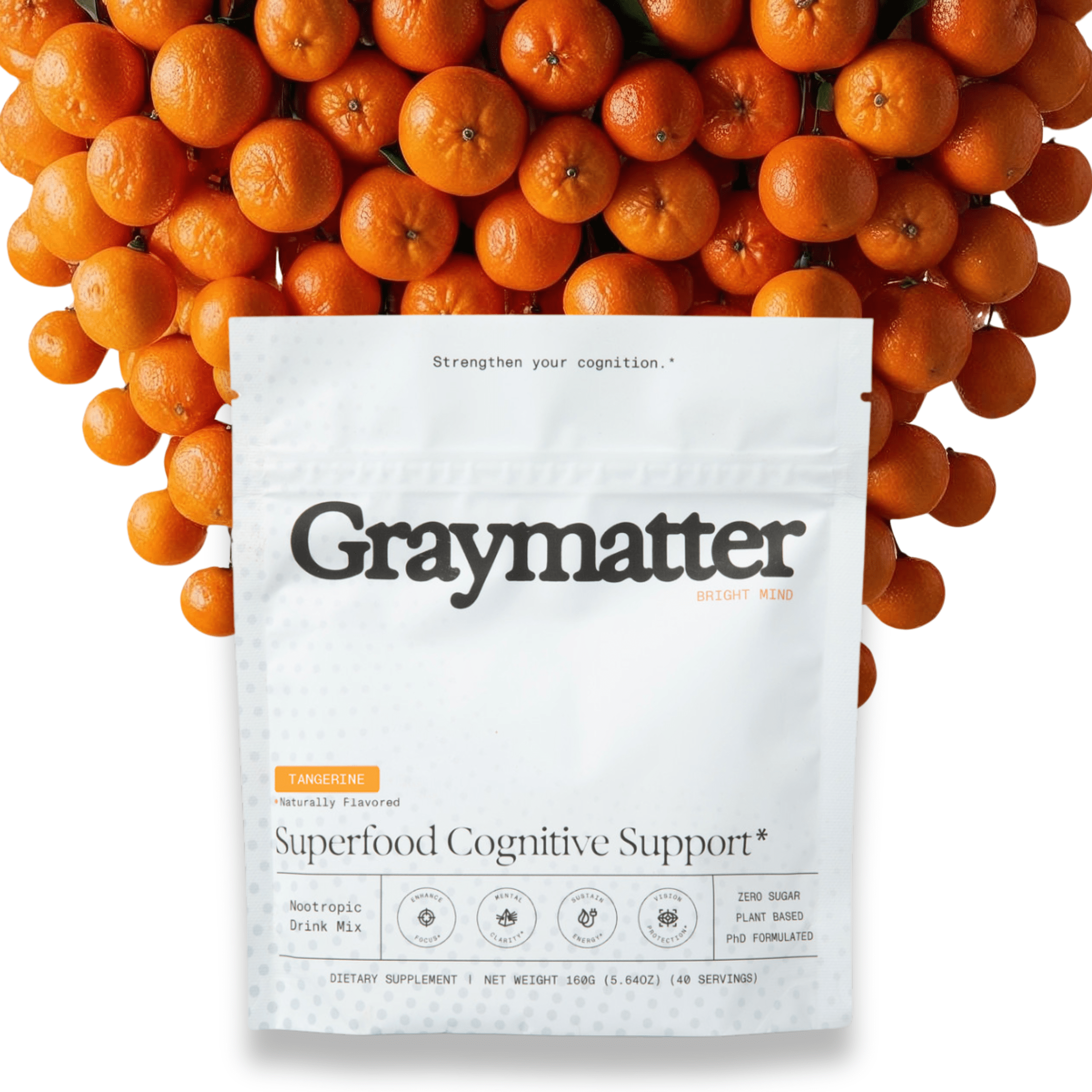
For a comprehensive daily approach, Graymatter Bright Mind includes rhodiola alongside 26 other plant-based ingredients in a single drink mix, formulated to support calm, focused energy without crashes or jitters.
Compliance note: Graymatter Bright Mind is a dietary supplement that supports focus and cognitive function; not intended to diagnose, treat, or cure any medical condition. Please consult a healthcare provider regarding any treatment plan.
FAQs
What does Rhodiola Rosea do to the body?
Rhodiola helps the body adapt to physical and mental stress, primarily through cortisol regulation, neurotransmitter modulation, and antioxidant protection of cells across multiple organ systems.
Is Rhodiola Rosea good for anxiety?
Some evidence suggests rhodiola may help reduce self-reported anxiety, stress, and confusion within 14 days of regular use, though individual results can vary, and professional guidance is recommended.
How long does Rhodiola Rosea take to work?
Some users report noticeable effects within one to two weeks of consistent use. Longer supplementation periods of 8 to 12 weeks may produce more significant and sustained results.
What are the side effects of Rhodiola Rosea?
Side effects are uncommon at standard doses. Some individuals may experience mild dizziness, dry mouth, or restlessness, particularly if rhodiola is taken too close to bedtime.
Is Rhodiola Rosea different for women vs men?
Core rhodiola benefits overlap significantly across sexes. Women may notice added support for stress-related hormonal balance, while men may experience benefits related to physical endurance and energy levels.
Is Rhodiola Rosea safe for daily use?
Rhodiola is generally considered safe for daily use at recommended doses of 200 to 600 mg. Some practitioners suggest cycling on and off every few months, though long-term safety data remains limited.
[1] Centers for Disease Control and Prevention. "Mental Health Conditions and Care." CDC.
Leave a comment