

A nurse misreads a dosage late in a shift. A doctor overlooks something that would have stood out earlier in the day. A paramedic pauses, trying to recall a routine step.
These moments are not about carelessness. They are signs of cognitive fatigue.
In healthcare, mental exhaustion builds quietly. It shows up as slower thinking, missed details, and decisions made on autopilot. And because it does not look dramatic, it is often overlooked until it starts affecting performance in ways that matter.
So what does this look like in practice, and how can you recover before it starts to affect your performance? Let’s break it down.
What Is Cognitive Fatigue for Healthcare Workers?
Cognitive fatigue is a state of mental saturation that occurs after prolonged intellectual effort. As mental capacity gets depleted, core functions begin to decline.
- Attention and focus become harder to sustain
- Working memory and recall weaken
- Decision-making slows down
- Task-switching becomes less efficient
Healthcare intensifies this load through constant multitasking, high-stakes decisions, and uninterrupted information flow, making fatigue both cumulative and harder to detect.
How Does Mental Fatigue Affect Patient Safety?
According to research, risks for accidents and errors increase 28% on night shifts and 15% on evening shifts compared to regular day shifts [1]. Fatigue degrades the very skills that matter most at the bedside: slower reaction times, lapses in attention, reduced ability to switch between tasks, and impaired recall of critical information.
Nurse burnout focus problems compound the issue further. When healthcare workers are emotionally and cognitively depleted, empathy decreases, communication suffers, and the risk of both clinical errors and patient dissatisfaction rises.
What Are the Early Warning Signs?
Cognitive fatigue doesn't arrive all at once. Several subtle signs may indicate that mental reserves are running low.
- In Yourself: Difficulty following logical reasoning, forgetting routine steps or patient names, rereading information without retaining the content, losing the ability to prioritize, and operating on "autopilot" with emotional detachment.
- In Colleagues: Uncharacteristic irritability, visible difficulty concentrating during handoffs, increased documentation errors, withdrawal from team conversations, and a drop in clinical judgment during the back half of a shift.
How a 12-Hour Shift Affects Cognitive Performance?
Working 12-hour shifts or longer is associated with nearly triple the risk of making an error compared to shorter shifts. The cognitive load healthcare workers face doesn't scale linearly. After 8 to 10 hours, the brain's ability to sustain attention, regulate emotions, and make sound clinical judgments drops sharply.
The final hours of a 12-hour shift are where the danger concentrates. Physical energy may hold, but mental clarity erodes. The brain's prefrontal cortex, responsible for planning and decision-making, is especially vulnerable to sustained depletion.
How Can Healthcare Workers Recover From Cognitive Fatigue?
Recovery from cognitive fatigue requires more than physical rest. The brain needs genuine sensory and mental disconnection.
Protect Sleep
Aim for 7 to 9 hours, use blackout curtains and white noise for daytime sleep, and keep a consistent schedule even on days off. Sleep is when the brain clears metabolic waste and consolidates memory.
Use Strategic Nutrition
The gut-brain connection directly affects mood and cognitive function. Leafy greens, fatty fish, nuts, and fermented foods support neurotransmitter production. Reducing processed sugar and excess caffeine can help prevent the energy crashes that worsen brain fog.
Build In Micro-Recovery During Shifts
Even 5 to 10 minutes of controlled breathing, silence, or stepping away from screens can help reset the nervous system mid-shift. Short naps of 20 to 30 minutes before or during a shift may improve alertness and reduce errors.
Move The Body On Days Off
Exercise releases endorphins and supports neuroplasticity. A 20-30 minute walk or workout on recovery days can meaningfully improve focus and emotional resilience for the next shift.
In Summary
Healthcare worker cognitive fatigue is not a personal limitation. It is a natural response to sustained cognitive demand in high-pressure environments. Recognizing cognitive fatigue as a performance and safety factor is key to building better systems and recovery practices that support both providers and the people they care for.
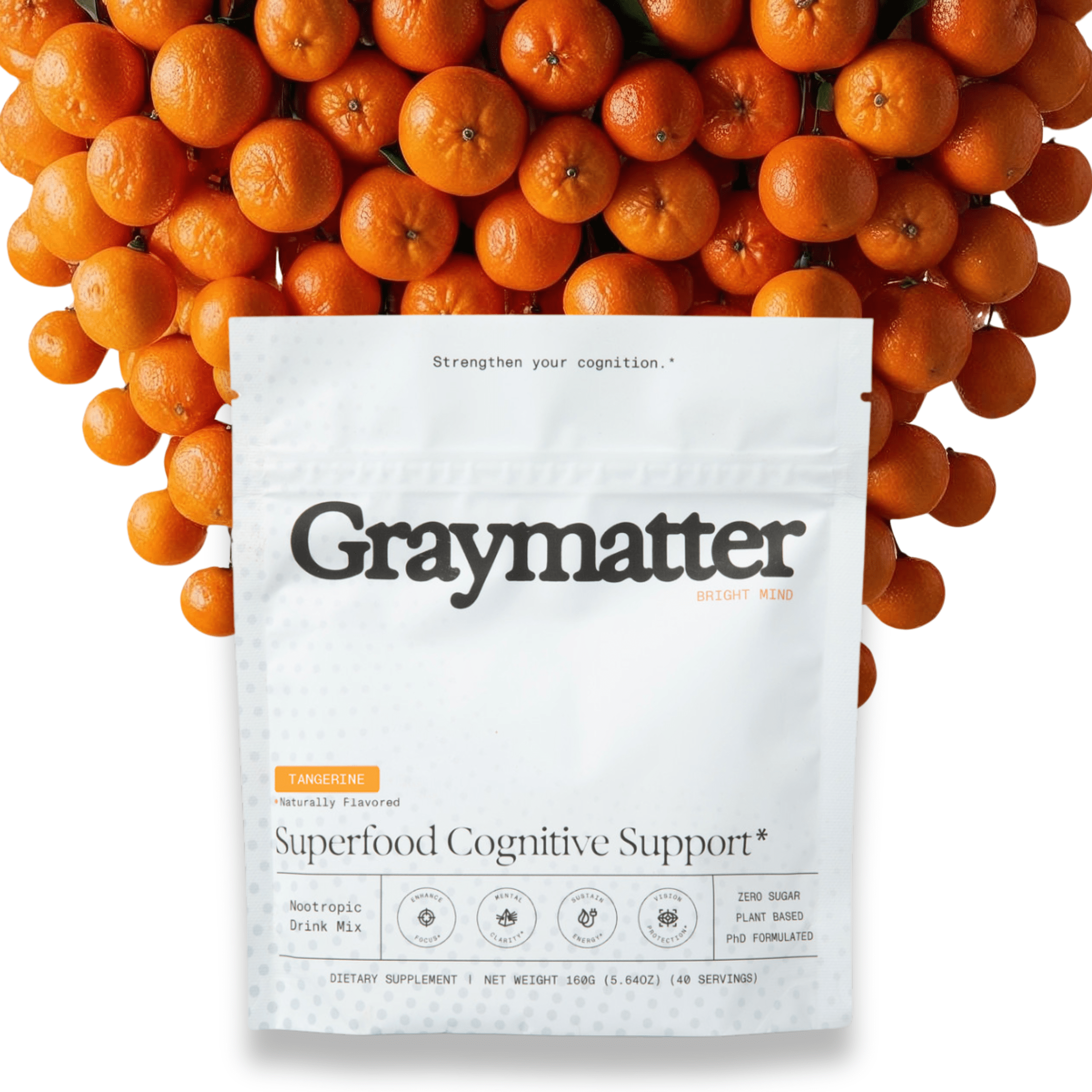
For healthcare professionals looking to support cognitive performance between demanding shifts, Graymatter Bright Mind offers a plant-based blend of 27 active ingredients for calm, sustained alertness. PhD-formulated and free from synthetic stimulants, it fits into the kind of recovery routine that keeps the mind sharp when the stakes are highest.
The people who care for others need support for their own minds, too.
Compliance note: Graymatter Bright Mind is a dietary supplement that supports focus and cognitive function; not intended to diagnose, treat, or cure any medical condition. Please consult a healthcare provider regarding any treatment plan.
Frequently Asked Questions
How does cognitive fatigue in healthcare workers affect patient safety?
Mental fatigue impairs attention, decision-making, and recall, all of which increase the risk of medication errors, missed clinical signs, and communication breakdowns during critical moments of care.
What are the early signs of cognitive fatigue that nurses and first responders should recognize?
Forgetting routine steps, rereading information without retaining the information, difficulty prioritizing tasks, emotional detachment, and operating on autopilot are all early indicators of cognitive depletion.
How does the cognitive load of a 12-hour shift compare to an 8-hour workday?
Research links 12-hour shifts to nearly triple the error risk compared to shorter shifts. After 8 to 10 hours, attention, emotional regulation, and clinical judgment decline sharply.
What supplements or recovery techniques help healthcare workers manage mental fatigue?
Quality sleep, strategic nutrition, micro-recovery breaks, and plant-based cognitive supplements containing adaptogens and nootropics may help support mental clarity and focus between shifts.
Can cognitive fatigue be prevented or only managed?
Complete prevention is difficult in high-demand healthcare settings. However, structured recovery time, proper sleep, nutrition, and cognitive support tools can significantly reduce the severity and impact.
Does caffeine help with cognitive fatigue during long shifts?
Moderate caffeine early in a shift can boost alertness, but reliance on caffeine alone often leads to crashes later. Pairing caffeine with L-Theanine may offer calmer, longer-lasting focus.
Leave a comment