


You eat well, sleep enough, and still feel mentally off. The words won't come. Concentration drifts. Some days, your brain just feels slower than usual.
Before blaming stress or age, consider something most people never check: choline intake.
Choline is an essential nutrient that plays a direct role in memory, mood, and mental clarity. And the vast majority of adults simply don't get enough of the nutrient from food alone. A choline deficiency can quietly affect how you think, how you feel, and how your brain performs day to day.
What Does Choline Do for the Brain?
Choline serves as a building block for acetylcholine, a neurotransmitter involved in memory, learning, and muscle control. Without adequate choline, the brain may struggle to produce enough acetylcholine to support everyday cognitive function.
Beyond neurotransmitter production, choline also supports:
- Cell membrane integrity: Every cell in the body, including brain cells, depends on phospholipids made from choline.
- Fat metabolism in the liver: Low choline levels can lead to fat buildup in liver tissue.
- Methylation processes: Choline contributes to DNA regulation and gene expression through methyl group donation.
In simple terms, choline keeps brain cells healthy, communication between neurons efficient, and cognitive processes running smoothly.
What Are the Symptoms of Choline Deficiency?
Most people with low choline intake won't experience dramatic symptoms right away. The signs tend to be gradual and easy to dismiss as general fatigue or stress.
Common choline deficiency symptoms may include:
|
Symptom |
Why Choline Matters |
|
Poor memory |
Acetylcholine supports memory formation and recall |
|
Brain fog |
Low choline may reduce neurotransmitter availability |
|
Mood swings |
Choline influences pathways involved in mood regulation |
|
Fatigue |
Choline plays a role in cellular energy metabolism |
|
Muscle weakness |
Acetylcholine is the chemical messenger between nerves and muscles |
Because the symptoms overlap with dozens of other conditions, choline deficiency often goes unnoticed and unaddressed.
Can Choline Deficiency Cause Anxiety?
Choline plays a role in the production of acetylcholine, a neurotransmitter involved in communication between brain cells. Because choline supports several processes linked to brain function and mood, inadequate intake may sometimes coincide with feelings of mental strain, low mood, or difficulty managing stress.
That doesn't mean low choline directly causes anxiety. Mental health is influenced by many factors, including sleep, stress, nutrition, and overall lifestyle. However, ensuring adequate choline intake is one way to support overall brain health and cognitive function.
How Common Is Choline Deficiency?
Far more common than most people would expect.
According to the National Institutes of Health (NIH), fewer than 10% of U.S. adults meet the adequate intake for choline [1]. The recommended daily amount is 550 mg for men and 425 mg for women, and average dietary intake falls well short for most age groups.
The gap widens further for specific populations:
- Vegetarians and vegans
- Pregnant and breastfeeding women
- People who rarely eat eggs, fish, or organ meats
Since choline-rich foods are not staples in many diets, low intake can easily go unnoticed.
What Foods Are Highest in Choline?
Getting more choline from food is one of the most straightforward ways to close the gap. Some of the richest dietary sources include:
- Eggs (especially yolks): One large egg provides roughly 125-147 mg of choline.
- Beef liver: A 3 oz. serving delivers over 350 mg, making organ meats the single richest source.
- Salmon and cod: Fatty fish provide choline along with omega-3 fatty acids that also support brain health.
- Chicken and turkey: Poultry offers moderate choline alongside lean protein.
- Soybeans and tofu: Among the best plant-based options for choline.
- Cruciferous vegetables: Broccoli, Brussels sprouts, and cauliflower contribute smaller but meaningful amounts.
- Nuts and legumes: Almonds, peanuts, lentils, and beans round out a choline-supportive diet.
For those who have trouble meeting daily targets through food alone, nootropic supplements containing choline sources like Alpha GPC may help support adequate intake as part of a broader nutritional approach.
How to Know If You're Deficient in Choline
There is no standard blood test routinely ordered for choline levels. However, certain signs and patterns may point toward inadequate intake:
- A diet low in eggs, liver, fish, and soy products
- Persistent mental fatigue and focus issues despite adequate sleep
- Elevated liver enzymes on routine bloodwork (may indicate liver fat accumulation)
- Following a strict vegan or vegetarian diet without supplementation
- Pregnancy or breastfeeding without deliberate choline-rich food choices
A healthcare provider can evaluate symptoms and dietary patterns to determine whether choline supplementation may be worth considering.
Final Takeaway
Choline deficiency is far more widespread than most people realize, and the effects on cognitive performance can be subtle but real. From memory and concentration to mood and mental energy, adequate choline supports the foundation that keeps the brain functioning well.
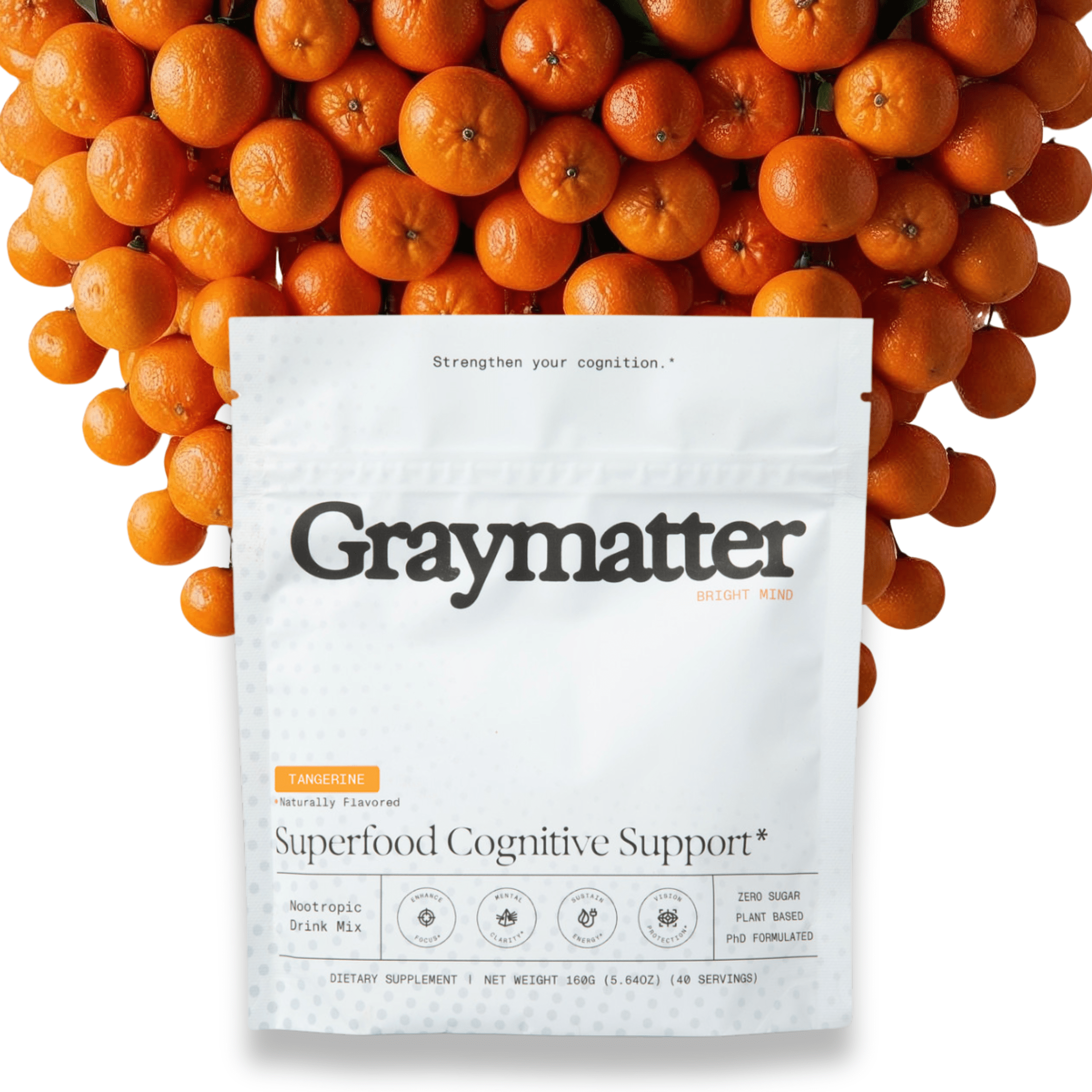
If you're looking for daily nutritional support for your brain, Graymatter Bright Mind is a plant-based drink mix with 27 active ingredients, including Alpha GPC and other nootropics, formulated to support focus, reduce brain fog, and promote calm, sustained energy without a crash.
Compliance note: Graymatter Bright Mind is a dietary supplement that supports focus and cognitive function; not intended to diagnose, treat, or cure any medical condition. Please consult a healthcare provider regarding any treatment plan.
FAQs
What are the symptoms of choline deficiency?
Common signs may include difficulty concentrating, brain fog, memory lapses, fatigue, mood changes, and muscle weakness. Most symptoms develop gradually and are easy to overlook.
Can choline deficiency cause anxiety?
Lower choline levels in the brains of people with anxiety disorders. While a direct causal link has not been established, the association suggests choline may play a supporting role.
What happens if you don't get enough choline?
Inadequate choline intake may affect memory, focus, mood, liver health, and muscle function over time. The brain depends on choline to produce acetylcholine, a key neurotransmitter.
What foods are highest in choline?
Eggs, beef liver, salmon, chicken, soybeans, and cruciferous vegetables like broccoli are among the richest dietary sources. Organ meats and egg yolks provide the highest concentrations.
How do you know if you are deficient in choline?
Persistent brain fog, memory issues, fatigue, and a diet low in eggs, fish, and liver may signal low intake. A healthcare provider can help assess whether supplementation makes sense.
Does choline improve memory and focus?
Choline is a precursor to acetylcholine, the neurotransmitter linked to memory and learning. Adequate intake may help support healthy memory function and sustained mental focus.
Leave a comment